
Pregnancy brings a flood of food advice from everyone. So what foods should you avoid during pregnancy? Which warnings are real and which are myths? The truth is calmer than the noise.
Rather than fearing your plate, learn a few clear rules. Most foods stay perfectly fine to enjoy. Only a short list needs real caution. That list exists to protect you and your baby. A little knowledge goes a long way here.
Here is the honest answer. Avoid raw or undercooked meat, fish, and eggs. Skip unpasteurised dairy and some soft cheeses. Limit caffeine and avoid alcohol completely. Wash fruit and vegetables well before eating. These simple steps lower the main risks.
This guide covers each risky food group in turn. You will learn why each one matters. We share safer swaps and gentle habits. This is not medical advice. See a professional.
So what foods should you avoid during pregnancy?
The honest answer stays short and simple. A few foods carry a higher risk. Most everyday meals remain completely safe.
Think of it like packing for a trip. You do not ditch the whole suitcase. You just leave a few risky items behind. The same idea applies to your plate. Small swaps keep meals safe and enjoyable.
Does this mean eating becomes stressful? Not at all, once you know the list. The risky foods are few and clear. Your doctor or midwife can confirm the details.
Why some foods carry extra risk in pregnancy
Pregnancy changes how your body fights germs. Your immune response shifts during this time. That makes some infections more likely.
Certain foods can carry bacteria or parasites. These bugs may harm a developing baby. Careful cooking and hygiene remove most of the danger. A dietitian can explain the science simply.
The goal is not fear or guilt. It is simple, sensible caution. You lower risk with a few habits. Always check anything that worries you.
Did you know?
Thorough cooking destroys most harmful food bugs. Good kitchen hygiene protects you just as much.
Raw and undercooked meat
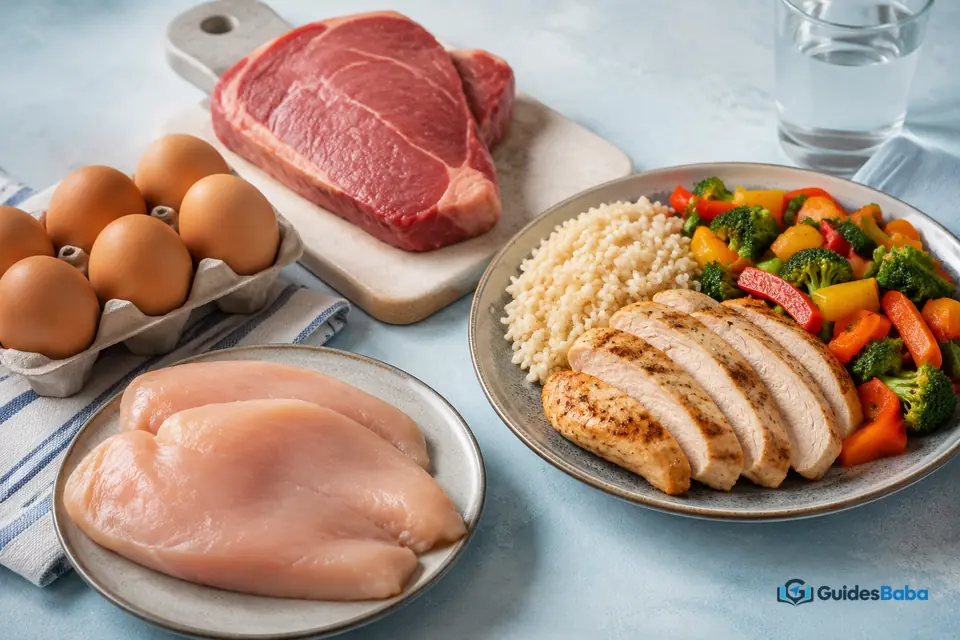
Raw meat can carry harmful bacteria or parasites. Undercooked meat poses a similar risk. Full cooking is your best defence.
Cook meat until it is piping hot throughout. Avoid pink centres in poultry and mince. Rare steak is best left for later. When unsure, ask your doctor or midwife.
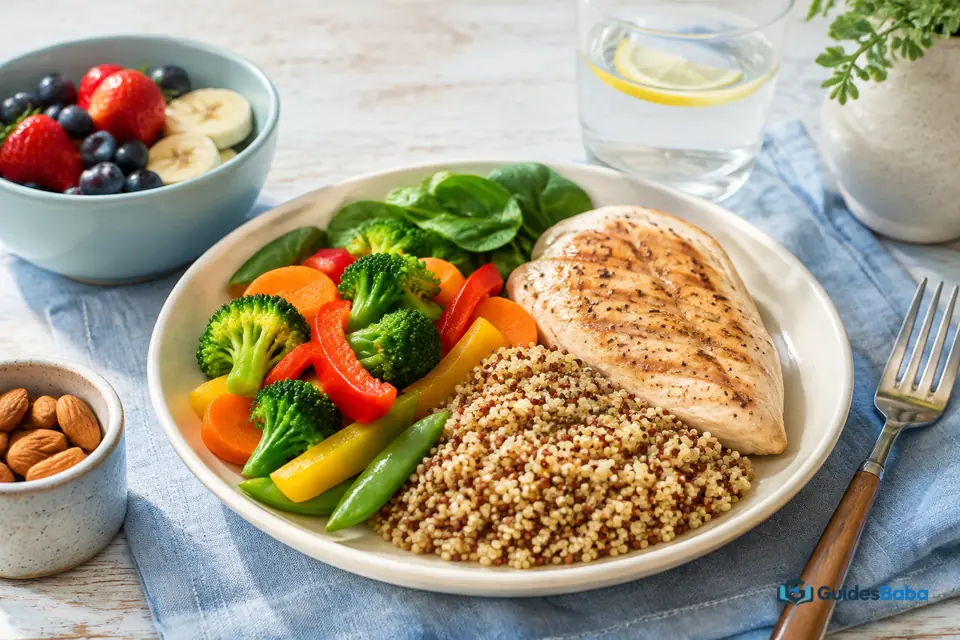
You do not need to give up meat. Well-cooked options remain a great choice. They supply protein and iron your body needs. Read our guide to high-protein foods for ideas. Cooking simply makes them safe.
Certain fish and high-mercury choices
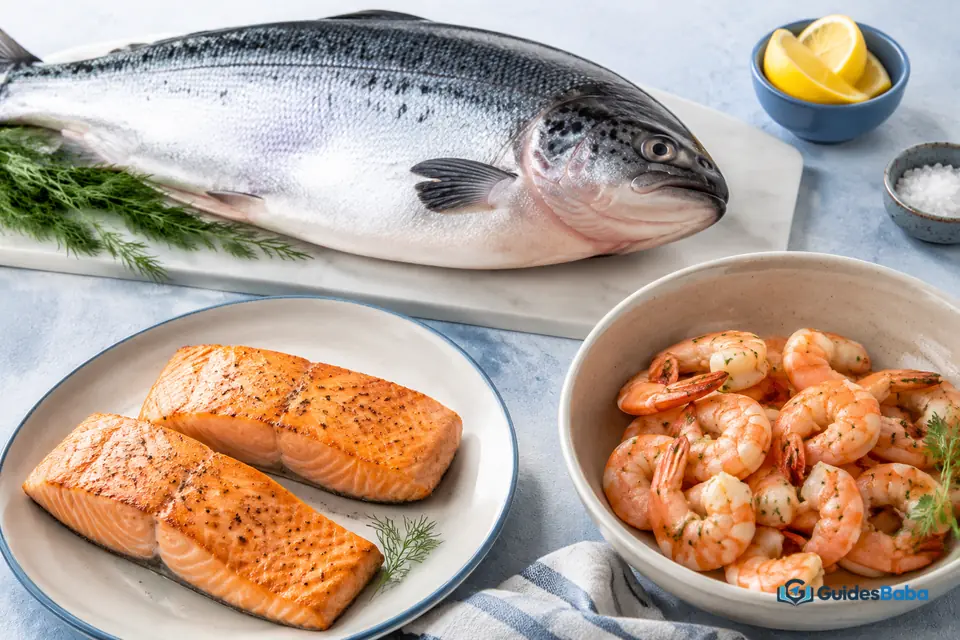
Fish is a healthy part of many diets. Yet some types deserve extra caution. Mercury and freshness are the main concerns.
Limit large fish that can hold more mercury. Avoid raw fish such as sushi or oysters. Cook shellfish thoroughly before eating it. Your midwife can name safer local options.
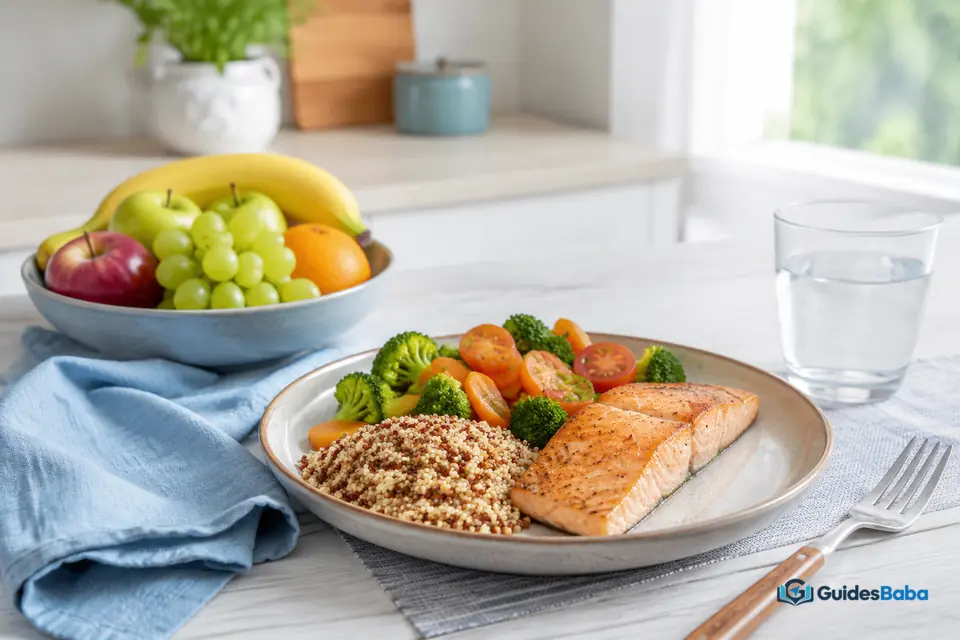
Many fish stay perfectly fine in moderation. Oily fish offers useful healthy fats. Just watch the type and the amount. Balance the benefits against the risks. A professional can guide your choices.
Unpasteurised dairy and soft cheeses
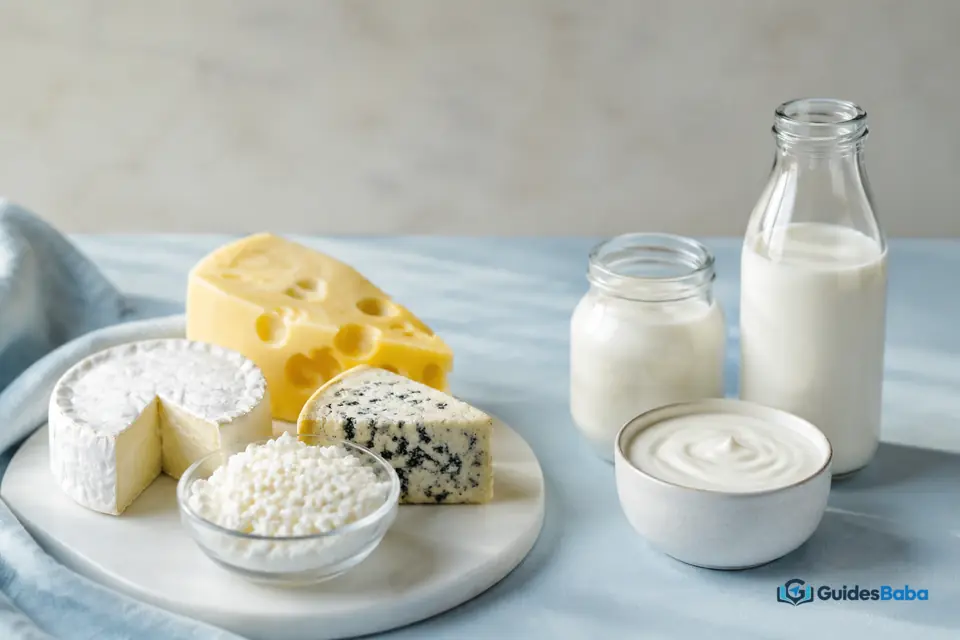
Pasteurisation kills harmful bacteria in milk. Unpasteurised dairy skips that safety step. This raises the risk of infection.
Avoid raw or unpasteurised milk during pregnancy. Skip soft, mould-ripened cheeses with rinds. Some blue cheeses also need avoiding. Hard cheeses are generally much safer. Check labels or ask staff when shopping.
You still get calcium from safe sources. Pasteurised milk and yoghurt work well. Choose safe options with confidence. A dietitian can plan your calcium intake.
Raw or partly cooked eggs
Eggs are nutritious and easy to enjoy. Still, raw eggs can carry bacteria. Cooking them well removes the risk.
Cook eggs until the white and yolk set. Avoid runny yolks unless the eggs are trusted. Some regions have safer, certified eggs. Homemade mayonnaise and mousse may use raw egg. Ask your midwife about local egg standards.
Well-cooked eggs stay a fine choice. They bring protein and useful nutrients. Just keep them fully cooked for now. Check any dish that might hide raw egg. When in doubt, leave it out.

Deli meats and cold cuts
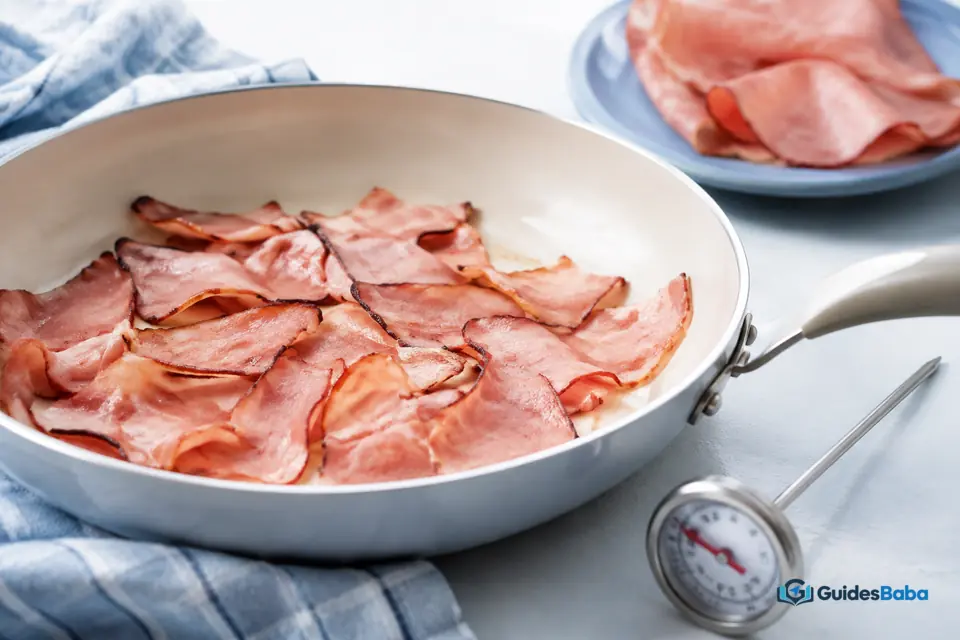
Cold cuts and deli meats can carry bacteria. They sit ready to eat without cooking. That makes them a small concern.
Some guidance suggests heating deli meats until hot. This step lowers the risk further. Pate is often best avoided too. Check the rules for your area. Your midwife can give clear local advice.
You have plenty of safe sandwich fillings. Well-cooked chicken or egg works nicely. Fresh, hot fillings feel reassuring. Simple choices keep lunch worry-free.
Caffeine and how much is sensible
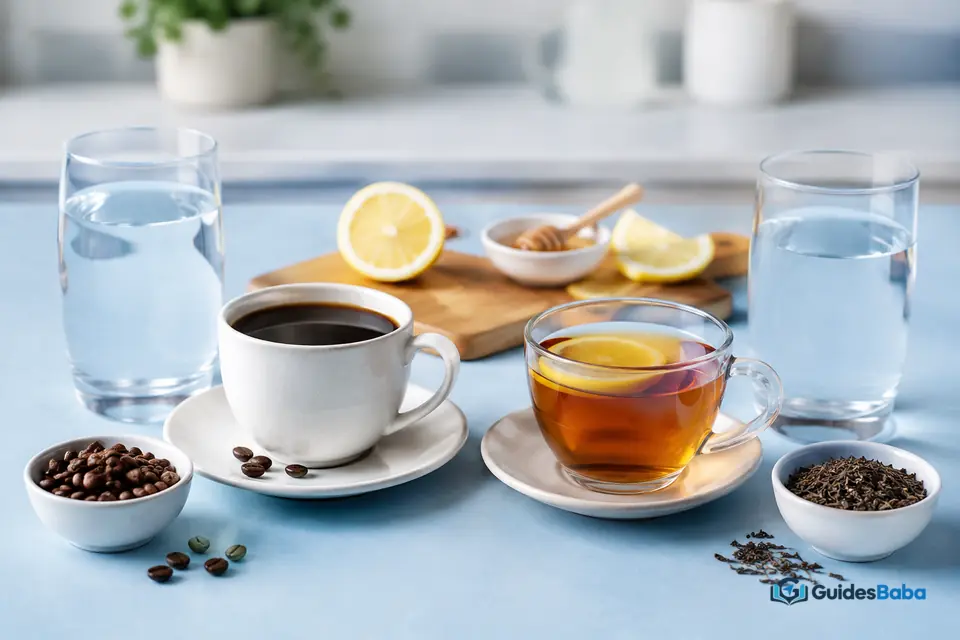
Caffeine appears in coffee, tea, and cola. It also hides in chocolate and energy drinks. Pregnancy calls for a lower intake.
Most guidance suggests keeping caffeine fairly low. Exact limits vary by country and source. Your midwife can share the current advice. Watch hidden caffeine in snacks and drinks. Tracking your total helps you stay sensible.
You need not quit every warm drink. Decaf options let you enjoy a cup. Herbal choices exist, but check them first. Some herbal teas are not recommended. Ask a professional before switching blends.
Alcohol during pregnancy
Alcohol is the clearest food rule of all. Many health bodies advise avoiding it fully. No safe level is confirmed.
Alcohol passes to your baby through the blood. It can affect development in serious ways. Avoiding it removes that worry entirely. This applies through every stage of pregnancy. Your doctor can answer any specific questions.
You can still enjoy festive moments. Alcohol-free drinks fill the gap well. Sparkling water with fruit feels special. Choose options that keep you relaxed.
Unwashed fruit and vegetables
Fruit and vegetables are vital in pregnancy. Yet unwashed produce can carry soil bacteria. A good rinse solves the problem.
Wash all fruit and vegetables under running water. Scrub firm items like potatoes and carrots. Remove any visible soil carefully. Peeling can help with some produce. These small steps keep your greens safe.
You should still eat plenty of plants. They supply fibre, vitamins, and minerals. Our guide to the best vegetables to eat can help. Just wash them well every time. Clean produce supports a healthy pregnancy.
Higher-risk foods versus safer swaps
People often ask for simple swaps. The clear comparison is risky foods versus safer choices. Each row shows an easy switch.
| Higher-risk food | Safer swap |
|---|---|
| Rare or pink meat | Meat cooked piping hot throughout |
| Unpasteurised soft cheese | Pasteurised hard cheese |
| Raw fish or sushi | Well-cooked fish in moderation |
| Alcohol or strong coffee | Water, decaf, or fruit drinks |
Use this table as a friendly starting point. Confirm the details with your own midwife. Local guidance can differ a little. The best plan fits your own situation.
Leftovers and safe food storage
Storage matters as much as the food itself. Old leftovers can grow harmful bacteria. Good habits keep meals safe.
Cool leftovers quickly and chill them promptly. Reheat food until it is piping hot. Do not keep cooked food too long. Our guide on how long leftovers last helps. When unsure, throw it out.
You can enjoy leftovers with a little care. Label them with the date you cooked. Store raw and cooked foods separately. These habits protect the whole family. Safe storage brings real peace of mind.
Kitchen hygiene and food poisoning
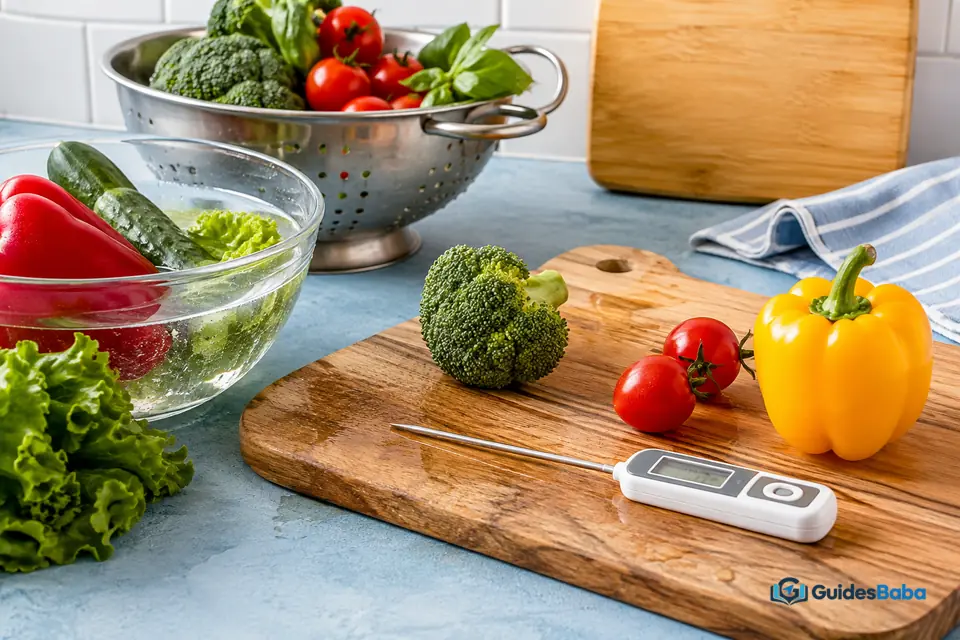
Clean hands and surfaces prevent many problems. Bacteria spread easily in a busy kitchen. Simple hygiene breaks that chain.
Wash your hands before and after cooking. Clean boards and knives between raw and cooked. Keep the fridge cold enough for safety. Small routines keep everyone protected.
You do not need a spotless laboratory. Basic care handles most of the risk. Wash, cook, chill, and separate foods. These four habits do the heavy lifting. Consistency matters more than perfection.
Common mistakes people make
One common mistake is avoiding far too much. Some cut healthy foods out of fear. That can leave nutrition gaps behind.
Another mistake is trusting every online rumour. Advice online can be outdated or wrong. Stick to trusted health sources instead. Your midwife filters fact from myth. Always check surprising claims with a professional.
Some people forget hygiene while watching foods. Storage and cleaning matter just as much. Balance both sides for real safety. Do not focus on one alone. A rounded approach protects you best.
When cravings meet caution
Cravings are a normal part of pregnancy. Sometimes they point to a risky food. A safe swap usually satisfies the urge.
Fancy soft cheese? Choose a pasteurised hard type. Missing sushi? Try a cooked seafood roll instead. Wanting coffee? A decaf cup can help. These swaps honour the craving safely. Your midwife can suggest more ideas.
You do not have to feel deprived. Most cravings have a gentle alternative. Enjoy food while staying sensible. Comfort and caution can live together.
Who needs tailored guidance
General advice suits most pregnancies well. Still, some people need personal care. Certain situations change the picture.
Existing conditions may need special attention. Allergies and past infections matter too. Your doctor understands your full history. Personal advice always beats general rules here. A short appointment can prevent problems.
This is not medical advice. See a professional for your own needs. Use these ideas as a friendly guide. Then adapt them with expert help.
Making safe eating manageable
Safe eating grows from simple daily habits. You do not need constant worry. A few routines carry most of the load.
Keep your avoid list handy and clear. Cook thoroughly and wash produce well. Store food carefully and read labels. Ask questions whenever something feels uncertain. Steady habits make safety feel easy.
Above all, lean on your care team. Your midwife and doctor know you best. They turn general tips into personal plans. Trust their guidance over online noise. Their support keeps you confident.
Frequently asked questions
What foods should you avoid during pregnancy?
Avoid raw meat, raw fish, and unpasteurised dairy. Also skip alcohol and limit caffeine.
Can I eat cheese during pregnancy?
Pasteurised hard cheeses are generally safe. Avoid unpasteurised and mould-ripened soft cheeses.
Is fish safe during pregnancy?
Many cooked fish are fine in moderation. Avoid raw fish and limit high-mercury types.
How much caffeine is okay?
Guidance suggests keeping caffeine fairly low. Ask your midwife for the current limit.
Can I drink any alcohol?
Many health bodies advise avoiding alcohol entirely. No safe level has been confirmed.
Do I need to wash all produce?
Yes, wash fruit and vegetables well. This removes soil bacteria before eating.
Are eggs safe in pregnancy?
Well-cooked eggs are a fine choice. Avoid runny or raw egg dishes.
What about deli meats?
Some guidance suggests heating deli meats first. Check the current advice for your area.
Can I still eat leftovers?
Yes, with care and quick chilling. Reheat until piping hot before eating.
Where can I get personal advice?
Speak with your doctor, midwife, or dietitian. They tailor advice to your needs.
The bottom line
So what foods should you avoid during pregnancy? Skip raw meat, raw fish, and unpasteurised dairy. Avoid alcohol and keep caffeine low. Wash produce and cook food thoroughly. These simple steps lower the main risks.
You do not need to fear your plate. Most meals stay perfectly safe to enjoy. Learn the short avoid list well. Then relax and eat with confidence. Safe habits soon feel natural.
For more background, read this overview of nutrition and pregnancy and its guidance. You can also learn about foodborne illness and prevention. Also see our guide on what to eat during pregnancy. Trusted sources help you feel calm.
This is not medical advice. See a professional for your personal needs. Your doctor, midwife, or dietitian knows you best. Let their guidance shape your choices.