
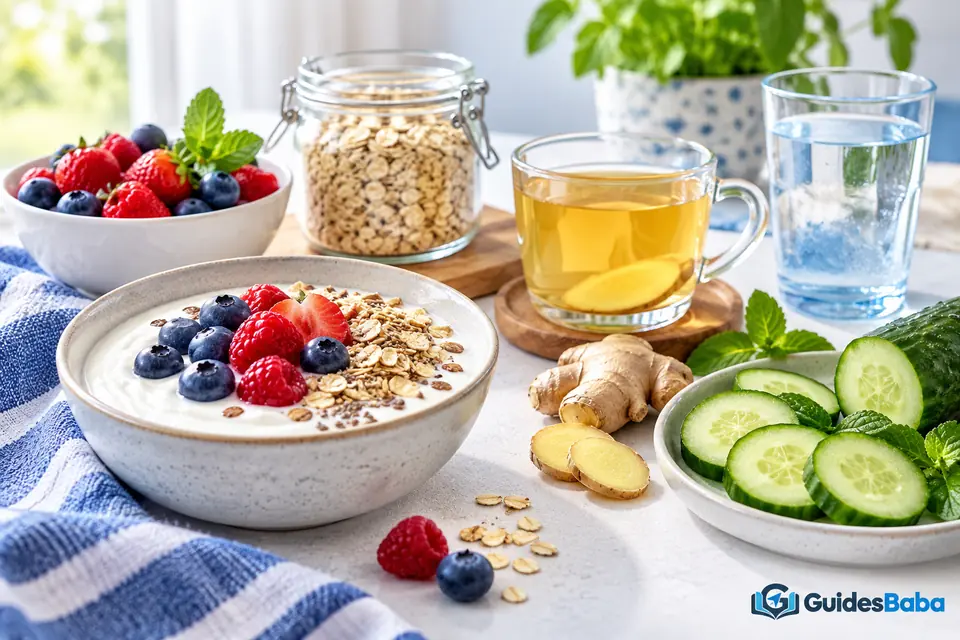
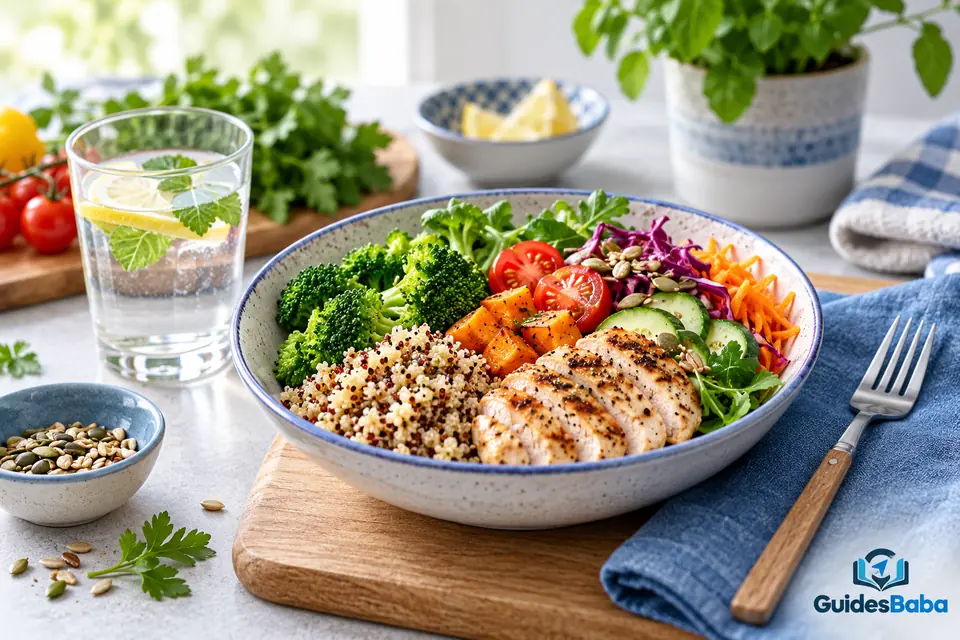
A flatter stomach tops many wish lists. People hope one food holds the key. So what foods flatten your stomach fast? The honest answer separates bloating from real fat.
Rather than hunting a magic food, understand your middle. Sometimes a bloated belly is just trapped gas. Other times it reflects stored fat. The two need very different approaches.
Here is the honest answer. No single food flattens your stomach on its own. Some foods can reduce bloating and help you look leaner fast. Fibre, water-rich foods, and protein all help. Yet real belly fat only shrinks with gradual, whole-body fat loss. There are no magic shortcuts here.
This guide covers foods that fight bloating. You will learn what truly slims the middle. We compare calming and triggering foods. This is not medical advice. See a professional.
So what foods flatten your stomach fast?
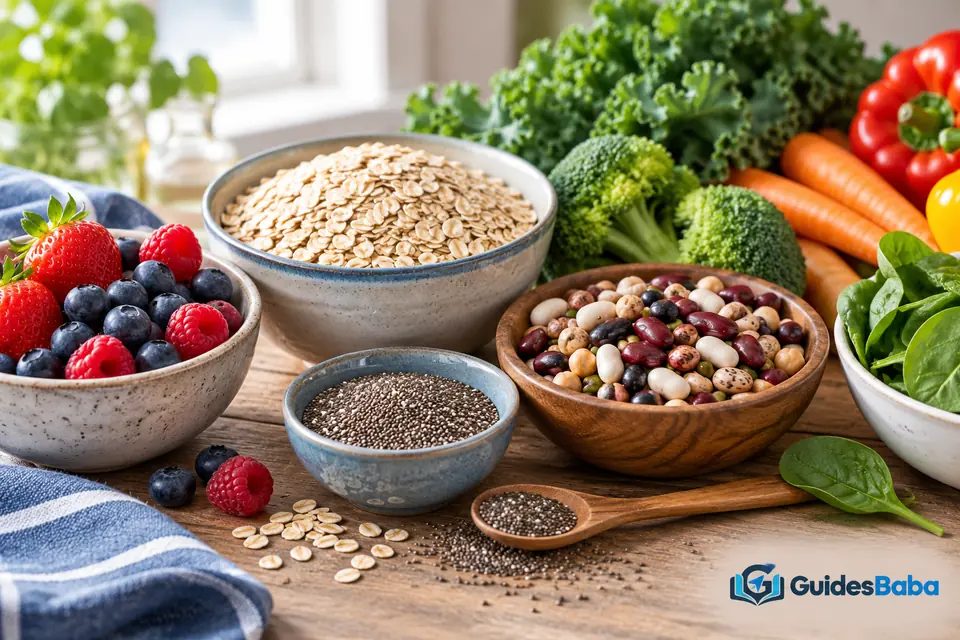
The honest answer names bloat-fighting foods. These can make you look flatter quickly. They calm the gut, not burn fat.
Think of a flat look as two layers. The top layer is bloating and trapped gas. The deeper layer is stored belly fat. Foods can ease the first layer fast. The second layer needs patient fat loss.
Which foods help the fast, visible layer? Water-rich vegetables and fruit are great. Fibre and fluids keep digestion moving. Protein supports a leaner shape over time. Together they help you feel lighter.
Flat stomach versus less bloating

Many people confuse bloating with fat. They are not the same thing. Knowing the difference changes your plan.
Bloating is swelling from gas or fluid. It can appear and fade within hours. Certain foods and habits trigger it. Reduce those and your belly deflates. That is the fast, visible win.
Belly fat sits deeper and stays longer. It does not vanish in a day. Only a steady calorie deficit shrinks it. No single meal can melt it away. Patience is the real tool.
Did you know?
A bloated belly is often gas or water, not fat. It can shrink within hours once bloating settles.
Fibre-rich foods that help digestion
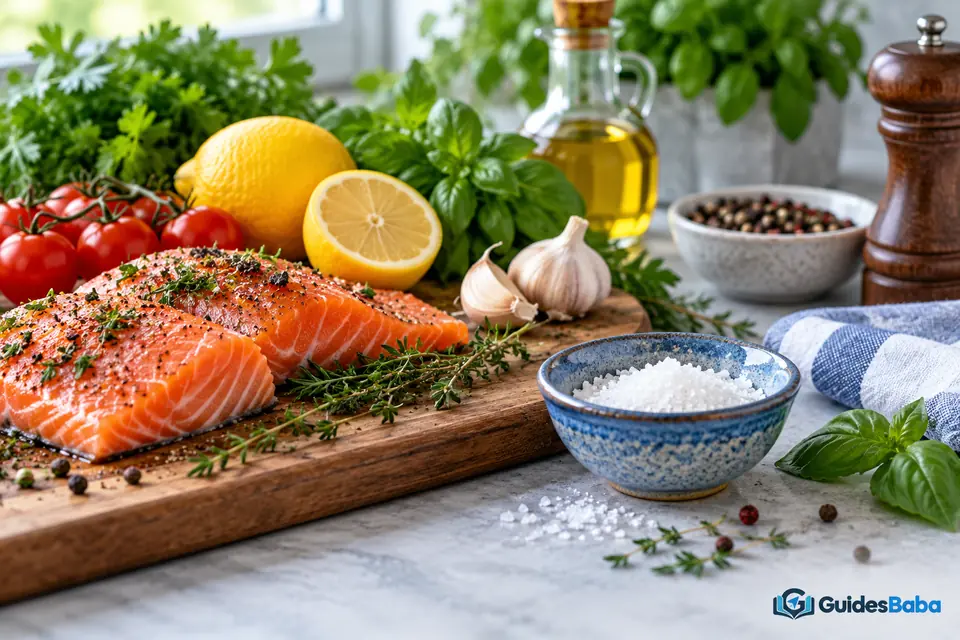
Fibre keeps your digestion moving smoothly. Regular digestion means less trapped gas. That helps your belly feel flatter.
Vegetables, fruit, oats, and beans deliver fibre. Explore the foods that contain the most fibre. Add fibre slowly to avoid extra gas. Drink water alongside it for balance. Your gut adjusts with gentle care.
Fibre also keeps you full for longer. That supports gradual fat loss too. Fullness reduces snacking on refined foods. A high-fibre habit works on both layers.
Water-rich foods and staying hydrated

Hydration quietly fights a puffy belly. Dehydration can make your body hold water. Drinking enough helps release it.
Water-rich foods add fluid and fibre together. Cucumber, melon, and leafy greens qualify. They fill you with few calories. Learn how much water to drink each day. Steady hydration keeps digestion smooth.
Plain water is the smartest default drink. It beats sugary or fizzy options. Fizzy drinks can add gas and bloating. Choose water most of the time. Your stomach will thank you.
Protein for a leaner middle
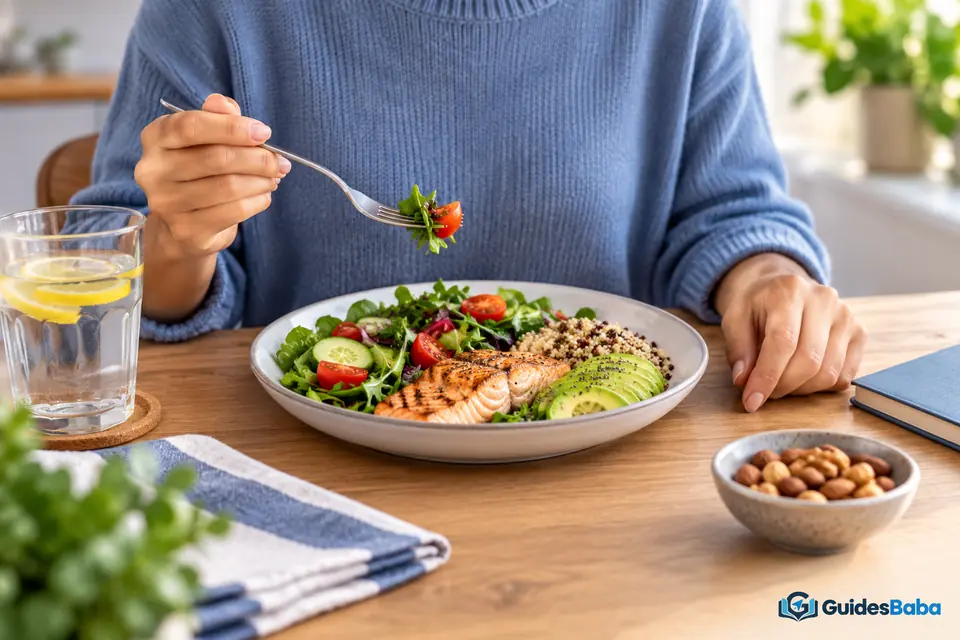
Protein supports a leaner shape over time. It keeps hunger quiet for hours. It also protects your muscle.
Include protein at most meals. Eggs, fish, beans, and yoghurt work well. Choose foods naturally high in protein often. They help you feel satisfied. Fullness makes overeating less likely.
Muscle beneath the fat gives better tone. A protein habit supports that muscle. It helps during gradual fat loss. Protein is a quiet daily ally.
Potassium and reducing water retention
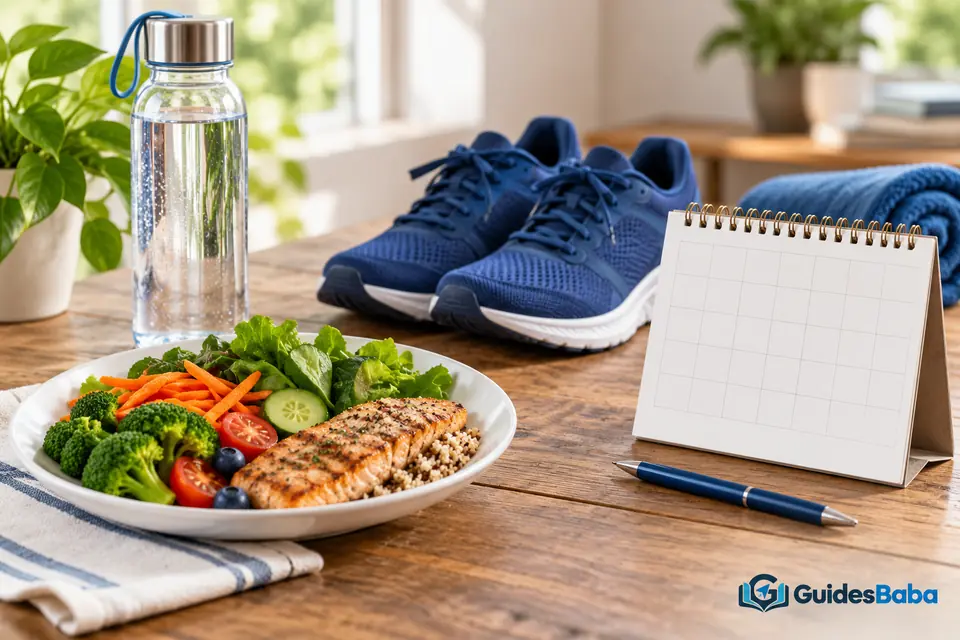
Potassium helps balance fluids in the body. It can counter water retention gently. That may ease a puffy look.
Bananas, potatoes, and leafy greens carry potassium. Beans and tomatoes offer it too. These foods support natural fluid balance. Too much salt does the opposite. A salty meal can trigger bloat.
Balance salt with potassium-rich whole foods. Cut back on very salty snacks. Whole foods handle this balance well.

Why spot reduction is a myth
Many hope a food targets belly fat directly. Sadly, spot reduction is a stubborn myth. No food burns fat from one area.
Your body decides where fat leaves first. Genetics largely control that order. Foods can ease bloating on the surface. They cannot melt deep fat on demand. Overall fat loss is the only path.
So no single food flattens fat fast. Bloat-fighting foods change how you look today. Real fat loss changes your shape over months. Both matter, but they work differently.
Foods that often cause bloating
Some foods puff the belly for many people. Knowing them helps you plan. Reactions vary from person to person.
Very salty foods pull in water. Fizzy drinks add gas directly. Some people react to beans or onions. Others struggle with certain dairy. Notice your own triggers over time.
You need not ban these foods forever. Many are healthy and worth keeping. Just watch portions and timing. A food diary can reveal patterns. Personal awareness beats blanket rules.
Fermented foods and gut comfort
A happy gut often means a flatter feel. Fermented foods can support gut balance. They add helpful bacteria to your diet.
Yoghurt, kefir, and sauerkraut are common choices. Kimchi and miso count too. These foods may ease some digestion issues. Introduce them slowly and gently. Your gut adjusts with time.
Gut comfort is very individual, though. What soothes one person may bother another. Listen to your own body. Keep what genuinely helps you.
Bloat-calming versus bloat-triggering foods
People often compare foods for their belly effect. The clear comparison is calming versus triggering foods. Each group acts very differently.
| Bloat-calming foods | Bloat-triggering foods |
|---|---|
| Water-rich vegetables and fruit | Very salty processed snacks |
| Potassium-rich whole foods | Fizzy, carbonated drinks |
| Plain water and herbal tea | Sugary drinks and juice |
| Fermented foods in moderation | Large, rushed, heavy meals |
The calming column supports a flatter feel. The triggering column often does the opposite. Reactions still differ between people. Use this as a starting guide.
How to eat to feel less bloated
How you eat matters as much as what. Rushed meals invite gas and bloating. Slower habits calm the belly.
Eat slowly and chew your food well. That means swallowing less air. Smaller, regular meals sit easier. Give large meals time to digest. Gentle habits reduce that heavy feeling.
Watch fizzy drinks and chewing gum too. Both can add swallowed air. Plain water is a safer choice. Small changes ease your middle.
The role of overall fat loss
A truly flatter stomach needs fat loss. That comes from a modest calorie deficit. It works across the whole body.
Eat mostly whole, filling foods. Lean on protein, fibre, and vegetables. See the best and worst vegetables to eat for ideas. A gentle deficit shrinks fat over time. Patience turns effort into results.
Do not expect overnight change here. Fat loss is slow and steady. The belly follows the whole body. Steady habits carry you forward.
Movement for a flatter look
Movement supports both bloating and fat loss. A short walk gets digestion going. It can ease that heavy feeling.
Regular activity burns energy over time. That supports a gentle calorie deficit. Add strength work to tone muscle. Strong core muscles improve posture. Better posture alone can look flatter.
You do not need punishing workouts. Consistent, enjoyable movement wins. Walk, stretch, and stay active daily. Small efforts quietly add up.
Sleep, stress and your stomach
Your belly responds to sleep and stress. Both shape digestion and appetite. They deserve real attention.
Poor sleep can raise cravings and stress. Stress may upset digestion and cause bloating. A calm routine supports your gut. Gentle breathing can ease tension. Rest is part of the picture.
Do not overlook these quiet factors. They influence how your middle feels. Small habits here truly help. Care for your mind too.
Everyday habits for a calmer belly
Small daily habits shape how your belly feels. They cost little and add up. Consistency makes them powerful.
Sip water through the day, not all at once. Take a short walk after meals. Season with herbs instead of heavy salt. Keep meals regular and unhurried. These steady habits ease bloating naturally.
Build them slowly, one at a time. A single new habit is easy to keep. Layer the next once it sticks.
Common mistakes people make
One mistake is chasing a single miracle food. No food flattens the stomach alone. Whole habits matter far more.
Another mistake is doing endless crunches only. Core work builds muscle underneath. It cannot burn the fat above. Overall fat loss reveals that muscle. Balance training with better eating.
Some people cut food groups too hard. That often backfires and causes bingeing. A balanced approach lasts longer. Judge progress over weeks, not hours.
Who should get tailored advice
General tips suit most healthy adults. Still, some people need personal guidance. Certain symptoms deserve real attention.
Frequent or painful bloating is worth checking. It can signal a treatable condition. Those with gut disorders need tailored care. Your doctor knows your history best. Personal advice always comes first.
This is not medical advice. See a professional for ongoing symptoms. People with medical conditions should consult a doctor. Persistent problems deserve a proper check.
Building a balanced everyday plate
A good plate supports a flatter belly. Balance controls calories and bloating together. It also keeps meals enjoyable.
Fill half your plate with vegetables. Add lean protein and a whole carb. Include a little healthy fat too. Consider the healthiest food in the world debate for inspiration. Variety keeps meals interesting.
Refined and salty foods can visit sometimes. They simply take a smaller role. Whole foods carry most of the plate. Consistency beats any quick fix.
Frequently asked questions
What foods flatten your stomach fast?
No food does it alone, but some help. Water-rich veg, fibre, and protein reduce bloating and support leanness.
Can a single food burn belly fat?
No, spot reduction of belly fat is a myth. Only overall fat loss reshapes your body.
What is the difference between bloat and fat?
Bloat is gas or water and fades fast. Belly fat sits deeper and needs steady loss.
Does drinking water reduce belly bloat?
Yes, good hydration helps release retained water. It also keeps digestion moving smoothly.
Do fizzy drinks cause bloating?
Fizzy drinks add gas that can bloat you. Plain water is a calmer choice.
Is fibre good or bad for bloating?
Fibre supports digestion and long-term fullness. Add it slowly with water to avoid gas.
Can salty food make my belly puffy?
Yes, salt pulls in water and causes swelling. Potassium-rich whole foods help restore balance.
Do fermented foods help a flat stomach?
They may support gut comfort for some people. Introduce them slowly and keep what helps.
How fast can my stomach look flatter?
Bloating can ease within hours or a day. Real fat loss takes weeks of steady habits.
Should I see a doctor about bloating?
Yes, if bloating is frequent or painful. A professional can rule out any condition.
The bottom line
So what foods flatten your stomach fast? No single food does the whole job. Fibre, water-rich foods, and protein reduce bloating. They can help you look leaner quickly. Yet real belly fat needs gradual fat loss.
Ease bloating with whole foods and water. Watch salt, fizzy drinks, and rushed meals. Remember that spot reduction is a myth. A flatter middle grows from steady habits. Patience and balance carry you the furthest.
For more background, read this overview of bloating and its causes. You can also explore the role of dietary fibre in digestion. Use trusted sources to guide your choices.
This is not medical advice. See a professional for your personal needs. People with medical conditions should consult a doctor. Then build eating habits you can keep.