

Saturated fat hides in plain sight on many plates. It sits quietly in some very tasty foods. So what foods are highest in saturated fat? The usual suspects may surprise you a little.
Rather than fearing every bite of fat, learn where it clusters. Some foods carry a heavy load of it. Others carry almost none at all. Knowing the difference helps you plan smarter meals. These choices shape how foods with healthy fats fit your day.
Here is the honest answer. Butter, fatty meat, and cheese lead the list. Coconut oil, palm oil, and cream add plenty too. Baked goods and fried foods often pack a lot. A little saturated fat is fine for most people. This is not medical advice. See a professional.
This guide covers the richest saturated fat foods in plain language. You will see which items carry the most. We will compare saturated fat with unsaturated fat. Many tips link back to a balanced diet.
So what foods are highest in saturated fat?

The honest answer starts with animal fats. Butter, cream, and fatty meat lead the pack. Full-fat cheese follows very close behind. A few tropical oils join the top tier too.
Think of saturated fat like a heavy coat. A little keeps you warm and comfortable. Too much simply weighs you down. Balance is the goal, not total fear.
Do you need to ban these foods forever? Not at all, and that matters. Most can fit in small amounts. The trouble comes from large, daily helpings. Portion size does most of the heavy lifting.
What saturated fat actually is
Saturated fat is one type of dietary fat. Its structure stays solid at room temperature. That is why butter and lard feel firm.
Animal foods carry most of it. A few plant oils are exceptions here. Coconut and palm oil are the famous ones.
Your body can use saturated fat for energy. The concern is eating far too much. Excess intake links to heart worries. Moderation keeps this fat in a safe lane. Balance matters far more than total fear.
Did you know?
Coconut oil is very high in saturated fat. It beats even butter on a spoon for spoon basis.
Butter, ghee, and cooking fats
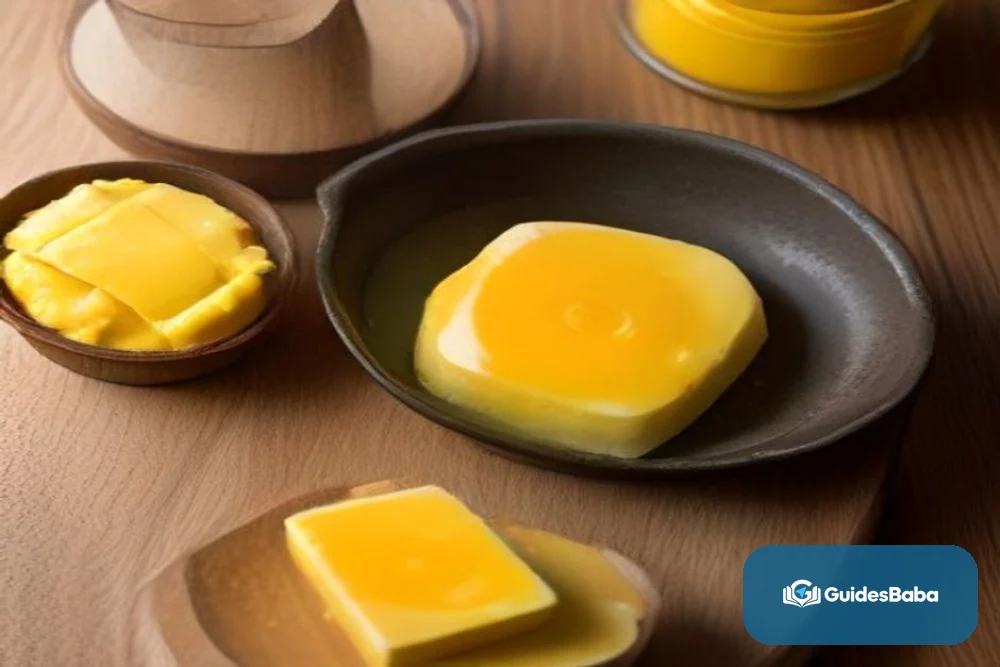
Butter sits near the top of the list. It is roughly two thirds saturated fat. Ghee and clarified butter rank high too.
Lard and beef tallow belong here as well. These solid fats stay firm on the counter. That firmness is a clear visual clue.
Use them in small, thoughtful amounts. A thin spread beats a thick layer. Swap some for olive oil when cooking. A lighter hand keeps meals in balance. Your daily total stays lower this way.
Fatty cuts of red meat
Fatty red meat carries plenty of saturated fat. Marbled steak and lamb chops stand out. Visible white streaks are a simple sign.
Ground beef with high fat ranks up there. So do ribs and untrimmed roasts. Leaner cuts cut the load nicely.
Trim the visible fat before you cook. Choose leaner mince when you can. Enjoy richer cuts as an occasional treat. Smaller portions keep the total in check. Pair meat with plenty of vegetables.
Cheese and full-fat dairy
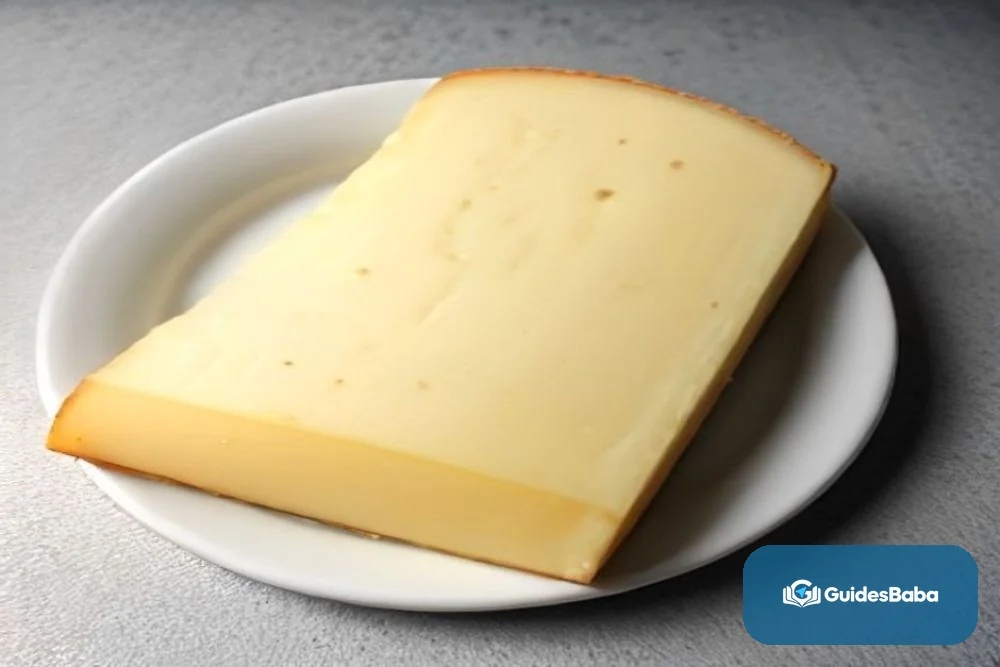
Cheese packs saturated fat into a small bite. Hard cheeses like cheddar rank high. Cream cheese and butter-rich brie join them.
Full-fat milk, cream, and yogurt add more. Ice cream blends dairy fat with sugar. These treats climb the list fast.
Reduced-fat versions ease the load a little. A sprinkle of strong cheese adds big flavor. You need less when the taste is bold. Enjoy dairy, but mind the daily amount.
Coconut and palm oils
Tropical oils break the plant fat rule. Coconut oil is very high in saturated fat. Palm oil sits close behind it.
Both appear in many packaged foods. Check labels on biscuits and spreads. These oils hide in surprising places.
Coconut oil is fine in small amounts. It is not a health miracle, though. Treat it like any other rich fat. Variety across oils serves you better. Rotate oils to keep flavors interesting.

Processed and cured meats

Processed meats often carry high saturated fat. Sausages, bacon, and salami are prime examples. They also bring extra salt along.
Hot dogs and pate belong in this group. Their fat content can be very high. Read the label before you buy.
Keep these as occasional foods, not staples. Choose leaner deli options when you can. Balance them with plenty of vegetables. A smaller serving still delivers the flavor. Save cured meats for the weekend.
Baked goods and pastries
Pastries hide saturated fat inside layers of butter. Croissants and pie crusts are rich examples. Cakes and cookies join them too.
Many packaged treats use palm oil. That pushes their saturated fat higher. The label tells the real story.
Homemade versions let you control the fat. Use less butter or a lighter oil. Enjoy a small slice, not the whole tray. Save these for special days, not daily. A little planning keeps treats in check.
Chocolate and creamy desserts

Chocolate carries saturated fat from cocoa butter. Milk chocolate adds dairy fat on top. Rich bars can climb quite high.
Creamy desserts stack the fat even more. Cheesecake, mousse, and truffles are examples. Small portions here go a long way.
Dark chocolate in small squares is a nicer choice. Savor the flavor slowly and mindfully. A little satisfies more than you expect. Quality often beats quantity with sweets. One or two squares is plenty.
Fried and fast foods
Fried foods soak up plenty of fat. Deep-fried items often use rich oils. That drives their saturated fat upward.
Fast food burgers pair meat with cheese. Fries and coatings add still more. The totals rise very quickly here.
Cooking at home puts you in control. Bake or air-fry instead of deep frying. Choose lighter oils for everyday meals. Small changes cut the load a lot. Drain fried foods on paper towels.
Saturated fat versus unsaturated fat
People often ask which fat is better. The honest comparison sits between two families. Each type behaves in a different way.
| Saturated fat | Unsaturated fat |
|---|---|
| Solid at room temperature | Usually liquid at room temperature |
| Mostly from animal foods | Mostly from plants and fish |
| Best kept modest daily | Can form the larger share |
| Butter, cheese, fatty meat | Olive oil, nuts, salmon |
Unsaturated fat should form the bigger share. Saturated fat works better in small amounts. Neither type is truly evil, though. Balance across both keeps meals sensible.
How much saturated fat is too much
Most guidelines suggest keeping saturated fat modest. It should stay a small part of intake. The exact number varies by person.
Health bodies favor lower amounts over high ones. Swapping some for plant fats helps. See these nutritional guidelines for context.
You do not need to count every gram. A general sense of balance works well. Watch the big, obvious sources first. Steady habits beat strict daily math. Focus on your everyday plate instead.
Simple swaps that lower saturated fat

Small swaps trim saturated fat with ease. Use olive oil in place of butter. Choose lean mince over fatty mince.
Pick skinless poultry instead of fatty cuts. Try low-fat dairy on ordinary days. Add beans in place of some meat.
Snack on nuts rather than fried chips. Grill or bake instead of deep frying. These swaps add up over a week. None of them ask for much effort. Pick one swap and start today.
Reading labels for saturated fat
Labels reveal the true saturated fat load. Look for the saturated fat line first. Compare it across similar products.
Check the serving size very carefully. A small serving can hide a high total. Bigger portions push the number up.
Watch for palm and coconut oil in lists. They signal higher saturated fat inside. Let the real numbers guide your basket. Front-of-box claims can mislead you.
Plant fats versus animal fats
Most saturated fat comes from animal foods. Meat, butter, and cheese carry the bulk. Tropical oils are the main plant exception.
Plant oils usually favor unsaturated fat instead. Olive, canola, and sunflower are examples. Nuts and seeds follow the same pattern. These support your essential nutrients too.
Leaning on plant fats lowers saturated intake. It also brings fiber and vitamins along. That is a simple, useful shift. Small daily swaps make it stick. Your meals gain flavor and variety too.
Common myths about saturated fat
One myth says all fat is bad. That is far too simple to trust. Unsaturated fats are genuinely helpful.
Another myth calls coconut oil a superfood. It is still very high in saturated fat. Treat it like other rich fats.
Some believe butter is harmless in any amount. Large daily helpings still add up fast. Context and portion size always matter. Balance beats bold claims every time. Read past the catchy headlines carefully.
Common mistakes people make
One common mistake is ignoring hidden fats. Baked goods and sauces sneak them in. The label often tells the truth.
Another mistake is cutting fat too hard. Your body still needs healthy fats. Balance beats extreme restriction here.
Some people swap fat for lots of sugar. That trade rarely helps your health. Aim for whole foods instead. A gentle, steady approach works best. Whole meals beat quick fixes here.
Who might need tailored advice
General food lists suit many healthy adults. Still, some people have special needs. Certain heart conditions change the picture.
Some must lower saturated fat for medical reasons. Family history can shift the advice too. Your doctor knows your situation best.
This is not medical advice. See a professional for your personal needs. Use these food ideas as a friendly guide. Adjust them to fit your own body. A short chat can prevent bigger problems.
Frequently asked questions
Which food has the most saturated fat?
Coconut oil and butter rank near the top. Fatty meat and cheese follow close behind.
Is saturated fat always bad for you?
No, small amounts fit most healthy diets. Problems come from large, daily helpings.
Does coconut oil count as healthy fat?
It is very high in saturated fat. Treat it like butter, not a superfood.
Are eggs high in saturated fat?
Eggs carry some, but not a huge amount. They fit fine in a balanced diet.
Is cheese too high in saturated fat?
Cheese is fairly rich in saturated fat. Enjoy it in small, flavorful portions.
Can I eat butter every day?
A thin spread is fine for most people. Keep the daily amount fairly small.
Which meats are lowest in saturated fat?
Skinless poultry and fish tend to be lower. Lean cuts also cut the load.
Do plant foods contain saturated fat?
Mostly no, with tropical oils as exceptions. Coconut and palm oil are the main ones.
How much saturated fat is safe daily?
Guidelines favor keeping it fairly modest. The exact amount varies by person.
Does cooking method change saturated fat?
Frying in rich fat can add more. Grilling and baking keep it lower.
The bottom line
So what foods are highest in saturated fat? Butter, fatty meat, and cheese lead. Coconut oil, palm oil, and cream add more. Baked and fried foods often carry plenty. Small portions keep them in balance.
Saturated fat is not a villain to fear. Enjoy rich foods in modest amounts. Lean on plant fats most days. Small daily habits truly add up over time.
For more background, see this overview of saturated fat. You can also read about butter, a classic rich source. Use trusted sources to guide your plate.
This is not medical advice. See a professional for your personal needs. Trim one rich source today. Then build slowly from there. Your heart will thank you.