
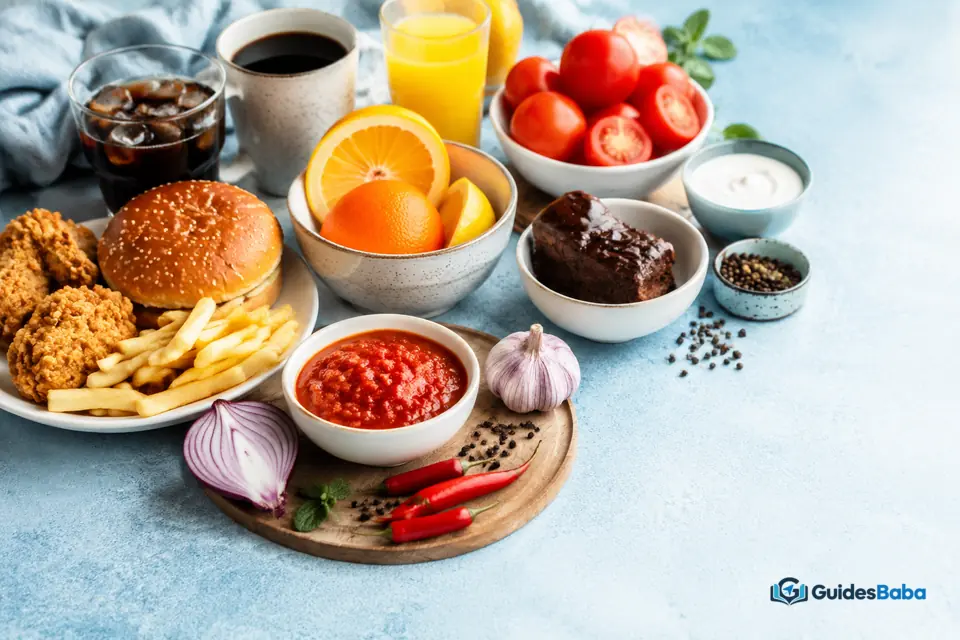
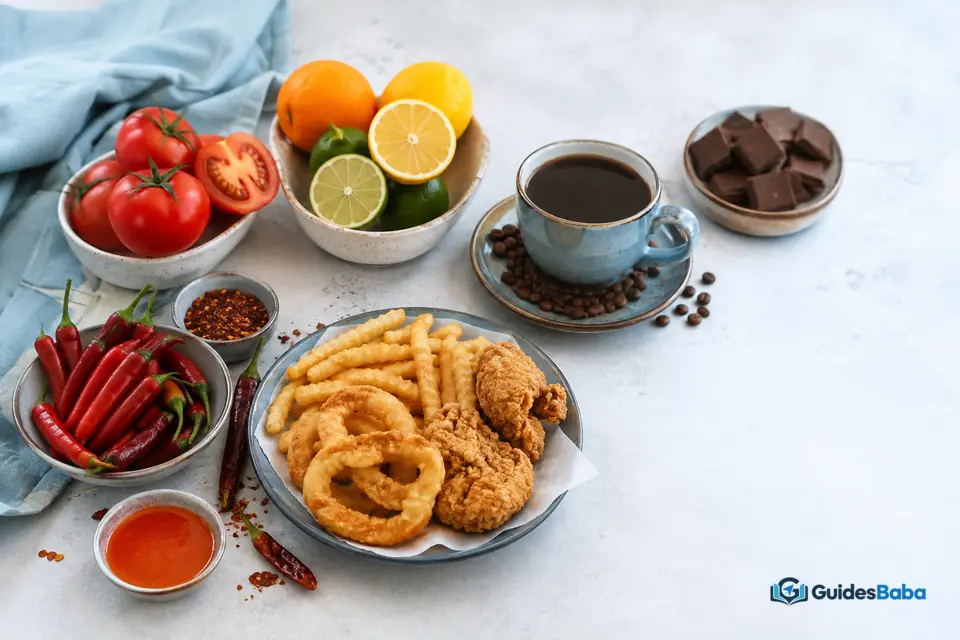
That burning feeling after dinner is familiar. So what foods can make acid reflux worse? Could your favourite meal be the culprit? Your plate often holds the answer.
Rather than blaming bad luck, look at patterns. Certain foods relax or irritate the gut. Others simply sit heavy for too long. Reactions differ from person to person. Noticing your own triggers helps most.
Here is the honest answer. Fatty, fried, and spicy foods often worsen reflux. Citrus, tomato, chocolate, and mint can too. Coffee, fizzy drinks, and alcohol add to it. Large late meals make things harder. Personal triggers vary a great deal.
This guide covers common trigger foods step by step. You will learn why they cause trouble. We compare trigger foods with gentler ones. This is not medical advice. See a professional.
So which foods make acid reflux worse?
The honest answer involves several usual suspects. Some foods relax the valve above the stomach. Others irritate an already sensitive gut.
Think of that valve as a gate. When it loosens, acid can rise up. Certain foods weaken the gate briefly. Others simply add extra acid. Together they invite that burning feeling.
Is there one food to always blame? Rarely, since triggers differ widely. Your worst food may not bother others. Tracking your own meals reveals patterns. Personal awareness beats general lists. Your own diary tells the real story.
What acid reflux actually is
Acid reflux is stomach acid rising upward. It moves into the food pipe. That can cause a burning feeling.
A muscle usually keeps acid in place. When it relaxes, acid escapes upward. Certain foods encourage that relaxing. Others increase acid or pressure. The result is the familiar heartburn.
You cannot change your anatomy easily. Still, food choices influence symptoms greatly. Small changes often ease discomfort. Give any change some fair time. Patience helps you find what works. Gentle changes often ease the burn.
Did you know?
Reflux triggers differ from person to person. A food that bothers one person may not bother another.
Why certain foods trigger reflux
Foods trigger reflux through a few routes. Some relax the valve above the stomach. Others raise acid or slow digestion.
Fatty meals take longer to leave the stomach. High-fat food can loosen the valve. Spicy food may irritate a sensitive lining. Acidic food adds to the acid load. Each route can spark symptoms.
You can watch how meals affect you. Note timing, size, and ingredients together. Patterns usually appear within weeks. A simple food diary helps greatly. Knowledge guides gentler choices. A short diary reveals clear patterns.
Fatty and fried foods
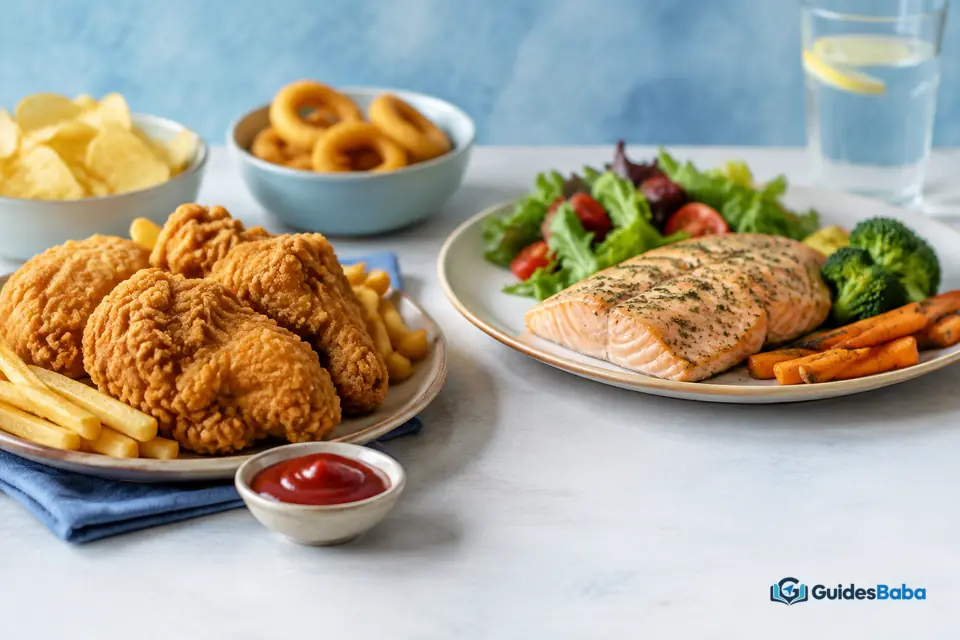
Fatty and fried foods top many lists. They sit heavy and digest slowly. That delay can worsen reflux.
Fried snacks and rich sauces are common triggers. Fatty cuts of meat can add pressure. Creamy dishes may sit heavily too. Choosing foods with healthy fats in moderation helps. Balance keeps meals easier.
You need not fear all fat. Lighter cooking often feels far gentler. Grill or bake instead of frying. Smaller fatty portions reduce the load. Moderation is the key idea. Lighter meals sit far more easily.
Spicy foods and heat
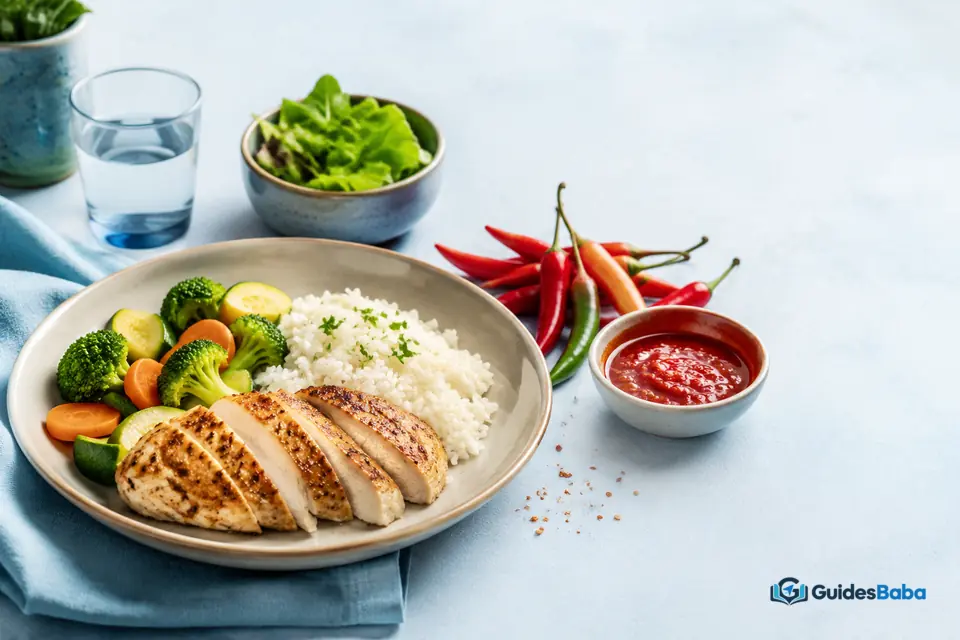
Spicy foods bother many reflux sufferers. Heat can irritate a sensitive gut. Reactions vary quite widely though.
Chilli, hot sauce, and pepper are common culprits. Very spicy curries can spark symptoms. Some people tolerate mild spice well. Others react to even small amounts. Personal limits truly matter here.
You can test your own tolerance slowly. Start mild and build up gently. Pair spice with calming, plain foods. Stop if symptoms clearly appear. Listening to your body guides you. Your own limit is worth respecting.
Citrus and tomato foods
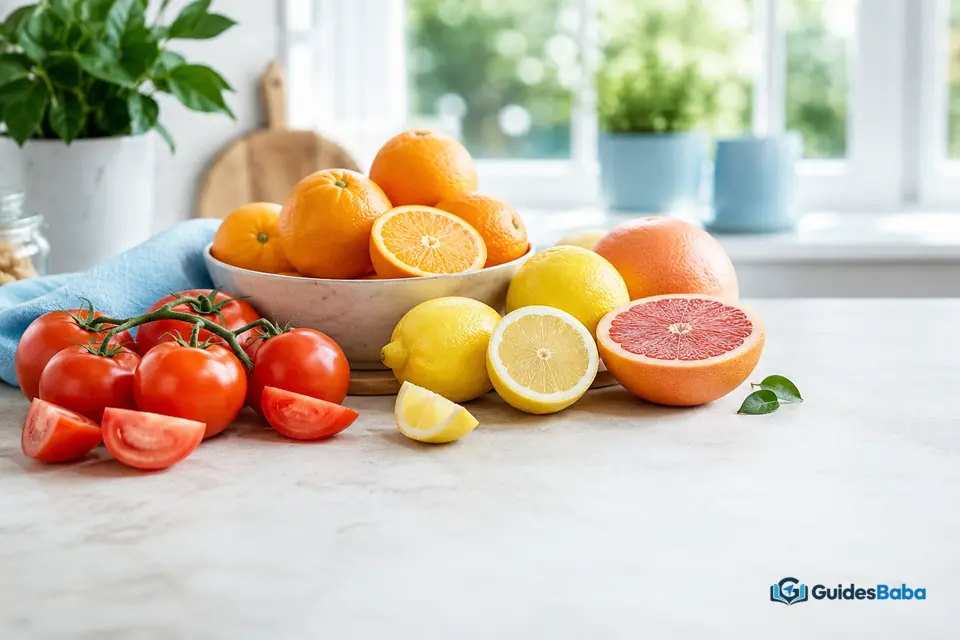
Acidic foods can worsen reflux for some. Citrus and tomato are classic examples. Their natural acid adds to symptoms.
Oranges, lemons, and grapefruit are quite acidic. Tomato sauce appears in many dishes. Pizza and pasta sauces can trigger reflux. Citrus juices may sting a sensitive gut. Portion and timing both matter.
You do not have to ban them. Smaller servings may feel fine. Pair acidic foods with gentler ones. Notice which specific foods bother you. Balance keeps your meals varied. Smaller portions often feel much kinder.

Chocolate and mint
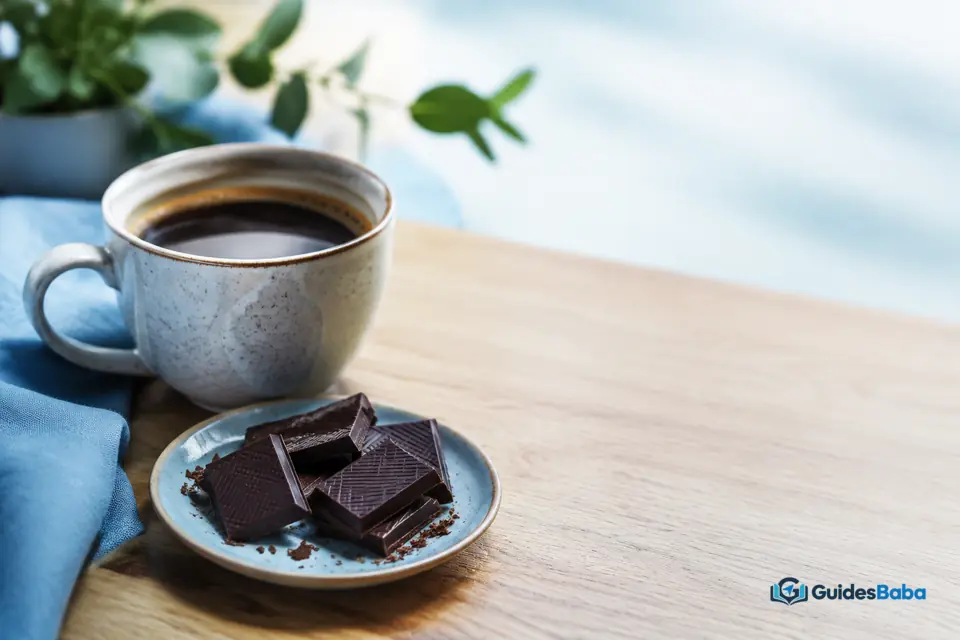
Chocolate surprises many reflux sufferers. It can relax the valve above the stomach. Mint sometimes does the same.
Chocolate combines fat, caffeine, and other compounds. That mix can loosen the valve. Peppermint feels soothing but may worsen reflux. Minty teas can affect some people. Reactions vary from person to person.
You can watch how these affect you. Try smaller amounts and note results. Swap after-dinner mints for something plain. Keep chocolate portions modest and occasional. Personal testing reveals your limits. Modest amounts suit many people better.
Coffee and caffeine
Coffee is a common reflux trigger. Caffeine can relax the lower valve. It may also raise stomach acid.
Strong coffee affects many people quickly. Tea and energy drinks add caffeine too. Timing matters as much as amount. Late coffee can disturb evening comfort. Watch both quantity and hour.
You can try cutting back gently. Smaller cups may feel far better. Switch to lower-caffeine options if needed. Notice how mornings and evenings differ. Small changes can bring relief. Timing your coffee earlier can help.
Fizzy and carbonated drinks

Carbonated drinks can worsen reflux symptoms. The bubbles add pressure inside the stomach. That pressure can push acid upward.
Fizzy soft drinks are frequent offenders. Sparkling water affects some people too. Sugary versions add another problem. The gas can trigger uncomfortable burping. Pressure and acid combine badly.
You can choose still drinks instead. Water remains a gentle, reliable choice. Sip slowly rather than gulping fast. Learning how much water to drink each day helps. Steady hydration supports digestion. Still water usually sits more calmly.
Alcohol and reflux
Alcohol can aggravate reflux in several ways. It may relax the valve above the stomach. It can also irritate the lining.
Wine and spirits affect many people. Late drinks near bedtime feel worse. Mixing alcohol with rich food compounds it. Some drinks bother certain people more. Personal patterns are worth noting.
You can moderate both amount and timing. Smaller servings often feel gentler. Avoid drinking right before lying down. Pair any drink with food and water. Moderation eases the burden. Earlier drinks feel gentler than late ones.
Trigger foods versus gentle foods
Meals fall into two broad groups. The comparison is trigger foods versus gentle foods. Knowing both shapes better choices.
| Common trigger foods | Often gentler foods |
|---|---|
| Fried and fatty dishes. | Lean grilled or baked meals. |
| Very spicy and acidic foods. | Mild vegetables and whole grains. |
| Coffee, fizzy drinks, alcohol. | Water and non-citrus fluids. |
| Large, late-night meals. | Smaller, earlier portions. |
You can lean toward the gentler side. Treat trigger foods as occasional, not daily. Watch which specific items bother you. A balanced diet still leaves room for variety. Gentle choices keep every day comfortable.
Large and late meals

Meal size and timing matter greatly. Big meals stretch the stomach uncomfortably. Late meals meet lying down badly.
A full stomach adds upward pressure. Lying down soon after invites reflux. Heavy dinners often disturb sleep. Rich late snacks make it worse. Timing shapes overnight comfort.
You can eat smaller, earlier meals. Leave a gap before lying down. Spread food across the day evenly. Keep evening portions light and simple. Good timing eases night symptoms. An earlier dinner protects your sleep.
Foods that may feel gentler
Some foods tend to sit more comfortably. They suit many reflux sufferers well. Choices still vary by person.
Lean proteins and mild vegetables feel gentle. Oats and wholegrains digest steadily. Non-citrus fruit like banana suits many. Many of the best vegetables to eat fit here. Simple cooking keeps them kind.
You can build meals around these. Keep flavours mild and portions modest. Add richer foods slowly and carefully. Notice which gentle foods you enjoy. Comfort and variety can coexist. Mild meals still taste satisfying.
Common mistakes people make
One common mistake is eating huge meals. A stretched stomach worsens reflux. Smaller plates feel far kinder.
Another mistake is eating right before bed. Lying down soon traps acid upward. A longer gap helps greatly. Try to finish dinner earlier. Timing protects your sleep.
Some people cut foods without tracking. They guess instead of noticing patterns. A simple diary reveals real triggers. Remove foods based on evidence. Careful notes beat guesswork. Evidence guides far better than guessing.
Building a reflux-friendly day
A calm day spreads meals sensibly. Each meal stays modest in size. Timing supports steady comfort. A gentle rhythm helps your gut settle.
Start with a gentle, plain breakfast. Keep lunch balanced and not too rich. Finish dinner earlier in the evening. Choose ways to make your diet healthier gradually. Sip water steadily between meals.
You can adjust the plan to taste. Swap triggers for gentler options slowly. Keep evenings light and unhurried. Notice how your nights improve. Small habits bring real relief. A calm routine steadies your evenings.
Who might need tailored guidance
General food tips suit many people. Still, some situations need personal care. Certain signs deserve attention.
Frequent or severe symptoms need review. Difficulty swallowing or weight loss matter. A doctor can check for other causes. A dietitian can tailor a safe plan. Personal advice always beats general rules. A quick check can bring reassurance.
This is not medical advice. See a professional before big changes. Use these ideas as a friendly guide. Then adapt them to your needs.
Making changes that last
Lasting relief grows from steady habits. Small daily choices work best. Consistency beats short bursts of effort.
Trim triggers slowly and thoughtfully. Keep meals smaller and earlier. Track how each change feels. Favour gentle foods most days. Repetition makes comfort feel normal.
Above all, listen to your body. It signals which foods suit you. Adjust meals to match those signals. Give every change a little time. Patience delivers the real results. Steady effort rewards you over time.
Frequently asked questions
What foods can make acid reflux worse?
Fatty, fried, spicy, and acidic foods often worsen it. Coffee, fizzy drinks, and alcohol can too.
Why do fatty foods trigger reflux?
They digest slowly and sit heavy. That can loosen the valve above the stomach.
Does chocolate really cause reflux?
It can for many people. Chocolate combines fat, caffeine, and relaxing compounds.
Is coffee bad for reflux?
Caffeine can relax the lower valve. It may also raise stomach acid.
Should I avoid citrus and tomato?
Not always, but they are acidic. Smaller portions may feel more comfortable.
Do fizzy drinks make reflux worse?
The bubbles add pressure inside the stomach. That pressure can push acid upward.
Does meal timing matter?
Yes, large late meals often worsen symptoms. Leave a gap before lying down.
Which foods are usually gentler?
Lean proteins, mild vegetables, oats, and banana suit many. Simple cooking keeps them kind.
How do I find my triggers?
Keep a simple food and symptom diary. Patterns usually appear within a few weeks.
When should I see a professional?
See one for frequent or severe symptoms. Trouble swallowing always needs review.
The bottom line
So what foods make reflux worse? Fatty, fried, and spicy foods often lead. Citrus, tomato, chocolate, and mint can too. Coffee, fizzy drinks, and alcohol add pressure. Large late meals make it harder.
You do not need to fear every meal. Track your own triggers with a diary. Favour gentler foods and smaller portions. Eat earlier for calmer nights.
For more background, read this overview of gastroesophageal reflux disease and its causes. You can also learn what heartburn feels like. Use trusted sources to guide your habits.
This is not medical advice. See a professional for your personal needs. Choose gentle habits that fit your life. Then let steady eating do the work.