
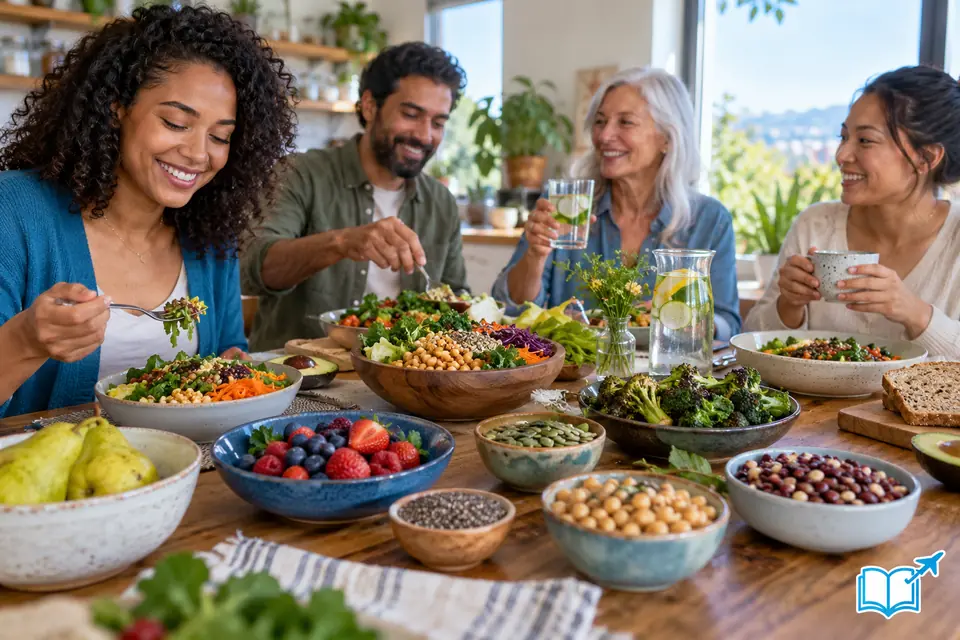
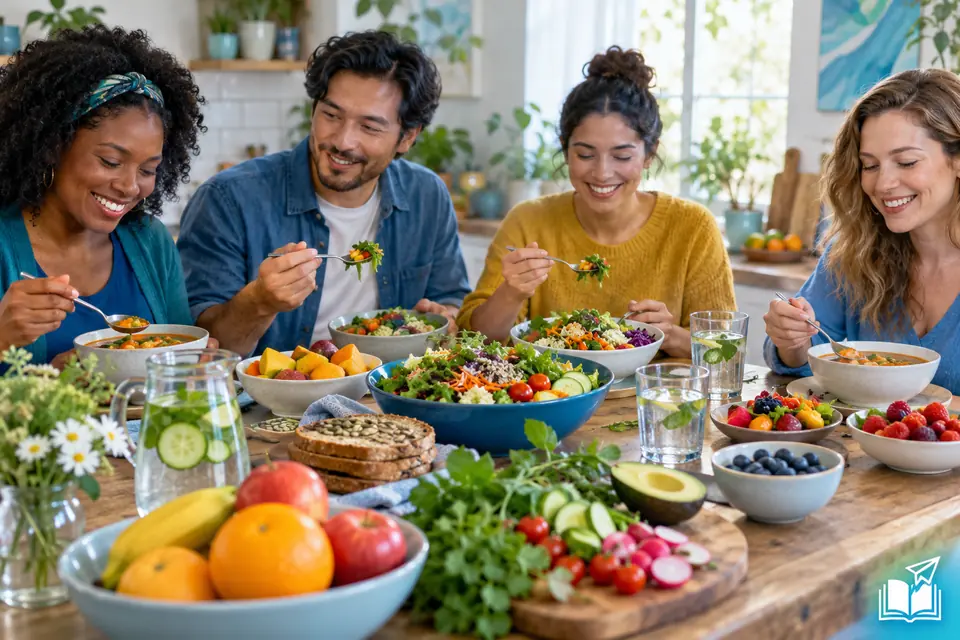
Your fruit bowl is quietly bursting with plant colour. That colour is not just for show. So what foods are naturally high in flavonoids? The answer sits in plain sight.
Rather than hunting for rare powders, look at your plate. Everyday produce carries these plant compounds well. Berries, tea, citrus, and onions all count. Nature packs them into common foods. They shape how phytonutrients support your body.
Here is the honest answer. Flavonoids are a large family of plant compounds. Berries, apples, onions, and citrus rank high. Tea, cocoa, and dark grapes join them. Herbs and beans add a steady share too. This is not medical advice. See a professional.
This guide covers flavonoid rich foods in plain terms. You will learn which foods lead the list. We will compare whole foods and pills. Simple habits keep your intake steady and cheap.
What foods are naturally high in flavonoids?
The honest answer starts with colour. Flavonoids gather in brightly coloured fruit and vegetables. Berries, red onions, and citrus stand out. Tea and cocoa add a strong share.
Think of flavonoids as a plant’s paint box. Each shade hints at a compound inside. The deeper the colour, the better the clue. Your eyes can guide your choices.
Do you need a fancy shopping list? Not at all, and that is welcome news. Common produce already carries plenty. A cup of tea gives a simple example. Everyday foods do most of the work. Your basket likely holds several right now.
What flavonoids actually are
Flavonoids are one branch of plant chemistry. They form the largest group of polyphenols. Plants make them for colour and defence.
These compounds are natural, not added later. They often bring a mild bitter edge. That slight bite is a helpful signal. Bold colour usually rides alongside it.
Learn how they fit within polyphenols as a family. Flavonoids sit inside that wider group. They share a common chemical shape. Whole plants carry them best. A varied plate covers many at once.
Did you know?
Scientists have named thousands of separate flavonoids. They form the biggest branch of the polyphenol family.
Berries lead the flavonoid list
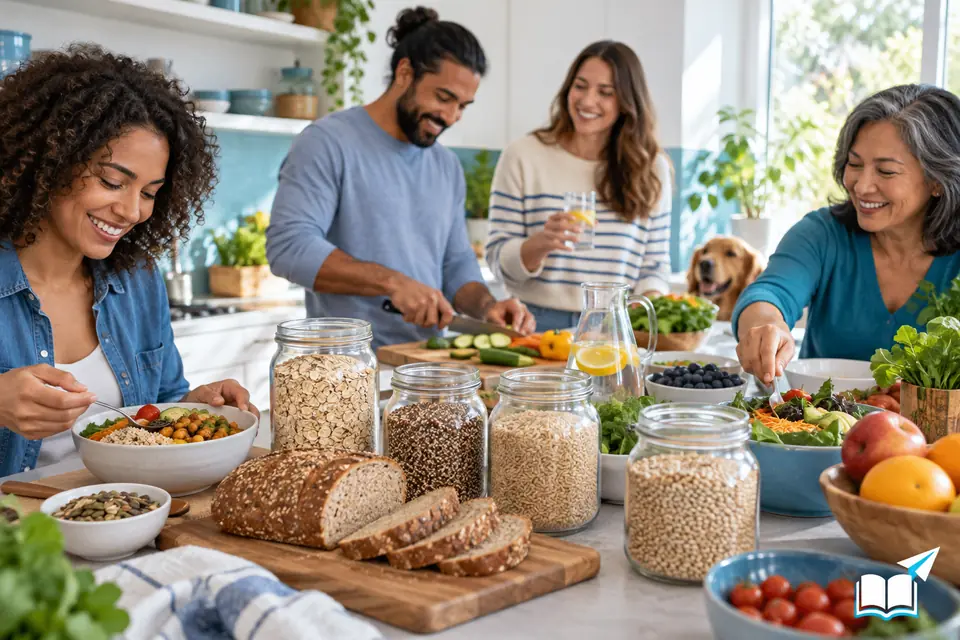
Berries are a standout flavonoid source. Blueberries, blackberries, and strawberries lead. Their deep colour signals rich compounds.
These fruits carry pigments called anthocyanins. Those pigments give berries their bold shades. The colour points straight to the value. Darker berries often score higher.
Add berries to oats, yogurt, and salads. Frozen berries work just as well. They are picked and frozen while ripe. A daily handful builds your total. Mixed berries widen the range further. Even a small bowl makes a difference.
Onions, apples, and everyday produce
Onions are a quiet flavonoid champion. Red and yellow onions carry quercetin. This compound sits mostly near the skin.
Apples belong on the list too. Much of their value hides in the peel. Kale, broccoli, and peppers add more. See the foods to eat every day for ideas.
Keep the skins on where you safely can. Eat apples whole rather than peeled. Toss onions into soups and stews. Small habits lift your intake quietly. Cheap staples do plenty of work. A bag of onions lasts for weeks.
Citrus fruit and their pith
Citrus fruit are rich in flavonoids. Oranges, lemons, and grapefruit all count. Much of the value hides in the pith.
The pith is the white spongy layer. It sits between the peel and the segments. People often scrape it away too eagerly. Keeping some pith adds more compounds.
Eat whole citrus rather than only juice. Leave a little pith on each segment. Add zest to dressings and bakes. The whole fruit beats a strained glass. Grated peel packs a strong flavoured punch. Keep a fresh lemon handy for cooking.
Tea, cocoa, and dark grapes
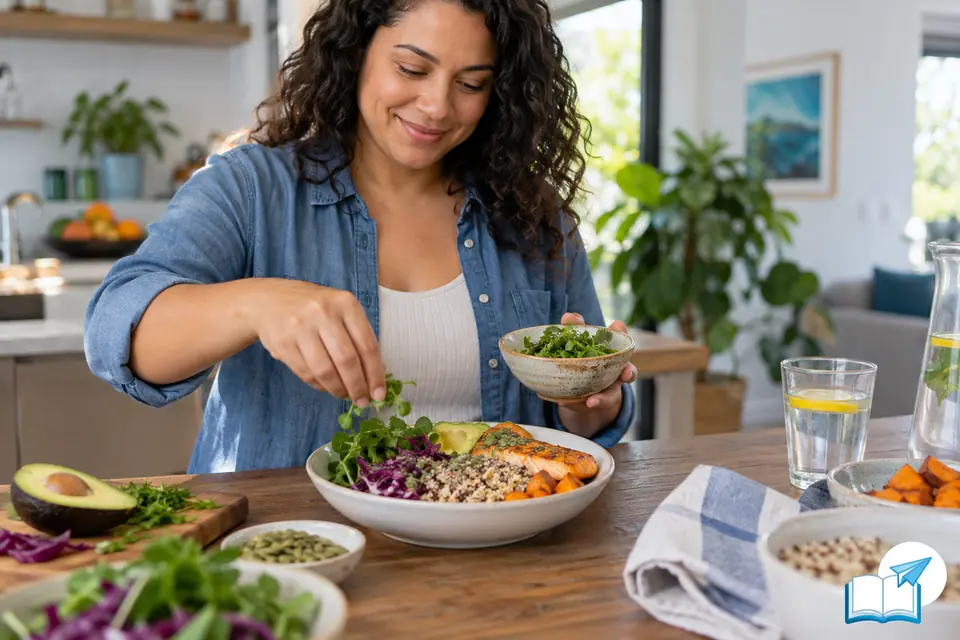
Some drinks are rich in flavonoids. Green and black tea are classic sources. Both come from the same leaf.
Cocoa is another strong provider. Dark chocolate carries these compounds too. Higher cocoa content usually means more value. Choose bars with less added sugar.
Dark grapes and red wine contain them as well. Grapes make the safer everyday pick. Enjoy tea plain and unsweetened. Let each drink do its quiet work. A simple cup is the smarter choice. A small square of dark chocolate helps.
Beans, herbs, and spices
Beans bring flavonoids along with fibre. Black beans and red kidney beans lead. Their dark coats hold much value.
Herbs and spices are concentrated sources. Parsley, thyme, and oregano stand out. A small pinch adds real worth. Dried herbs count fully too.
Stir beans into soups, salads, and stews. Sprinkle herbs over eggs and roasts. These foods are cheap and filling. Small amounts add up across a week. A well stocked spice rack helps.

The main types of flavonoids
Flavonoids split into several smaller groups. Anthocyanins give berries their deep colour. Flavonols include the well known quercetin.
Other groups include flavanols and flavones. Flavanols appear in tea and cocoa. Each type shows up in different foods. Their names sound complex, yet the idea is simple.
You do not need to learn every name. Eating varied plants covers many groups. Different colours signal different types. Variety is the easiest route here. Each meal mixes several at once. A rainbow plate does the sorting for you.
How flavonoids may support health
Researchers study flavonoids with keen interest. Many act as antioxidants inside the body. That role may help protect your cells.
Some compounds seem to support the heart. Others may help calm everyday inflammation. The science here is still growing. Whole diets show the clearest signals.
Keep your hopes realistic and grounded. These are not magic cures. They support a healthy eating pattern. Food works best as a whole package. Treat them as helpers, not quick fixes. Steady daily habits matter far more.
Fresh, frozen, and cooked sources
Fresh produce is a classic flavonoid source. Frozen fruit and vegetables count fully too. They are frozen soon after harvest.
Cooking changes some compounds along the way. Gentle heat can keep more of them. Long boiling may wash some out. A mix of raw and cooked helps.
Do not fear frozen or canned choices. They make a colourful plate affordable. Keep some ready for busy days. Variety of form helps here too. A full freezer speeds healthy meals.
Flavonoid foods versus supplements
People often ask about flavonoid pills. The honest comparison is food versus capsules. Each has a place, but food leads.
| Flavonoid rich foods | Flavonoid supplements |
|---|---|
| Come with fibre and vitamins | Offer one compound alone |
| Work as a natural blend | Miss the wider food package |
| Filling, tasty, and familiar | Easy but often pricey |
| Best for daily intake | Use only with expert advice |
Food should always come first here. Supplements rarely match a whole plant. Ask a professional before you start one. Real produce stays the smarter default.
Easy ways to eat more flavonoids

Adding flavonoids is simpler than it sounds. Toss berries onto your morning oats. Stir onions into a warm soup.
Swap a plain snack for whole fruit. Brew a cup of green tea. Each small step lifts your total.
Add one new colour every few days. A slow build keeps meals lively. Habits stick when they feel easy. Small swaps beat sudden overhauls here. Keep fruit visible on the counter. Reach for it before the biscuit tin.
Building a flavonoid rich plate
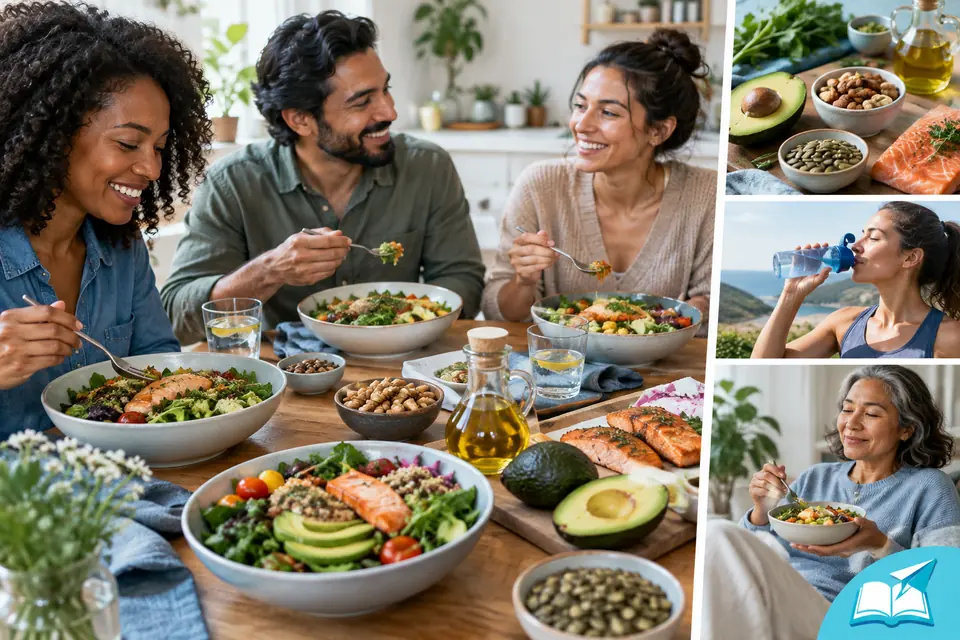
A flavonoid rich plate follows a simple pattern. Fill half with fruit and vegetables. Aim for several deep colours.
Give a quarter to whole grains. Save the rest for beans or lean protein. These foods cover many flavonoid groups. Compare your daily antioxidant rich foods too.
You do not need to weigh anything. A glance and simple habits work fine. Balance beats strict counting for most. Adjust the plate to fit your appetite.
Flavonoids on a budget
Flavonoids do not have to cost much. Frozen berries stretch a budget well. Seasonal produce often costs the least.
Onions, cabbage, and beans are very cheap. They still carry plenty of flavonoids. Buy colourful staples in larger bags.
Simple produce delivers strong value per coin. You rarely need pricey superfoods. Smart shopping keeps colour affordable. Batch cooking stretches every meal further. Local markets sell colour at fair prices. Dried herbs give a cheap concentrated boost.
Common myths about flavonoids

One myth says only exotic berries count. In truth, common produce is loaded. Everyday onions and apples do plenty.
Another myth claims pills beat real food. Whole plants bring a fuller package. Isolated compounds rarely match that blend.
Some people think more always means better. Balance matters more than huge doses. Variety serves you better than extremes. A steady, colourful diet wins over time.
Common mistakes people make
One common mistake is peeling everything. Skins often hold the richest flavonoids. Apple and onion peels prove the point.
Another mistake is over-boiling your vegetables. Long boiling can wash value away. Gentle steaming protects far more.
Some people rely on juice alone. Whole fruit keeps fibre and pith. That package beats a strained glass. A little care protects real value. Small changes here pay off quietly.
Who might need tailored advice
General food lists suit many healthy adults. Still, some people have special needs. Certain conditions change the picture.
Some medicines interact with grapefruit and similar foods. Sudden diet shifts can matter for a few. Your doctor knows your situation best.
This is not medical advice. See a professional for your personal needs. Use these food ideas as a friendly guide. A short chat can prevent bigger problems.
Flavonoids and a balanced diet

Flavonoids fit inside a wider pattern. They join fibre, vitamins, and minerals. Together they build a strong plate.
No single compound carries your whole diet. Balance across many foods matters most. Colour and flavour act as helpful signals. Variety remains the guiding rule.
Pair produce with whole grains and protein. This mix keeps your meals rounded. A simple plate does the heavy lifting. Good habits compound quietly across the weeks. Slow and steady wins the race.
Frequently asked questions
What foods are highest in flavonoids?
Berries, onions, apples, and citrus lead. Tea, cocoa, and dark grapes rank high too.
Are flavonoids the same as antioxidants?
Many flavonoids act as antioxidants. Still, the two terms are not identical.
Are flavonoids and polyphenols the same?
Flavonoids are one branch of polyphenols. They form the largest group in that family.
Which berries have the most flavonoids?
Dark berries lead the way. Blueberries and blackberries are strong picks.
Does tea contain flavonoids?
Yes, green and black tea are rich. Both come from the same plant leaf.
Do I need flavonoid supplements?
Most people do not need pills. A varied, colourful diet covers your needs.
Does cooking destroy flavonoids?
Cooking changes them in mixed ways. Gentle methods keep more than long boiling.
Are onions high in flavonoids?
Yes, onions carry quercetin near the skin. Red onions tend to score well.
Can I get flavonoids from frozen fruit?
Yes, frozen fruit counts fully. It is frozen soon after harvest.
Is more flavonoids always better?
No, balance beats extreme doses. Variety across colours serves you best.
The bottom line
So what foods are naturally high in flavonoids? Berries, onions, apples, and citrus lead. Tea, cocoa, and dark grapes join them. A colourful plate is the simplest way in.
Whole plants make flavonoids easy and cheap. Reach for real food before any pill. Variety keeps every meal interesting. Small daily habits truly add up over time.
For more background, read this overview of the flavonoid group. You can also explore anthocyanin pigments inside berries. Use trusted sources to guide your plate.
This is not medical advice. See a professional for your personal needs. Add one new colour today. Then build slowly from there. Your plate will thank you.