
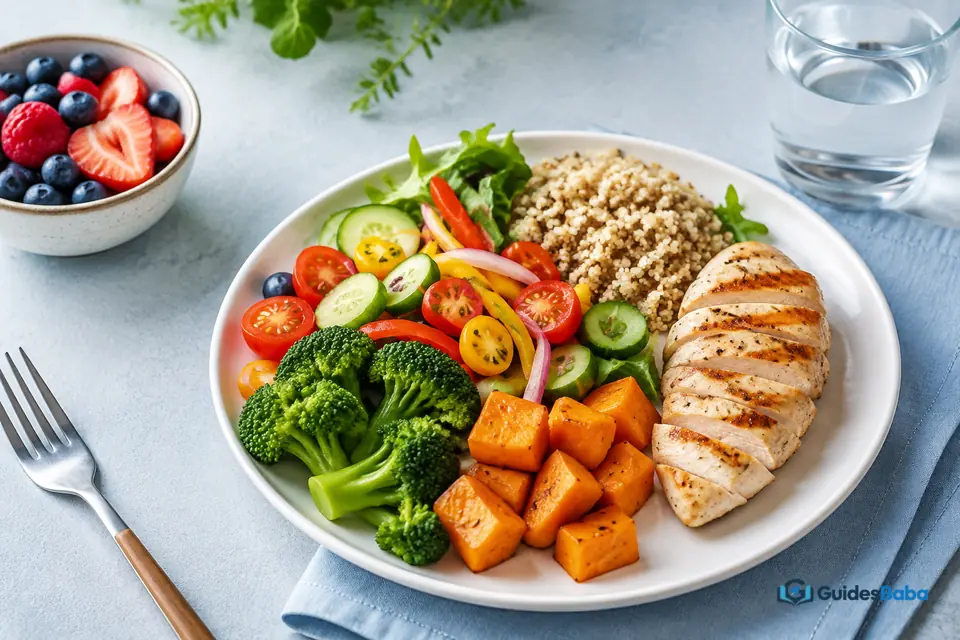
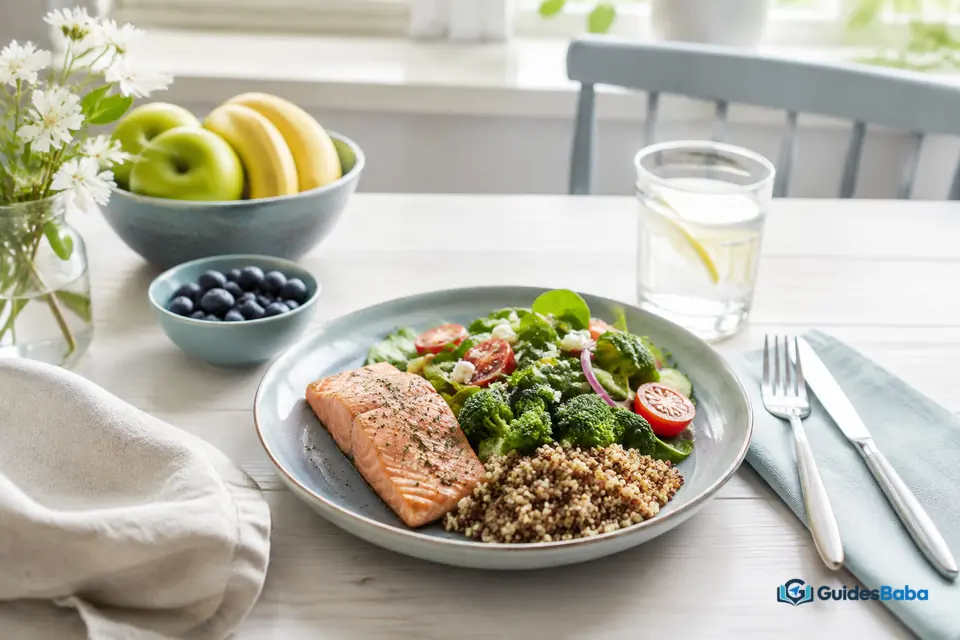
The scale changes fast once pregnancy begins. So what is healthy weight gain during pregnancy? How much is normal and how much is too much? The answer is more personal than any chart.
Rather than fixating on numbers, look at the bigger picture. Some weight gain is natural and healthy. It supports your baby and your body. The right range differs from person to person. Your care team sets what suits you.
Here is the honest answer. Healthy weight gain is gradual and steady. The right amount depends on your starting point. It supports the baby, placenta, and extra fluids. There is no single number for everyone. Your doctor or midwife guides your range.
This guide covers what healthy gain really means. You will learn where the weight goes. We focus on habits, not strict numbers. This is not medical advice. See a professional.
So what is healthy weight gain during pregnancy?
The honest answer avoids a single figure. Healthy gain is a personal range. It reflects your body and your baby.
Think of it like growing a garden. The pace suits the soil and season. Your midwife reads your unique situation. She sets a range that fits you. Steady progress matters more than speed.
Does everyone gain the same amount? Not at all, as starting points differ. Your build and health both matter. General ranges guide the conversation. A professional confirms your personal target.
Why some weight gain is healthy
Weight gain in pregnancy is not a flaw. It is a sign of growth and support. Your body builds a lot at once.
The baby grows steadily inside you. So does the placenta that feeds it. Extra blood and fluid add weight too. A dietitian can explain each part simply. This gain protects and nourishes your baby.
The goal is health, not a slim figure. Pregnancy is no time to diet. Focus on nourishment and gentle habits. Trust your body to do its work. Your care team watches the trend. Steady support makes all the difference.
Did you know?
Much of pregnancy weight is not fat. It includes the baby, placenta, and extra fluids.
Where the weight actually goes
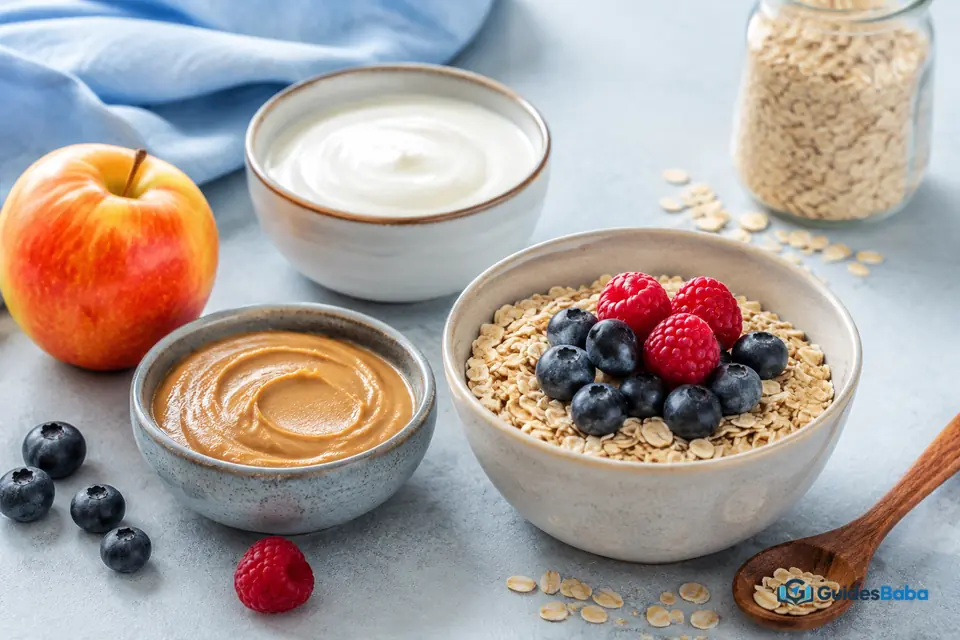
Pregnancy weight spreads across many parts. It is not all body fat. Understanding this eases many worries.
The baby makes up a share of it. The placenta and fluid add more. Your blood volume grows a lot. Breast tissue and the womb change too. Some fat store supports feeding later.
You can see the gain as purposeful. Each part plays a clear role. It supports growth and prepares your body. This picture makes the numbers feel calmer. The trend matters more than any day. Your body knows what it needs.
Why ranges depend on your starting point
There is no one range for everyone. Your starting weight shapes the guidance. So does your overall health.
Someone lighter may be advised to gain more. Someone heavier may be advised to gain less. Height and build also play a part. Your midwife weighs all these factors. She sets a range that fits you.
You should not compare yourself to others. Each pregnancy follows its own path. A friend’s range may not suit you. Learn more in our pregnancy eating guide. Personal advice always fits best.
Gaining gradually across pregnancy
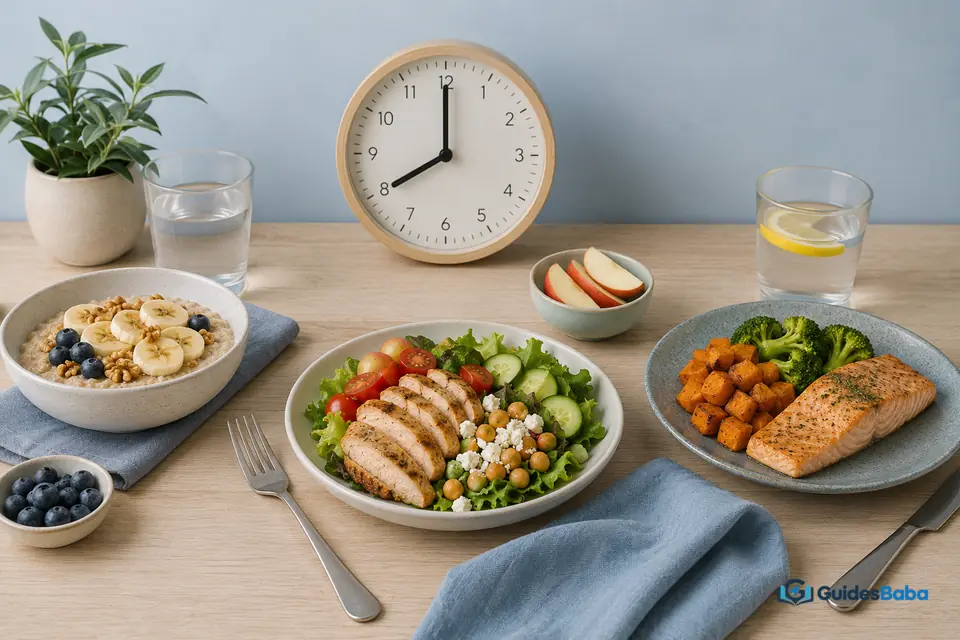
Healthy gain arrives slowly, not in bursts. It tends to build over time. The pace shifts as pregnancy grows.
Early weeks often bring little change. The middle and later stages add more. Steady progress beats sudden jumps. Your care team tracks the pattern. They flag anything that needs attention.
You do not need to hit weekly targets. Focus on the overall direction instead. Some weeks bring more than others. This is completely normal. Trust the longer trend.
The role of a balanced diet
Food quality shapes healthy weight gain. A balanced plate supports steady progress. It nourishes without excess.
Fill meals with vegetables, protein, and whole grains. Add fruit, dairy, and healthy fats. See our guide to a balanced diet. Nutrient-rich food supports gentle gain. Quality guides the whole plate.
You do not need to restrict or diet. Restriction can harm you and your baby. Aim for nourishment, not fewer calories. Let balance shape your meals. Your midwife can review your plan.

Staying active safely

Gentle activity supports healthy pregnancy. It helps mood, sleep, and energy. It also supports steady weight.
Walking and swimming suit many people. Prenatal classes offer gentle options. Always check activity with your midwife first. Stop if anything feels wrong. Safe movement supports your whole body.
You do not need intense workouts. Gentle, regular movement works well. Listen to your body throughout. Rest whenever you feel tired. Balance activity with plenty of recovery. Gentle movement should feel good.
Managing common cravings
Cravings can affect your eating and gain. They are a normal part of pregnancy. A little balance keeps them in check.
Enjoy treats in small, occasional amounts. Pair a craving with a nourishing food. Choose whole foods for most snacks. See our guide to healthier everyday eating. Balance lets you enjoy food guilt-free.
You do not have to fight every craving. Small indulgences fit a healthy pattern. Just keep nourishing foods central. Let quality lead most of the time. Kindness supports a happy pregnancy.
Chasing the scale versus steady habits
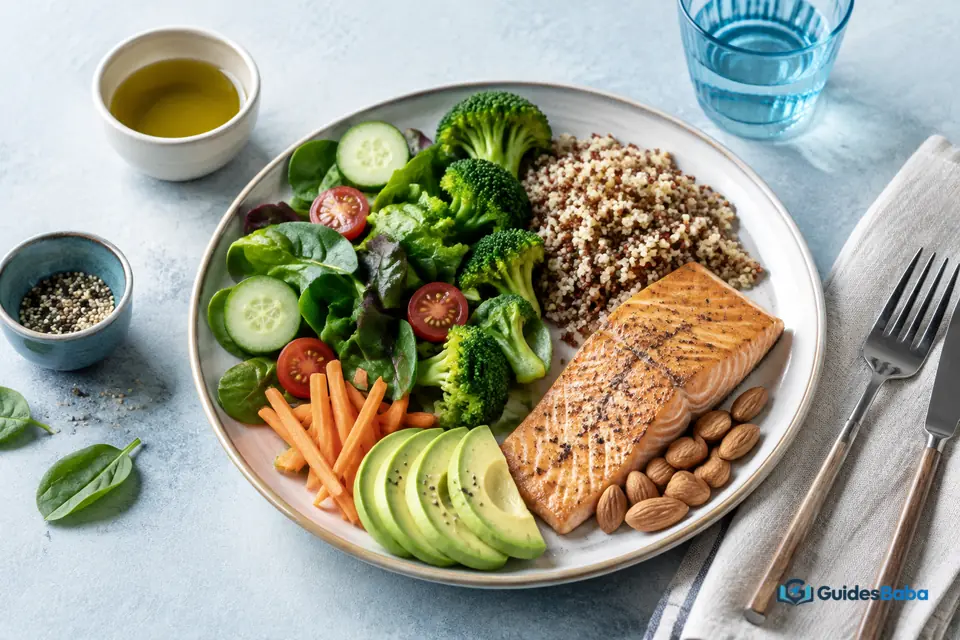
People often ask how to think about weight. The clear comparison is chasing the scale versus steady habits. Each mindset shapes the journey.
| Chasing the scale | Steady habits |
|---|---|
| Weighs in anxiously each day | Watches the gentle overall trend |
| Restricts food to hit a number | Nourishes with balanced meals |
| Compares with other pregnancies | Follows a personal range |
| Feels guilt over daily shifts | Trusts the care team’s guidance |
Use this table as a general guide only. Confirm the details with your own midwife. Your journey can differ from others. Personal advice always fits best.
When gain is slower than expected
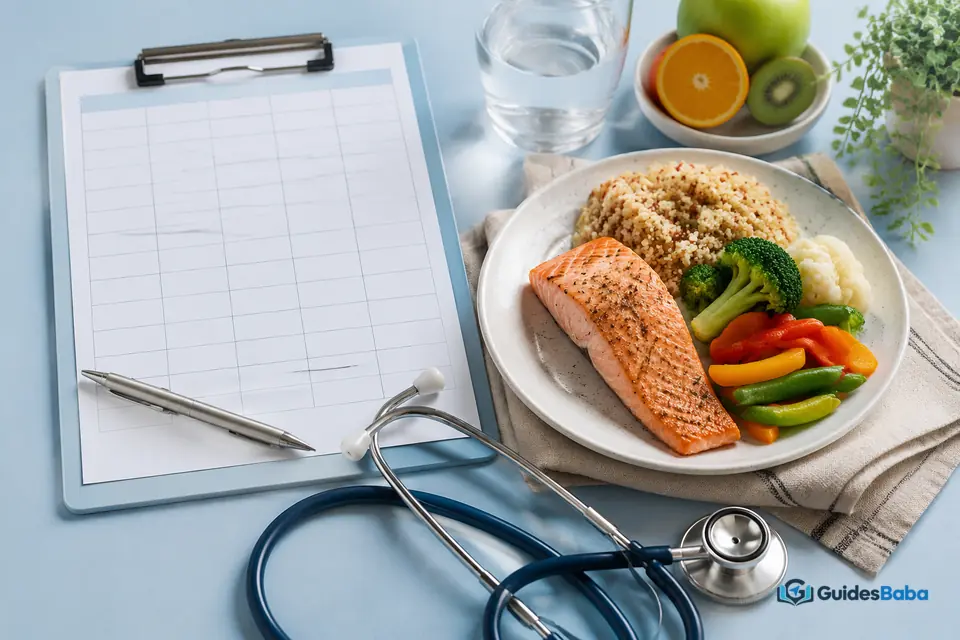
Sometimes weight gain feels too slow. This can worry many parents. Often there is a simple explanation.
Early nausea can limit eating for a while. Some people gain more later on. Your midwife checks that growth stays healthy. She looks beyond the scale alone. Raise any concern at your visits.
You should not try to force gain. Focus on nourishing, regular meals. Let your body find its pace. Ask your care team for guidance. They will reassure or act as needed.
When gain is faster than expected
Sometimes weight climbs faster than planned. This too can cause worry. Again, guidance beats guesswork.
Quick gain may reflect fluid or diet. Your midwife can explore the cause. She may suggest gentle diet tweaks. Never crash diet to slow it down. Restriction can harm you both.
You should raise faster gain with professionals. They will check for any concerns. Small, steady changes usually help. Keep meals balanced and nourishing. Expert support keeps you safe. Never restrict food on your own.
Nourishment over restriction
Pregnancy is never a time to diet. Restriction can starve growth of nutrients. Nourishment must always come first.
Feed your body the nutrients it needs. Choose whole foods across the day. Eat enough to support steady energy. See our list of everyday healthy foods. Nourishment protects you and your baby.
You can manage gain without cutting food harshly. Small quality shifts do more good. Add vegetables and whole grains. Reduce empty, sugary extras gently. Balance beats any strict diet.
Common mistakes people make
One common mistake is dieting during pregnancy. Restriction can harm growth and health. This is rarely a good idea.
Another mistake is weighing in obsessively. Daily numbers swing for many reasons. The overall trend matters far more. Weigh only as your midwife suggests. Let the trend tell the story.
Some people compare their gain to friends. Every pregnancy follows its own path. Comparison brings needless stress. Focus on your personal range. Your journey is uniquely yours. Trust your own care team instead.
The mental side of weight
Weight changes can stir strong feelings. That is completely understandable. Your mind deserves care too.
Watching the scale rise can feel hard. Remember the gain supports your baby. Speak up if it troubles you. Your midwife can offer support. You do not have to cope alone.
You can protect your peace of mind. Limit anxious daily weigh-ins. Focus on how you feel. Lean on people who support you. Emotional health matters greatly here. Be gentle and patient with yourself.
After the birth and beyond
Some weight stays to support feeding. This is normal and purposeful. Your body slowly adjusts over time.
Post-birth changes happen at their own pace. Do not rush to lose weight quickly. Gentle habits work far better than crash diets. Feeding and recovery take real energy. Your midwife can guide this stage too.
You can focus on nourishment after birth. Balanced meals support recovery and feeding. Give your body time and patience. Ask a professional before any diet. Kindness helps you heal well.
Who needs tailored guidance
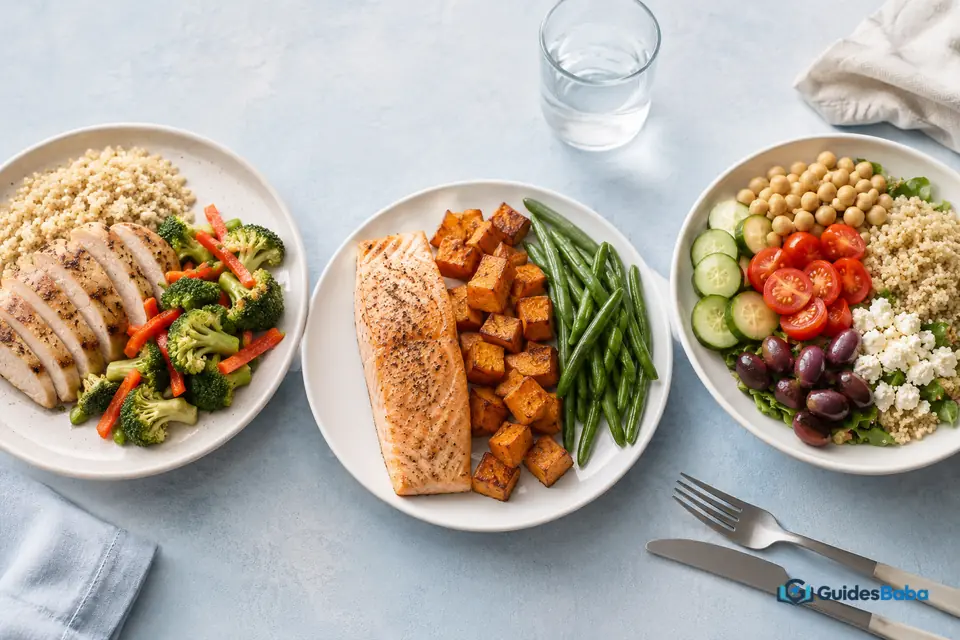
General advice suits most pregnancies well. Still, some people need personal care. Certain situations change the picture.
Existing conditions may alter your range. Twins and past pregnancies matter too. Your doctor understands your full history. Personal advice always beats general rules here. A short appointment can prevent problems.
This is not medical advice. See a professional for your own needs. Use these ideas as a friendly guide. Then adapt them with expert help.
Making it manageable
Healthy gain grows from simple habits. You do not need a strict plan. A few routines carry most of the load.
Eat balanced meals and gentle snacks. Stay active in ways you enjoy. Weigh only as advised, not daily. Ask questions at each antenatal visit. Steady habits make weight feel calm.
Above all, lean on your care team. Your midwife and doctor know you best. They turn general ranges into personal plans. Trust their guidance over online noise. Their support keeps you confident.
Frequently asked questions
What is healthy weight gain during pregnancy?
It is gradual, steady gain within a personal range. Your midwife sets what suits you.
Is there one number for everyone?
No, ranges depend on your starting point. Your care team gives personal guidance.
Where does the weight go?
It supports the baby, placenta, and fluids. Blood volume and tissue also grow.
Can I diet to limit gain?
No, pregnancy is not a time to diet. Restriction can harm you both.
Should I weigh myself daily?
No, daily numbers swing a lot. Watch the overall trend instead.
What if I gain too slowly?
Tell your midwife at your visits. She will check that growth stays healthy.
What if I gain too fast?
Raise it with your care team. They can suggest gentle, safe adjustments.
Does exercise help?
Gentle activity supports mood and health. Always check exercise with your midwife.
Can I still enjoy treats?
Yes, in small, occasional amounts. Keep nourishing foods at the centre.
Where can I get personal advice?
Speak with your doctor, midwife, or dietitian. They tailor advice to your needs.
The bottom line
So what is healthy weight gain during pregnancy? It is gradual, steady gain within a personal range. The right amount depends on your starting point. It supports the baby, placenta, and fluids. There is no single number for everyone.
You do not need to chase the scale. Focus on nourishment and gentle habits. Stay active in ways you enjoy. Then let your care team guide your range.
For more background, read this overview of gestational weight gain and its factors. You can also learn about body mass index and its limits. Trusted sources help you plan wisely.
This is not medical advice. See a professional for your personal needs. Your doctor, midwife, or dietitian knows you best. Let their guidance shape your choices.