

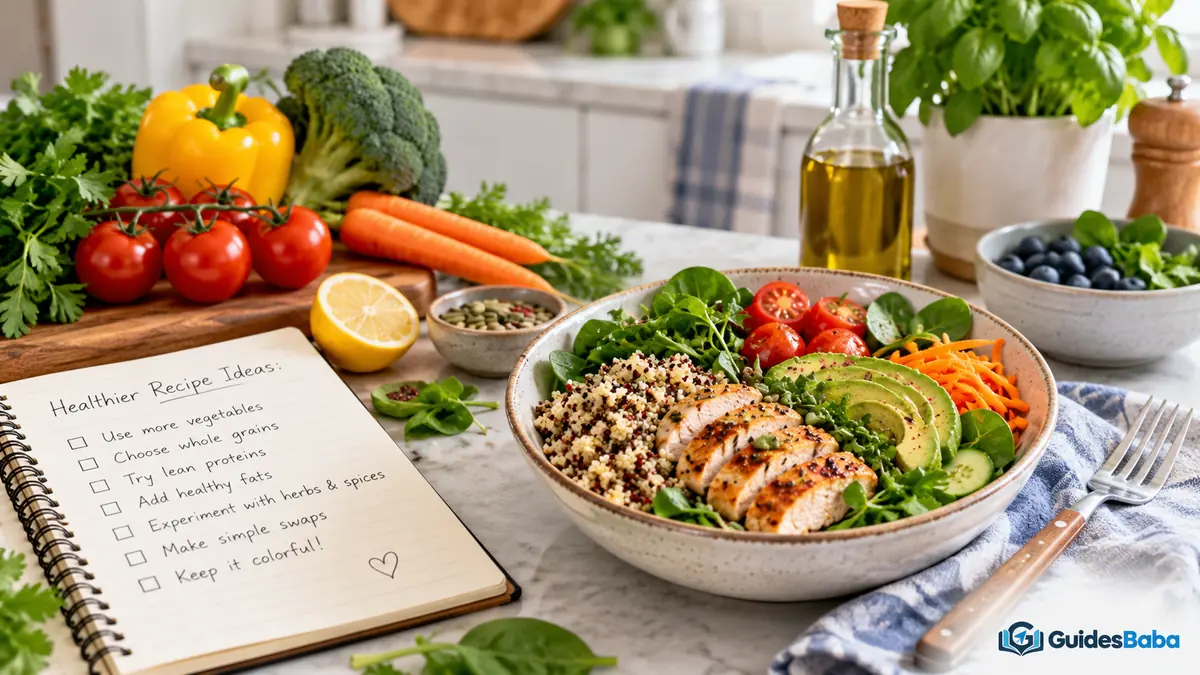
A favourite recipe can feel set in stone. Yet small tweaks change a lot. So how can you make recipes healthier? The answer is easier than you think.
Rather than tossing out beloved dishes, adjust them. A few smart swaps do wonders. You keep the taste you love. The dish simply becomes lighter. Small hinges swing big doors.
Here is the honest answer. Trim added sugar, salt, and excess fat. Add more vegetables and fibre. Swap refined grains for whole grains. Use gentle cooking methods where you can. This is not medical advice. See a professional.
This guide covers healthier recipes in plain steps. You will learn simple swaps that work. We will compare small tweaks and full makeovers. Many tips link back to easy daily habits.
So how can you make recipes healthier?
The honest answer starts with small changes. You do not rebuild the whole dish. A few swaps carry most of the value. Your favourite recipe stays familiar.
Think of a recipe like a rough draft. You can edit it freely. Trim what is heavy or excess. Add what brings real goodness. Each edit improves the final result.
Do you need to change everything at once? Not at all, and that helps. Start with one or two swaps. Build new habits slowly over time. Small steps stick far better. Big overhauls often fade fast.
Why small recipe tweaks matter
Small tweaks add up quietly. One swap seems minor alone. Many swaps reshape your whole diet.
A little less sugar here helps. A little more fibre there helps too. These changes repeat meal after meal. Over months the effect grows large. Consistency beats any single perfect dish. Steady habits shape real change.
Tweaks also keep cooking enjoyable. You do not abandon favourite meals. You simply make them lighter. That feels sustainable and kind. You keep improving your meals slowly. Gentle change lasts the longest.
Did you know?
You can often cut recipe sugar by a third. Most dishes still taste sweet enough to enjoy.
Cut back on added sugar
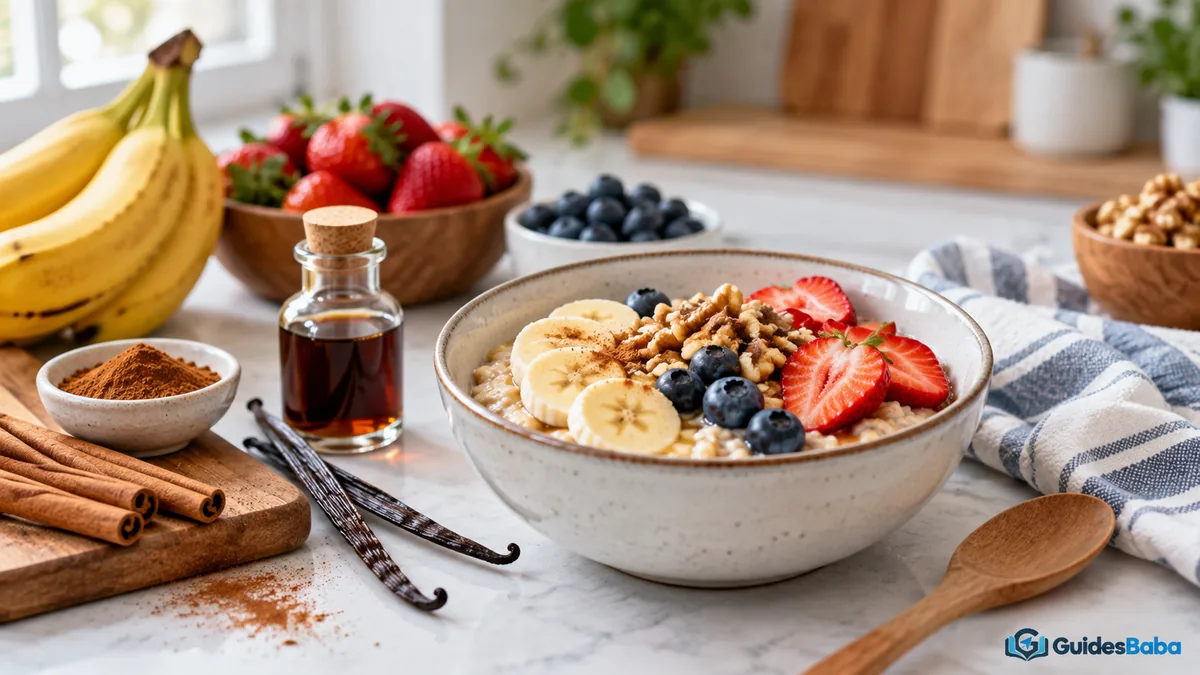
Many recipes call for too much sugar. You can trim it easily. The dish still tastes sweet.
Try using a third less sugar. Most bakes cope with the change. Ripe fruit adds natural sweetness too. Spices like cinnamon boost the effect. Your palate soon adjusts happily. Sweetness is partly a habit.
Reduce sugar slowly over several bakes. This lets your taste buds adapt. Mashed banana can replace some sugar. Vanilla makes food taste sweeter. Small cuts protect flavour and health. The dish rarely misses the sugar.
Reduce salt with herbs and spices
Salt sneaks into many home recipes. You can lower it gently. Flavour need not suffer at all.
Herbs and spices carry big flavour. Garlic, pepper, and lemon lift dishes. Fresh herbs brighten almost anything. You then need far less salt. Taste as you cook to adjust. Season in gentle stages.
Add salt near the end of cooking. A little goes a long way then. Toasting spices deepens their punch. Acid from lemon wakes food up. Clever seasoning makes salt less important. Bold flavour hides a lighter hand.
Swap refined grains for whole grains
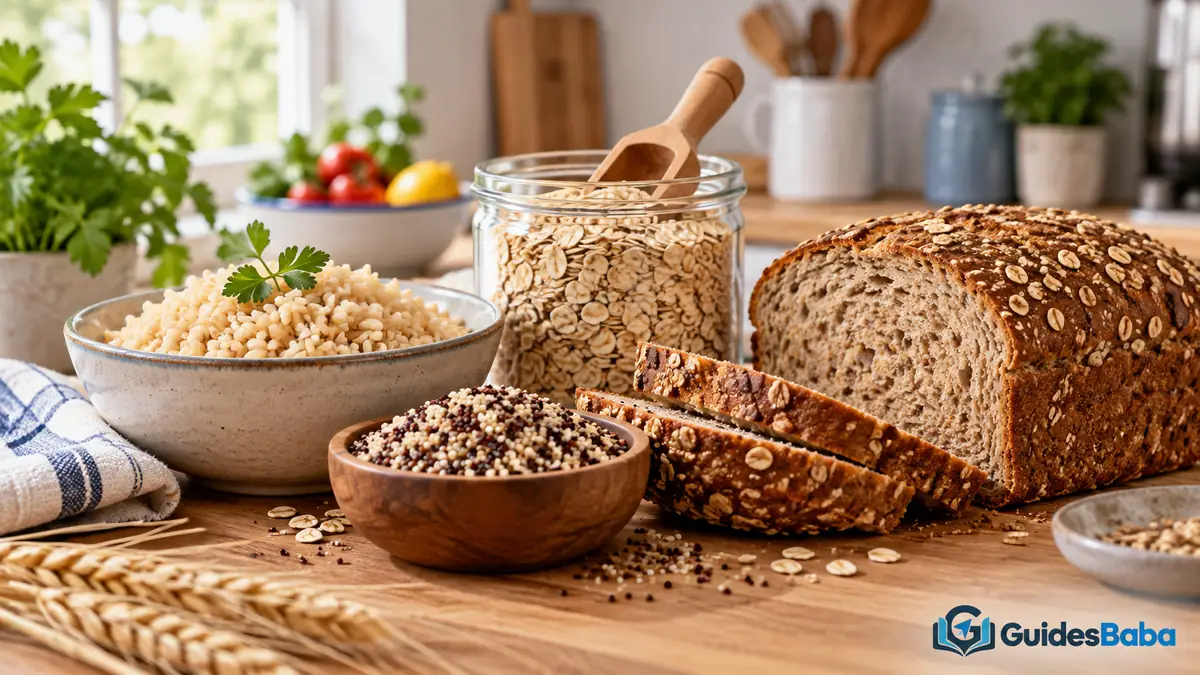
Refined grains lose fibre and nutrients. Whole grains keep much more. A simple swap helps a lot.
Use brown rice instead of white. Try wholemeal flour in some bakes. Whole grain pasta works well too. These swaps add fibre and texture. Start by mixing white and whole. The change then feels small.
Whole grains keep you full longer. They release energy more steadily. Blend them in gradually at first. Your recipes gain quiet value. Small grain swaps pay off daily. Fibre and texture both improve.
Add more vegetables
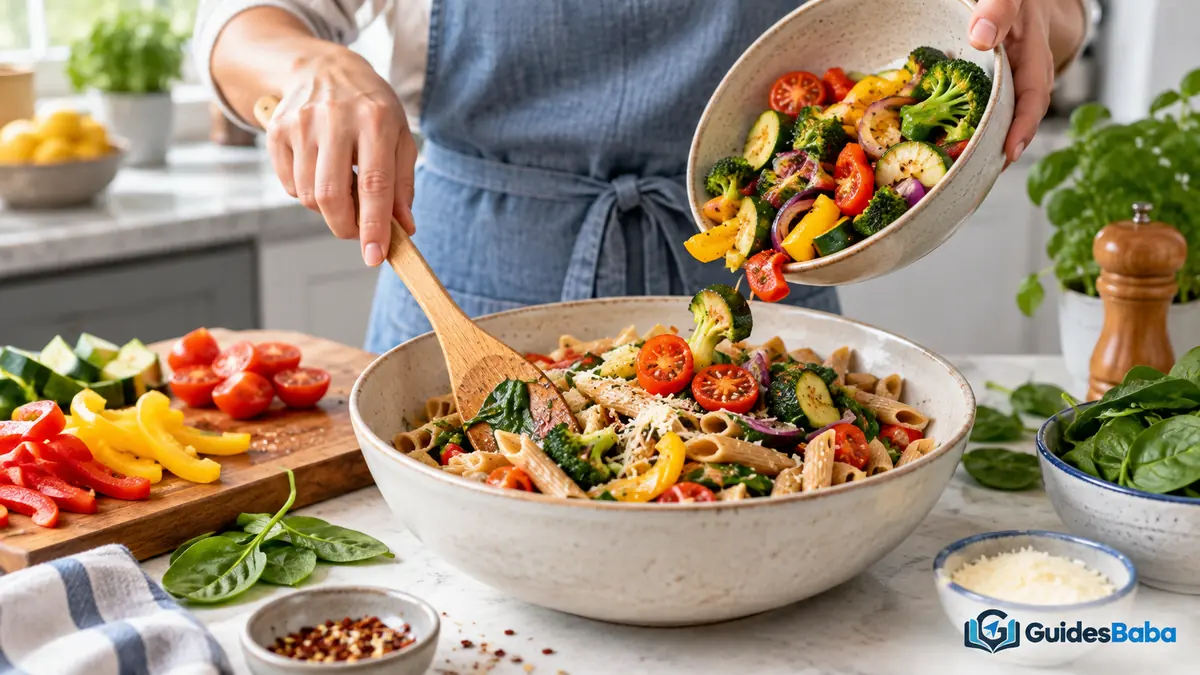
Vegetables are an easy healthy upgrade. You can slip them into most dishes. They add colour and nutrients.
Grate carrots or courgette into sauces. Add spinach to a pasta bake. Bulk out soups with extra veg. This stretches meals and adds fibre. Pick from the best vegetables to eat often.
More vegetables mean fewer heavy fillers. You lean less on refined carbs. Colourful plates signal varied nutrients. Aim for veg at most meals. A little extra produce goes far. Your plate gains colour and value.

Choose leaner protein
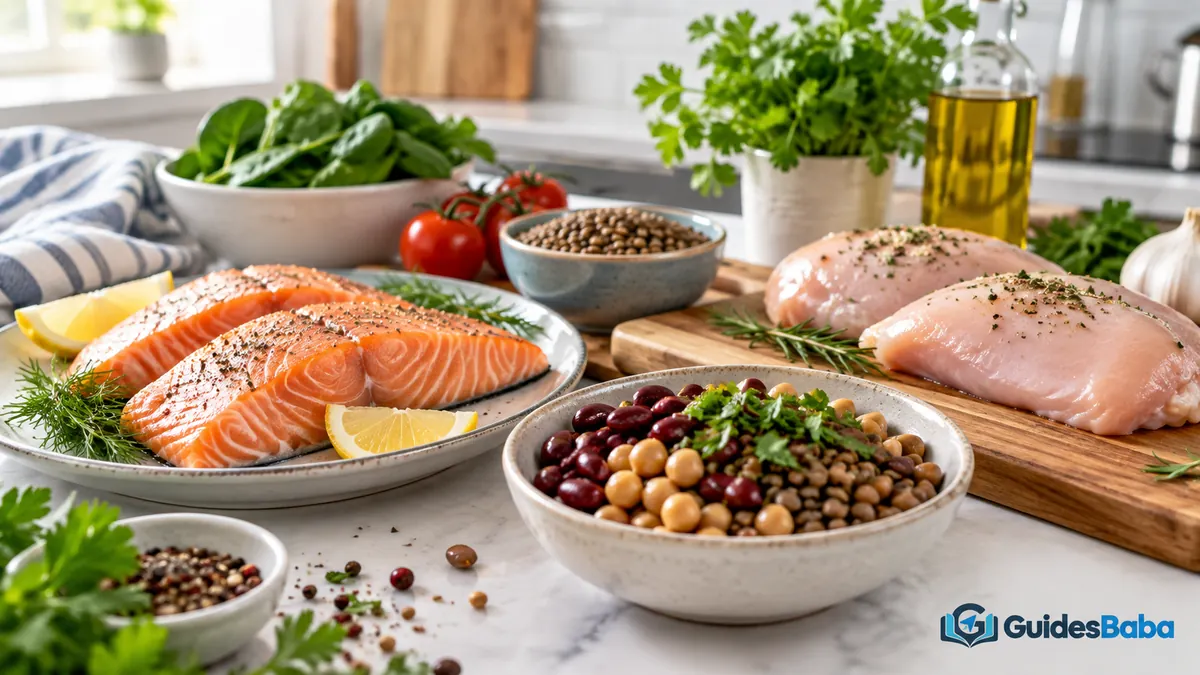
Protein choice shapes a recipe greatly. Leaner cuts trim excess fat. The dish stays satisfying.
Swap some red meat for poultry. Try beans or lentils in stews. Fish adds protein and healthy fats. Trim visible fat before cooking. Explore foods high in protein for ideas.
Plant proteins bring fibre along too. Beans stretch a dish and cut cost. Mix meat with lentils to lighten it. Protein keeps you full longer. A leaner base lifts any recipe. Beans and fish both work well.
Comparing small swaps and full makeovers
People often ask how far to go. The honest comparison is small swaps versus full makeovers. Each approach has a place.
| Small swaps | Full makeover |
|---|---|
| Changes one thing at a time | Rebuilds the whole dish |
| Keeps the familiar taste | Can taste quite different |
| Easy to stick with | Needs more effort and trial |
| Best for everyday cooking | Best for a big reset |
You do not have to pick one forever. Many cooks blend both approaches. Start with easy swaps first. Save bigger makeovers for later. Progress beats a perfect plan.
Use less oil and better fats
Oil adds hidden calories fast. A heavy hand piles them on. You can pour with more care.
Measure oil with a spoon, not the bottle. A teaspoon often does the job. Use a non-stick pan to cut fat. Choose oils that suit the heat well. Match the oil to the job. A little good oil goes far.
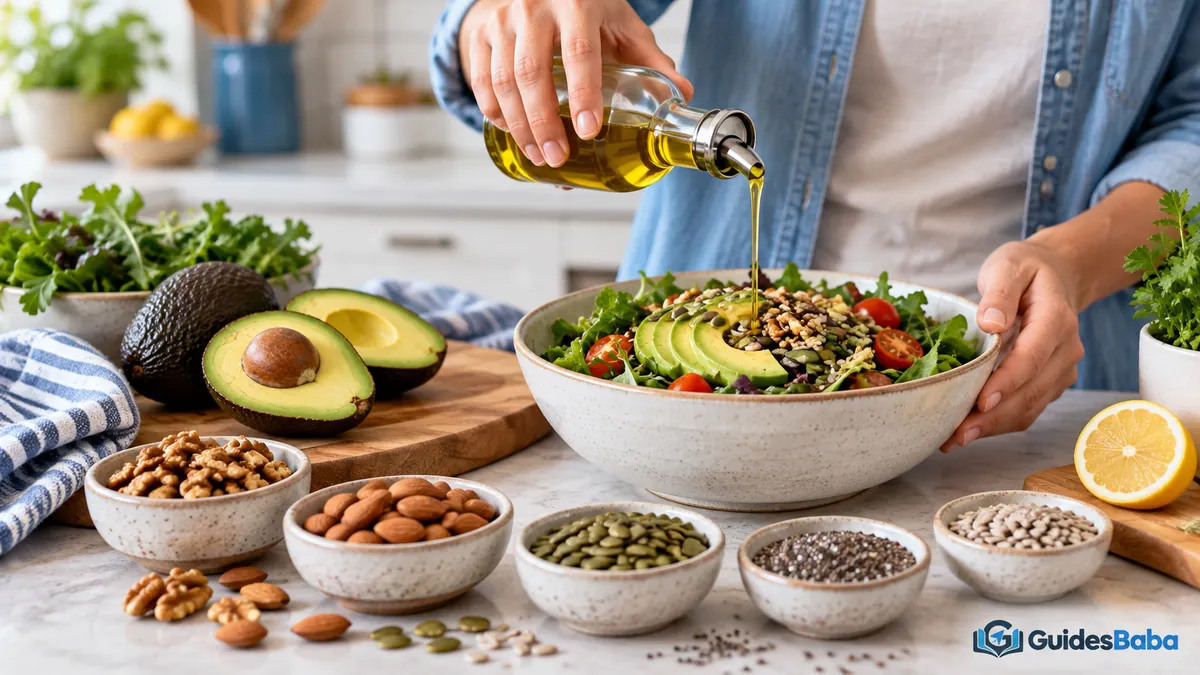
Swap some butter for a lighter fat. Use yogurt in place of cream. Mashed avocado can enrich a bake. These swaps lower heavy fat. Better fats keep meals satisfying. A little rich flavour still shines.
Boost the fibre
Fibre helps you feel full longer. Many recipes lack enough of it. You can add fibre easily.
Stir beans into soups and stews. Add oats to bakes and toppings. Leave skins on where you can. Choose whole grains over refined. Small additions raise the fibre.
Fibre supports steady digestion too. It slows the release of energy. Build it in across the day. Learn about foods highest in fibre for ideas. A little more fibre helps plenty. Fullness comes more easily then.
Lighten sauces and dressings
Sauces often hide extra fat and sugar. A few tweaks lighten them. Flavour can stay bold.
Use yogurt instead of heavy cream. Blend vegetables to thicken a sauce. Cut the sugar in dressings. Add herbs, mustard, and lemon. These lift taste without the load.
Make dressings at home when you can. You then control every ingredient. Whisk oil, vinegar, and herbs simply. Small batches taste fresh and light. Homemade sauces cut hidden extras. You decide what goes in.
Control portion sizes
Even healthy food has its limits. Large portions add up fast. Sensible amounts keep balance.
Serve on a slightly smaller plate. Fill half of it with vegetables. Give protein and grains a quarter each. This simple split guides portions. Your plate does gentle maths.
Wait a moment before second helpings. Hunger often settles after a pause. Store extra portions for later. This trims waste and overeating. Small portion habits protect your goals. A pause prevents mindless seconds.
Cook with healthier methods
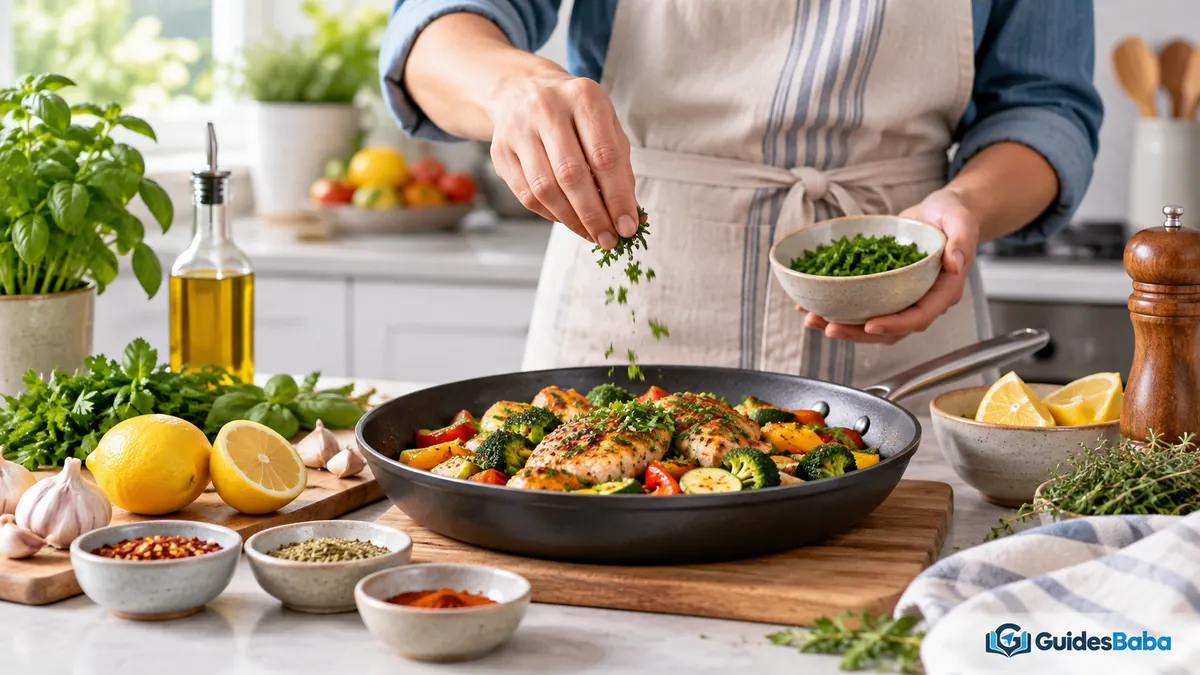
Method matters as much as ingredients. Gentle cooking keeps meals lighter. Small changes help a lot.
Bake or grill instead of deep frying. Steam vegetables to keep nutrients. Roast with just a little oil. These methods trim excess fat. Your recipe gains without losing taste.
Try a few simple healthy ingredient swaps too. Pair better methods with better ingredients. The two work well together. Meals turn lighter almost automatically. Smart methods finish the job. Ingredients and heat both matter.
Common myths
One myth says healthy food tastes bland. Herbs and spices prove otherwise. Flavour can grow, not shrink.
Another myth claims healthy cooking is costly. Beans and vegetables are cheap. Whole grains often cost little. Smart swaps can save money. Health need not strain the wallet.
Some think you must change everything. One swap at a time works. Slow progress still counts fully. Perfection is not the goal. Ditch the all-or-nothing myth today. Small wins still count fully.
Common mistakes
One common mistake is changing too much at once. The dish then tastes strange. Small steps work far better.
Another mistake is adding hidden sugar back. Some low-fat products pack sugar. Read labels with a careful eye. Balance fat and sugar together. Small checks protect your effort.
Some people forget flavour entirely. Bland healthy food gets abandoned. Season boldly with herbs and spice. Keep the meals enjoyable. Little habits protect the whole plan. Tasty food gets eaten again.
Who might need tailored advice
General tips suit many healthy adults. Still, some people have special needs. Certain conditions change the picture.
Some diets limit salt, sugar, or fat. Recipe changes then need extra care. Your doctor knows your situation best. Allergies also shape your safe options.
This is not medical advice. See a professional for your personal needs. Use these recipe ideas as a friendly guide. A short chat can prevent bigger problems.
Healthier recipes and a balanced diet
Healthier recipes support a balanced diet. Each small tweak nudges you forward. Balance grows easier to reach.
Add vegetables, fibre, and lean protein often. Trim excess sugar, salt, and fat. Use gentle cooking methods where possible. No single meal carries the week. Variety across days matters most.
Treat your recipes as a gentle framework. Adjust them as your tastes shift. Pair produce with protein and grains. This mix keeps meals rounded. Simple swaps do the heavy lifting. Good habits compound quietly over weeks.
Frequently asked questions
How can you make recipes healthier?
Trim added sugar, salt, and excess fat. Add vegetables, fibre, and whole grains where you can.
Can I reduce sugar in baking?
Yes, try cutting sugar by about a third. Ripe fruit and spices add natural sweetness.
How do I use less salt?
Lean on herbs, spices, garlic, and lemon. Add a little salt near the end.
Are whole grains really better?
Whole grains keep more fibre and nutrients. They also help you feel full longer. Steady energy follows a whole grain.
How do I add more vegetables?
Grate them into sauces and bakes. Bulk out soups and stews with extra veg.
What is a good fat swap?
Use yogurt instead of cream in some dishes. Measure oil with a spoon, not the bottle.
Do healthy recipes cost more?
Not usually, since beans and veg are cheap. Whole grains often cost little too.
How do I keep food tasty?
Season boldly with herbs and spices. Use lemon and garlic to lift flavour.
Should I change everything at once?
No, change one thing at a time. Small swaps are easier to keep.
How do I add more fibre?
Add beans, oats, and whole grains. Leave edible skins on where you can.
The bottom line
So how can you make recipes healthier? Trim added sugar, salt, and excess fat. Add vegetables, fibre, and lean protein. Swap refined grains for whole grains. Use gentle cooking methods where you can.
Small tweaks quietly reshape your diet. You keep the meals you love. One swap at a time works best. Small kitchen habits truly add up over time.
For more background, read this overview of a recipe as a format. You can also explore the role of dietary fibre in food. Use trusted sources to guide your routine.
This is not medical advice. See a professional for your personal needs. Tweak one recipe today. Then build slowly from there. Your future self will thank you.