
Fat has a bad name it does not fully deserve. Some fats actually work hard for your health. So what are monounsaturated fats? These friendly fats deserve a spot on your plate.
Rather than cutting all fat from meals, learn the good kinds. Monounsaturated fats sit firmly in that helpful group. They show up in tasty, familiar foods. Knowing them helps you build smarter meals. They pair well with other foods with healthy fats.
Here is the honest answer. Monounsaturated fats are a healthy type of dietary fat. Olive oil, avocado, and nuts are top sources. They may support your heart and cholesterol. Most experts suggest eating more of them. This is not medical advice. See a professional.
This guide covers monounsaturated fats in plain language. You will see which foods carry the most. We will compare them with saturated fat. Many tips link back to a balanced diet.
So what are monounsaturated fats?
The honest answer is simple and friendly. Monounsaturated fats are a healthy dietary fat. They stay liquid at room temperature. They turn slightly cloudy in the fridge.
Think of them as the gentle giants of fat. They bring energy without the usual worry. Many cultures build meals around them. Olive oil is the shining example here. Whole regions thrive on this fat.
Do you have to fear these fats? Not at all, and that is freeing. They belong in most healthy diets. The key is still sensible portions. Rich foods still carry plenty of calories. Enjoy them with a light hand.
What monounsaturated fats actually are
The name points to their chemical shape. They carry one main bend in their structure. That single bend gives them their traits.
This shape keeps them liquid at room temperature. It also makes them fairly stable. That stability suits gentle cooking well. It resists spoiling better than some fats.
Oleic acid is the most common example. It fills olive oil and many nuts. Your body handles it with ease. These fats feel light yet satisfying. The single bend is the key detail.
Did you know?
Olive oil is mostly monounsaturated fat. It anchors the famous Mediterranean way of eating.
Olive oil, the classic source
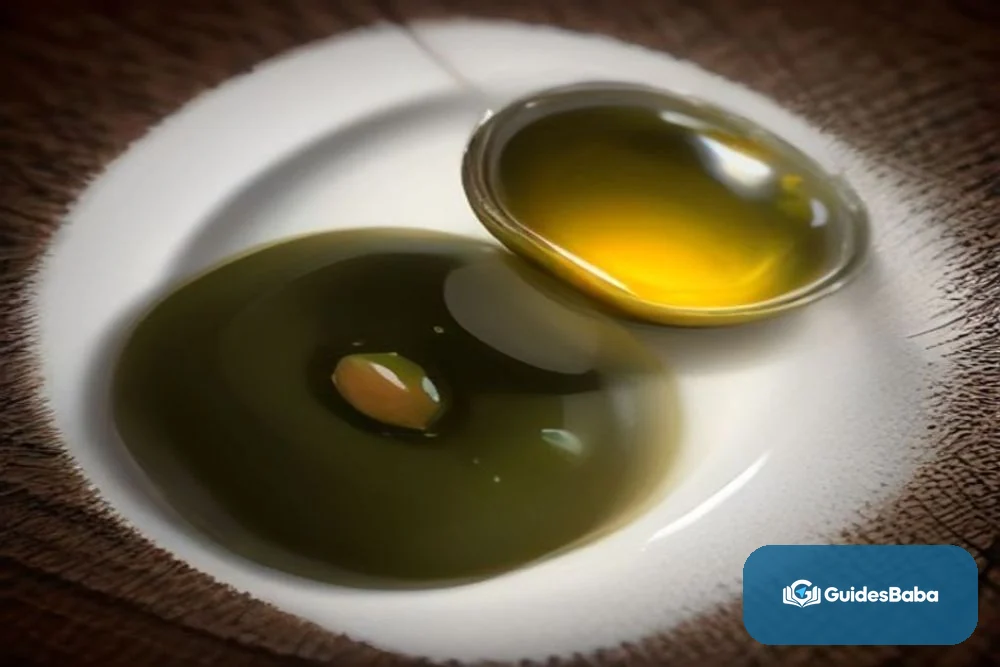
Olive oil is the poster child here. It is rich in monounsaturated fat. Extra virgin oil keeps the most flavor.
It suits salads, roasting, and gentle frying. A drizzle lifts almost any dish. Its taste ranges from mild to peppery. Peppery notes often signal fresh oil.
Store it away from heat and light. Use it as your everyday cooking oil. Quality really shows in the flavor. A good bottle earns its place. A little drizzle finishes a dish nicely.
Avocado and its creamy fat
Avocado is a soft, creamy fat source. Most of its fat is monounsaturated. It also brings fiber and potassium.
Half an avocado is a fine serving. Spread it on toast or into salads. It replaces butter in many recipes.
Its mild taste suits sweet and savory dishes. Blend it into a smooth dip. Mash it onto whole grain bread. A little goes a long way. Ripe avocado feels soft to a gentle press.
Nuts rich in monounsaturated fat
Nuts are packed with monounsaturated fat. Almonds, cashews, and pecans lead the way. Macadamias and hazelnuts rank high too.
A small handful makes a smart snack. They add crunch to meals and salads. They also carry protein and minerals. Unsalted versions keep the sodium low.
Keep portions modest, since nuts are calorie dense. A closed handful is about right. Store them somewhere cool and dry. They pair well with high protein foods.
Seeds and their healthy oils
Some seeds also carry monounsaturated fat. Sesame and pumpkin seeds are examples. They add texture and quiet nutrition.
Sprinkle them over salads and bowls. Stir tahini into simple dressings. These little additions build up nicely.
Seeds bring minerals along with their fat. They suit both sweet and savory dishes. A spoonful is usually plenty. Keep them handy for easy toppings. Toast them lightly for extra flavor.

Peanuts and peanut butter
Peanuts are technically legumes, but they fit here. Their fat is largely monounsaturated. They make an easy, cheap source.
Natural peanut butter is a handy option. Look for jars without added oils. A simple ingredient list is best. Peanuts alone should top the list.
Spread it on fruit or whole grain toast. Stir it into savory sauces. Keep the serving to a spoon or two. It delivers fat and protein together. Give the jar a good stir first.
Cooking oils high in monounsaturated fat
Several oils lean toward monounsaturated fat. Canola and high-oleic sunflower oil qualify. Peanut oil belongs in this group too.
These oils suit everyday cooking well. Many handle moderate heat with ease. Rotate them for variety and flavor. Each oil brings its own character.
Choose oils based on the dish. Use olive oil for salads and low heat. Save neutral oils for higher heat. A small pour is usually enough. Match the oil to the flavor you want.
How monounsaturated fats help the heart
These fats may support heart health. They can help nudge cholesterol in a good direction. Research generally views them kindly.
Swapping saturated fat for them helps most. That single change can shift your balance. See these nutritional guidelines for context.
No single fat fixes everything, though. Overall pattern matters far more. Whole foods still lead the way. Balance across the week is the goal. Consistency beats any one perfect meal.
Monounsaturated versus saturated fat
People often ask how these fats differ. The honest comparison sits between two families. Each behaves in its own way.
| Monounsaturated fat | Saturated fat |
|---|---|
| Liquid at room temperature | Solid at room temperature |
| Mostly from plants | Mostly from animal foods |
| Can form a larger share | Best kept modest daily |
| Olive oil, avocado, nuts | Butter, cheese, fatty meat |
Monounsaturated fat can form the bigger share. Saturated fat works better in small amounts. Neither type is truly evil, though. A sensible balance keeps meals healthy.
How much monounsaturated fat to eat
There is no single magic number here. These fats can make up a healthy share. Total calories still matter, though.
Aim to replace some saturated fat with them. That swap is the main idea. Portion size keeps the calories in check. A steady pattern matters most here.
You do not need to count every gram. A general sense of balance works well. Let whole foods lead your plate. Steady habits beat strict daily math. Focus on the pattern, not one meal.
Simple ways to add them
Adding these fats is pleasantly easy. Drizzle olive oil over cooked vegetables. Slice avocado onto your sandwich.
Toss a handful of nuts into salads. Swap butter for olive oil when cooking. Spread peanut butter on fruit slices.
Snack on olives for a savory bite. Stir tahini into a quick dressing. Each small step lifts your good fats. None of them ask for much effort. Pick one habit and start today.
Monounsaturated fats and the Mediterranean way
The Mediterranean pattern leans on these fats. Olive oil sits at its very center. Nuts and avocado feature often too.
Meals pair good fats with vegetables and grains. Fish and beans round out the plate. This style is easy to enjoy. Fresh herbs add flavor without extra fat.
You can borrow its habits at home. Cook with olive oil most days. Fill your plate with plants and fish. Small shifts bring the style to life. It also makes everyday meals healthier.
Choosing quality oils
Quality matters when picking oils. Extra virgin olive oil keeps more flavor. Cold-pressed oils often taste better.
Buy amounts you can use fairly soon. Fresh oil beats an old, stale bottle. Store it cool and away from light.
Check the harvest or best-by date. A dark bottle protects the oil better. Taste guides you toward good choices. Trust your nose and palate here. Fresh oil smells clean and bright.
Reading labels for good fats
Labels help you spot the good fats. Look for monounsaturated fat on the panel. Not every label lists it clearly.
Check the ingredient list for real oils. Olive, canola, and peanut oil are good signs. Watch for added palm oil too. Named oils beat vague blends here.
Compare similar products side by side. Higher good fats usually mean a better pick. Let the numbers guide your basket. Simple ingredient lists are a plus. Fewer additives usually means a cleaner choice.
Common myths about fat
One myth says all fat makes you fat. Good fats fit a healthy weight plan. Portion size does the real work.
Another myth calls olive oil unfit for cooking. It handles gentle and moderate heat fine. Extra virgin oil is still versatile.
Some fear fat raises cholesterol across the board. Monounsaturated fat may actually help instead. Context and food choice always matter. Balance beats bold claims every time. Read past the scary headlines carefully.
Common mistakes people make
One common mistake is drowning food in oil. Even good fat is calorie dense. A measured pour keeps things sensible.
Another mistake is buying flavored nut mixes. Many carry heavy salt and sugar. Plain nuts are the smarter pick. Check the label before you buy them.
Some people ignore how they store oil. Heat and light turn oil stale. Keep bottles cool and sealed. Fresh oil rewards a little care. A cupboard beats a sunny shelf.
Who might need tailored advice
General food ideas suit many healthy adults. Still, some people have special needs. Certain conditions change the picture.
Some must adjust fat for medical reasons. Nut allergies also shift the advice. Your doctor knows your situation best.
This is not medical advice. See a professional for your personal needs. Use these food ideas as a friendly guide. Adjust them to fit your own body. A short chat can prevent bigger problems.
Frequently asked questions
What are monounsaturated fats in simple terms?
They are a healthy type of dietary fat. Olive oil, avocado, and nuts supply them.
Are monounsaturated fats good for you?
Yes, most experts view them kindly. They may support heart and cholesterol health.
What foods have the most monounsaturated fat?
Olive oil, avocado, and many nuts lead. Peanut butter and canola oil add more.
Is olive oil all monounsaturated fat?
It is mostly monounsaturated, but not fully. It also carries small amounts of others.
Can monounsaturated fats help my heart?
They may support a healthier cholesterol balance. Swapping out saturated fat helps most.
How much monounsaturated fat should I eat?
There is no single magic number. They can form a healthy share daily.
Are nuts a good source of these fats?
Yes, almonds and pecans are rich sources. Keep portions small, since they are dense.
Is avocado high in monounsaturated fat?
Yes, most of its fat is monounsaturated. It also brings fiber and potassium.
Can I cook with monounsaturated oils?
Yes, they suit gentle and moderate heat. Olive oil works well for everyday meals.
Do monounsaturated fats have calories?
Yes, all fats are fairly calorie dense. Enjoy them in sensible portions.
The bottom line
So what are monounsaturated fats? They are a healthy type of dietary fat. Olive oil, avocado, and nuts lead the sources. They may support your heart and cholesterol. Enjoy them in sensible daily portions.
These fats make healthy eating feel generous. Swap some saturated fat for them. Let whole foods carry the load. Small daily habits truly add up over time.
For more background, see this overview of monounsaturated fat. You can also read about olive oil, the classic source. Use trusted sources to guide your plate.
This is not medical advice. See a professional for your personal needs. Add one good fat today. Then build slowly from there. Your heart will thank you.