
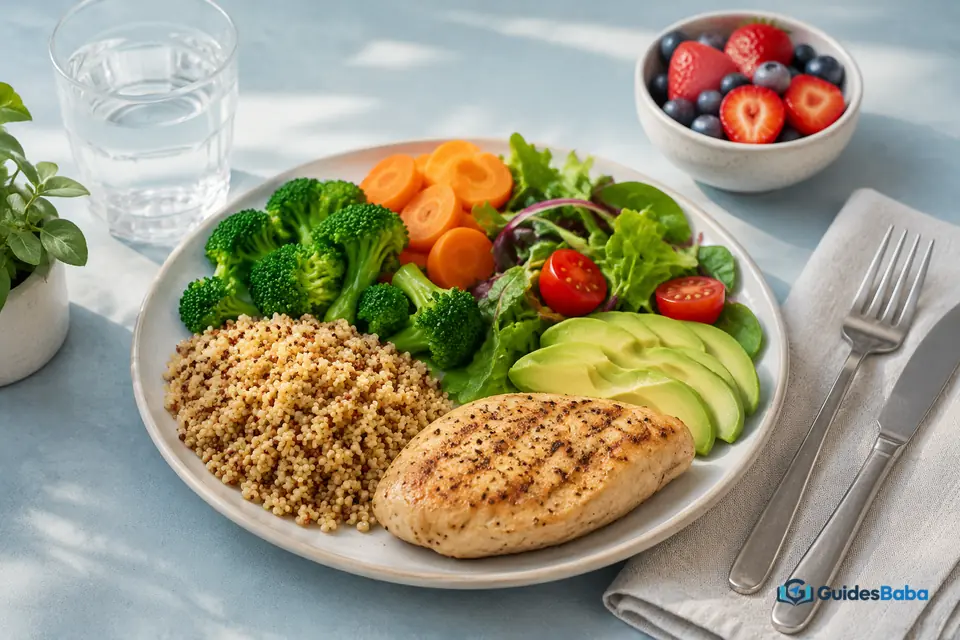
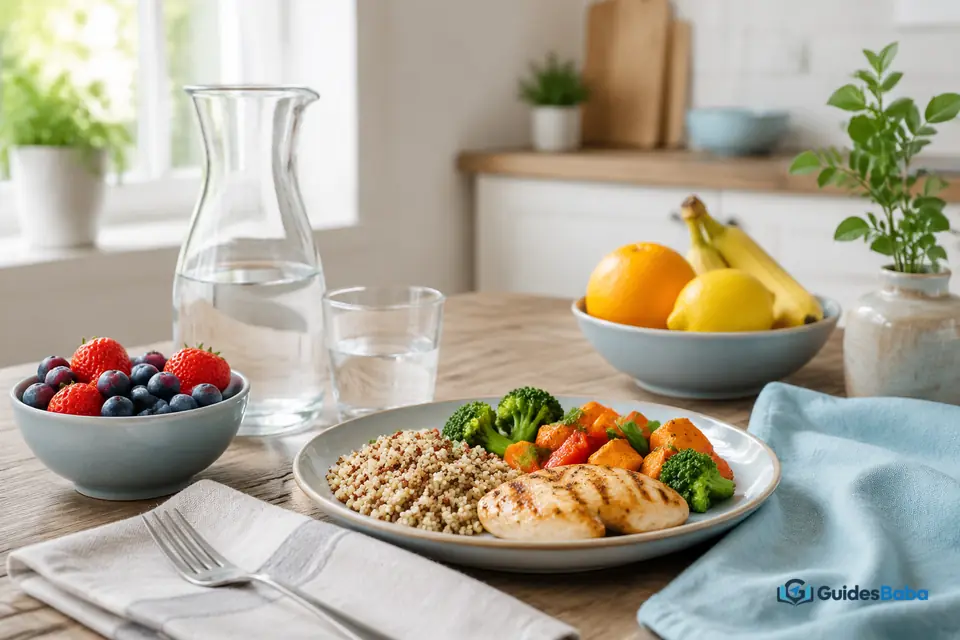
Everyone tells you to eat for two now. So how much extra food do you need during pregnancy? Is a second dinner really required? The truth is gentler than the myth.
Rather than doubling your meals, think small and steady. Your body grows more efficient during pregnancy. Extra needs rise only modestly for most people. Quality matters far more than quantity here. A little planning keeps things balanced.
Here is the honest answer. Most people need only a small energy increase. That increase usually arrives later in pregnancy. It equals a healthy snack, not a feast. Needs vary from person to person. Your doctor or midwife can guide your amount.
This guide covers what extra food really means. You will learn how needs shift by trimester. We focus on quality snacks and balance. This is not medical advice. See a professional.
So how much extra food do you need during pregnancy?
The honest answer surprises many people. The extra amount stays fairly small. It is nothing like a second meal.
Think of it like topping up a glass. You add a little, not a full jug. A wholesome snack often covers the gap. The exact amount depends on you. Your midwife can suggest what suits you.
Does everyone need the same extra? Not at all, as bodies differ widely. Weight, activity, and stage all matter. General ranges guide most people. A professional tailors the details. Your own body sets the pace.
Why eating for two is a myth
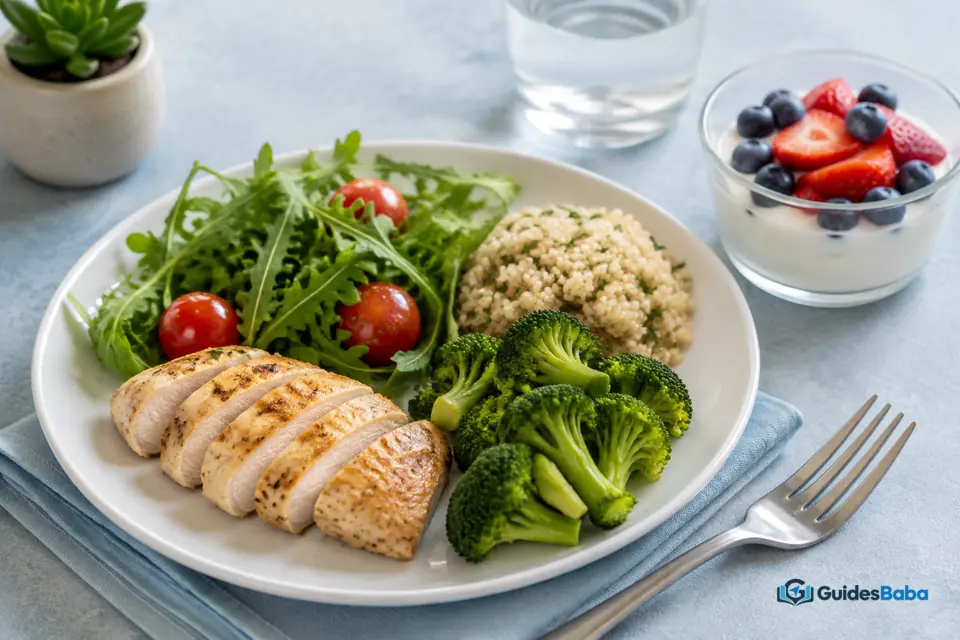
The phrase sounds caring but misleads. It suggests doubling every plate. Real needs rise far more gently.
Your body adapts cleverly during pregnancy. It absorbs and uses nutrients more efficiently. That reduces the need for huge portions. A dietitian can explain this simply. Small, steady additions work best.
The goal is nourishment, not overeating. You feed growth with quality food. Extra portions of junk help little. Focus on what the food gives you. Balance beats sheer volume. Nourishment is the real goal here.
Did you know?
For much of pregnancy, extra energy needs stay small. A wholesome snack often covers the gap.
What extra energy really means
Extra energy sounds technical but is simple. It means a modest food top-up. That top-up supports steady growth.
The increase usually equals a small snack. Think fruit with yoghurt or nut butter on toast. Whole foods make the top-up count. Empty snacks add little real value. Your midwife can suggest good options. Quality turns a small snack into real support.
You do not need to count every calorie. Steady, balanced eating serves you better. Watch hunger and fullness instead. Choose nourishing foods most of the time. Simple habits keep things easy. Consistency matters more than perfection.
Extra needs by trimester
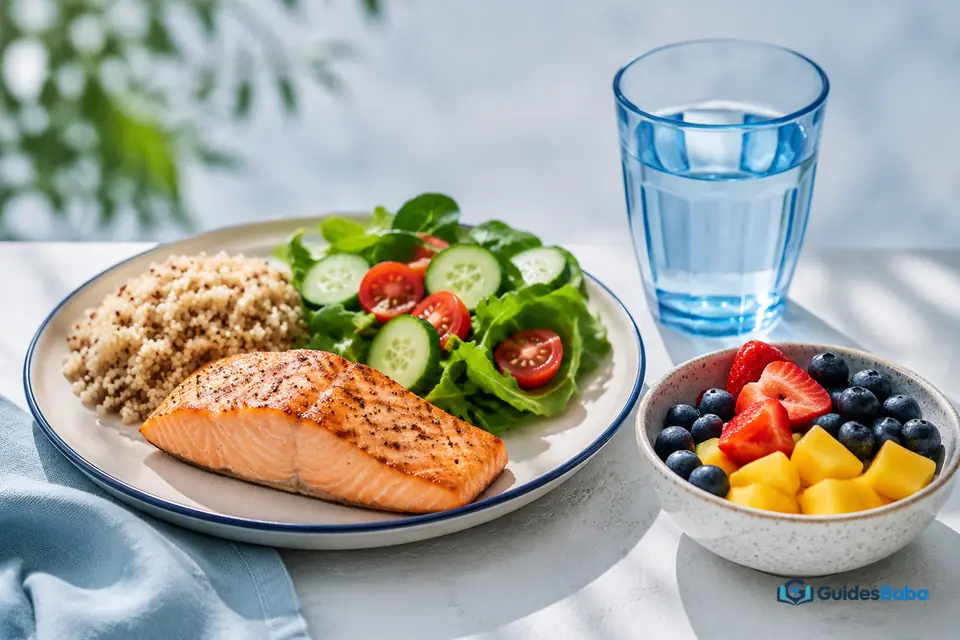
Needs are not the same throughout pregnancy. They shift as the baby grows. Later stages usually need a little more.
Early on, many people need almost no extra. The middle stage may bring a small rise. The final stage often needs the most. These are general patterns, not strict rules. Your care team can confirm your stage.
You should let the changes happen gradually. There is no need to jump early. Add a little as appetite grows. See our guide on what to eat during pregnancy. Adjust gently with professional support.
Quality over quantity
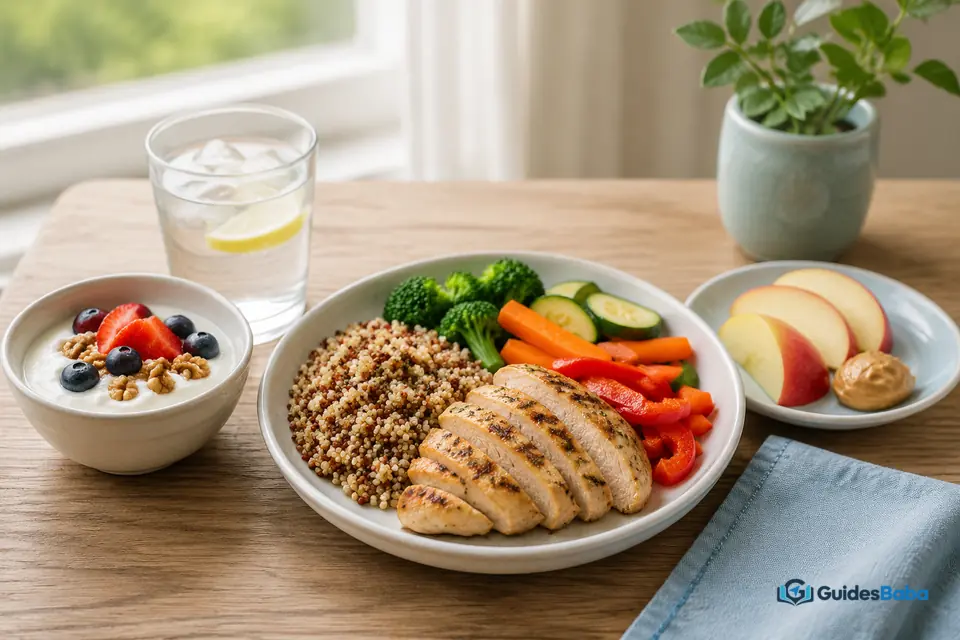
Extra food should earn its place. Quality decides the real benefit. A little good food beats lots of junk.
Choose foods rich in nutrients you need. Add protein, whole grains, and vegetables. Fruit and dairy make handy additions. See our guide to a balanced diet. Nourishing choices support you both.
You gain more from quality than quantity. Nutrient-dense snacks do double duty. They satisfy hunger and feed growth. Skip empty extras where you can. Smart choices make the extra matter. Every bite can carry real value.
Listening to hunger and fullness
Your body sends useful signals. Hunger and fullness guide your intake. Learning to read them helps a lot.
Eat when you feel genuinely hungry. Stop when you feel comfortably full. Regular meals prevent big swings. Gentle snacks smooth out the day. These cues beat any rigid rule.
You can trust your appetite most days. It often adjusts to your needs. Pair it with nourishing choices. Ask your midwife if appetite worries you. Balance guides steady eating.

Smart snacks that add value
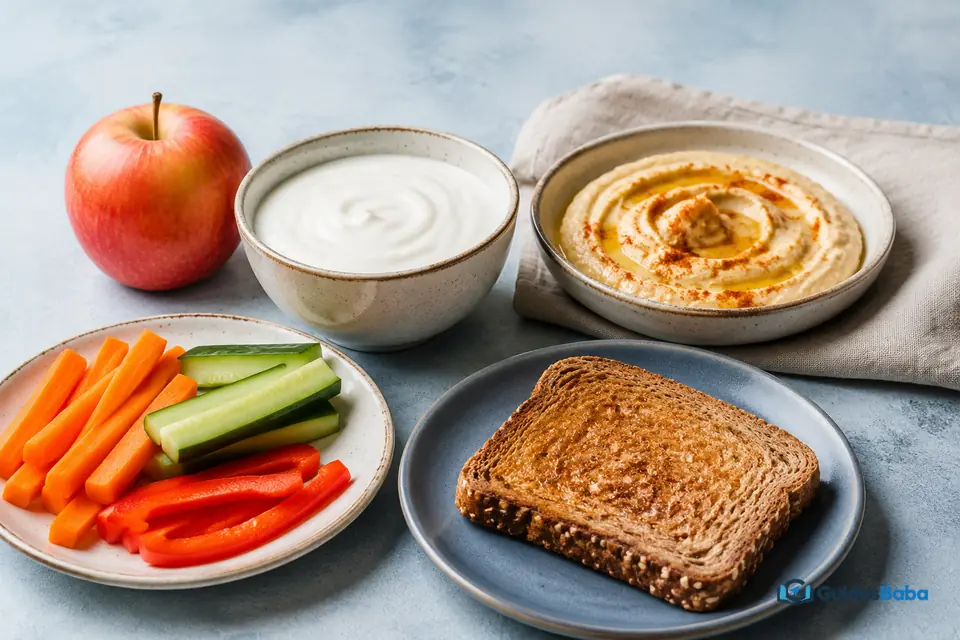
Snacks are where extra food often fits. The right ones do real work. They fill gaps and feed growth.
Try yoghurt with fruit or a handful of nuts. Wholegrain toast with egg works well. Vegetable sticks with hummus add fibre. See our guide to healthier everyday eating. These snacks pull their weight.
You can prepare snacks in advance. Ready options prevent poor last-minute choices. Keep fruit and nuts within reach. Balance protein, fibre, and healthy fats. Small habits make a big difference. A little prep saves the day.
Foods that add little value
Not all extra food helps. Some snacks bring energy but few nutrients. These deserve a smaller role.
Sugary drinks and sweets add empty energy. Crisps and pastries offer little else. They can crowd out better foods. Enjoy them only now and then. Nutrient-poor snacks should stay occasional.
You do not have to ban treats entirely. A small treat can bring joy. Just keep them as the exception. Let nourishing foods lead the way. Balance keeps everything realistic.
Eating for two versus eating with care
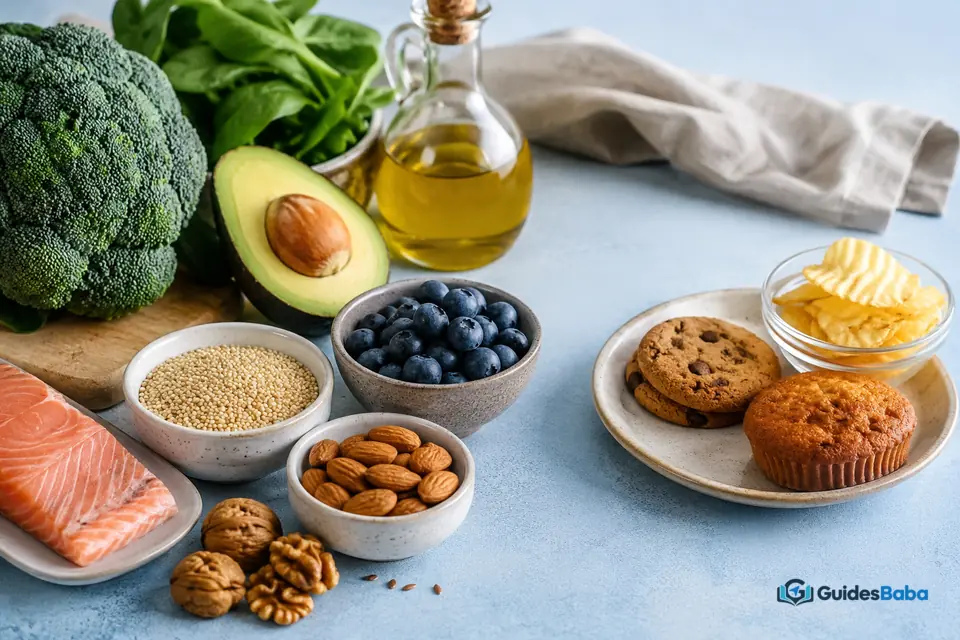
People often ask which mindset to follow. The clear comparison is eating for two versus eating with care. Each shapes the day differently.
| Eating for two | Eating with care |
|---|---|
| Doubles portions on every plate | Adds a small, wholesome top-up |
| Focuses on sheer quantity | Focuses on nutrient quality |
| Ignores hunger signals | Follows hunger and fullness |
| Same extra all pregnancy | Adjusts gently by trimester |
Use this table as a general guide only. Confirm the details with your own midwife. Your needs can differ from others. Personal advice always fits best.
Managing nausea and appetite
Early pregnancy can dull appetite. Nausea may make eating hard. Extra food feels far away then.
Small, frequent snacks often help most. Bland, dry foods can settle the stomach. Do not force big meals when queasy. Sip fluids and rest as needed. Your midwife can suggest gentle options.
You can catch up as appetite returns. Early weeks need little extra anyway. Focus on keeping food down. Choose whatever nourishing foods appeal. Kindness to yourself matters here. This phase usually passes soon.
Staying hydrated
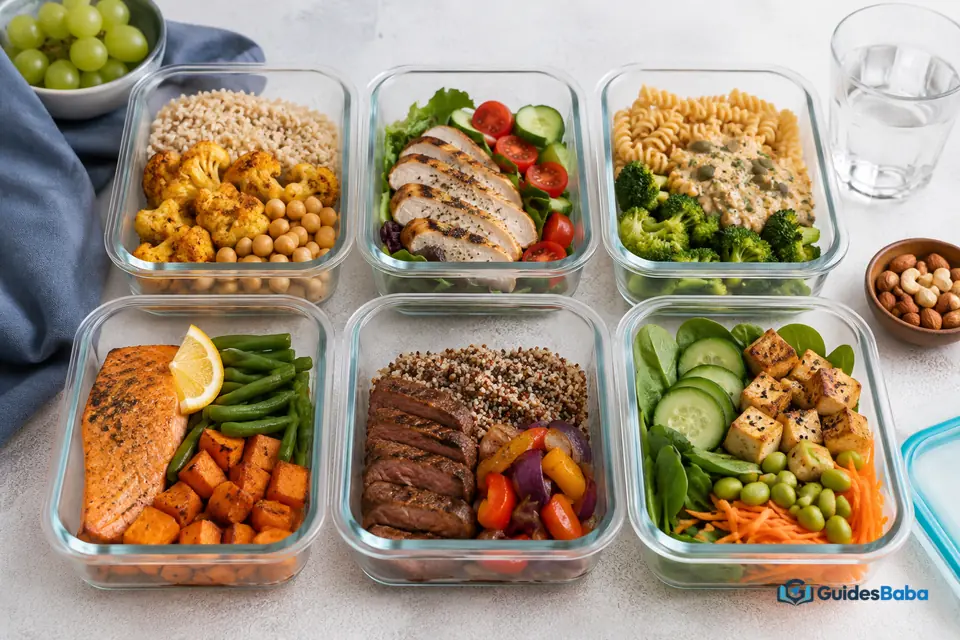
Food is only part of the picture. Fluids matter throughout pregnancy. Good hydration supports many processes.
Water is the simplest choice. Milk and diluted juice add variety. Watch caffeine in your drinks. Thirst can sometimes feel like hunger. A drink may settle a false craving.
You should sip fluids across the day. Keep a bottle within easy reach. Increase fluids in warm weather. Ask your midwife about your needs. Steady hydration supports steady energy. Water remains your simplest friend.
Whole carbs for steady energy
Carbohydrates fuel your busy days. The type of carb really matters. Whole options give steadier energy.
Choose wholegrain bread, oats, and brown rice. These release energy more slowly. They also add useful fibre. See our guide to healthy carbohydrate sources. Steady fuel supports steady moods.
You can build meals around whole carbs. Pair them with protein and vegetables. This keeps energy even for longer. Refined carbs spike and crash faster. Balance keeps your day smooth.
Protein for steady growth
Protein supports growing tissue every day. It also keeps you feeling full. A little extra can help later on.
Include beans, eggs, fish, or lean meat. Dairy and pulses add more protein. Spread it across your meals and snacks. Well-cooked options stay the safest choice. Your midwife can review your intake.
You can pair protein with whole carbs easily. This combination steadies energy and hunger. It makes snacks more satisfying too. Choose quality sources most of the time. Balance supports both of you. Simple pairings keep meals interesting.
Common mistakes people make
One common mistake is overeating early. Some double portions from week one. Early needs stay very small.
Another mistake is filling up on empty snacks. Sugary extras crowd out nutrients. Whole foods serve you far better. Keep treats as occasional joys. Quality should lead your choices.
Some people ignore their hunger cues entirely. They eat by rules, not by body. Learn to trust gentle signals. Pair them with nourishing food. Balance beats any strict plan. Your appetite is a helpful guide.
Twins and higher needs
Carrying twins changes the picture. Needs may rise more than usual. This calls for closer guidance.
A multiple pregnancy demands extra nutrients. Energy needs often climb higher too. Your care team monitors this closely. They tailor advice to your situation. Personal support matters even more here.
You should not simply guess the amount. General rules may not fit twins. Follow your midwife and doctor closely. Ask questions at each appointment. Expert guidance keeps you safe. Never guess your way through this.
Who needs tailored guidance
General advice suits most pregnancies well. Still, some people need personal care. Certain situations change the picture.
Existing conditions may alter your needs. Weight concerns and twins need attention. Your doctor understands your full history. Personal advice always beats general rules here. A short appointment can prevent problems.
This is not medical advice. See a professional for your own needs. Use these ideas as a friendly guide. Then adapt them with expert help.
Making it manageable
Extra food need not feel confusing. A few simple habits carry you. Small, steady choices win the day.
Add a wholesome snack when truly hungry. Build balanced meals around whole foods. Sip fluids and watch your energy. Ask questions at each antenatal visit. Steady habits make eating feel easy.
Above all, lean on your care team. Your midwife and doctor know you best. They turn general tips into personal plans. Trust their guidance over online noise. Their support keeps you confident.
Frequently asked questions
How much extra food do you need during pregnancy?
Most people need only a small increase. It often equals one wholesome snack.
Do I really eat for two?
No, that phrase is misleading. Real extra needs stay fairly small.
When do extra needs rise?
They usually rise later in pregnancy. Early weeks need almost nothing extra.
What are good extra snacks?
Try yoghurt, fruit, nuts, or wholegrain toast. Choose nutrient-rich options over empty ones.
Should I count calories?
Most people do not need to. Follow hunger, fullness, and quality instead.
What if nausea stops me eating?
Try small, frequent, bland snacks. Early weeks need little extra anyway.
Do I need extra food for twins?
Often yes, but needs vary. Your care team will guide you closely.
Can I eat treats during pregnancy?
Yes, in moderation and occasionally. Let nourishing foods lead most days.
Does hydration matter too?
Yes, fluids support many processes. Sip water steadily across the day.
Where can I get personal advice?
Speak with your doctor, midwife, or dietitian. They tailor advice to your needs.
The bottom line
So how much extra food do you need during pregnancy? Far less than the old myth suggests. Most people need only a small top-up. That increase mainly arrives later on. A wholesome snack often covers the gap.
You do not need to eat for two. Focus on quality and gentle balance. Follow hunger, fullness, and nourishing choices. Then let your care team guide the amount.
For more background, read this overview of nutrition and pregnancy and its guidance. You can also learn about food energy and how it works. Trusted sources help you plan wisely.
This is not medical advice. See a professional for your personal needs. Your doctor, midwife, or dietitian knows you best. Let their guidance shape your choices.