
You spot the word probiotics on yogurt labels everywhere. So what are probiotics exactly? Are they hype or something genuinely useful? Good gut microbes can be worth their weight in gold.
Rather than chasing miracle claims, look at the basics. Probiotics are live microbes, mostly friendly bacteria. You already host trillions of them inside you. Some foods and supplements add more. That simple idea drives the whole topic.
Here is the honest answer. Probiotics are live bacteria and yeasts that may benefit you. They mostly live in your digestive system. Certain foods deliver them through fermentation. Supplements offer them in concentrated form. They support a balanced gut, not a magic cure.
This guide covers what probiotics are and how they work. You will learn where to find them. We compare probiotics with prebiotics simply. This is not medical advice. See a professional.
So what are probiotics exactly?
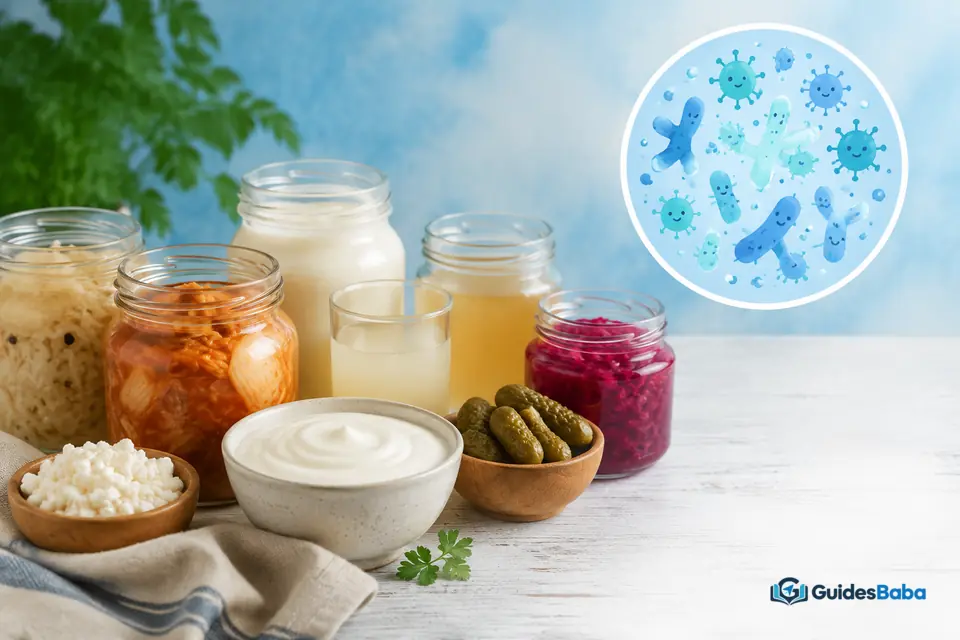
The honest answer sits in a single idea. Probiotics are live, helpful microbes. Most are friendly bacteria. A few are friendly yeasts too.
Think of your gut as a busy garden. Probiotics act like helpful new plants. They join the community already living there. A healthy garden stays balanced and diverse. These microbes support that balance.
Do they work instantly? Not really, as your gut needs time. Benefits build with regular intake. Consistency matters more than a single serving. Patience helps the process along.
What counts as a probiotic
Not every microbe is a probiotic. The term means live microbes with a benefit. They must reach your gut alive. The benefit is the key part.
Many come from specific bacterial families. Lactobacillus and Bifidobacterium are common examples. Some yeasts count as probiotics too. Each type behaves a little differently. Names on labels often look complex.
You do not need to memorise every strain. Focus on trusted foods and products. Variety usually beats chasing one type. A mixed diet supports a mixed gut. Simple choices work well here.
Did you know?
Your gut hosts trillions of microbes from hundreds of species. Together they weigh a surprising amount.
How probiotics work in your gut

Probiotics join your existing gut community. They compete with less helpful microbes. This can support better balance. The effect stays gentle overall.
Some produce helpful compounds during digestion. Others help keep the gut lining comfortable. A few interact with your immune system. These effects are gentle, not dramatic. The gut is a complex place.
Does more always mean better? Not necessarily, as balance is the goal. Your body prefers a diverse community. Flooding it with one strain rarely helps. Diversity supports steady function. Aim for a varied plate.
The gut microbiome explained
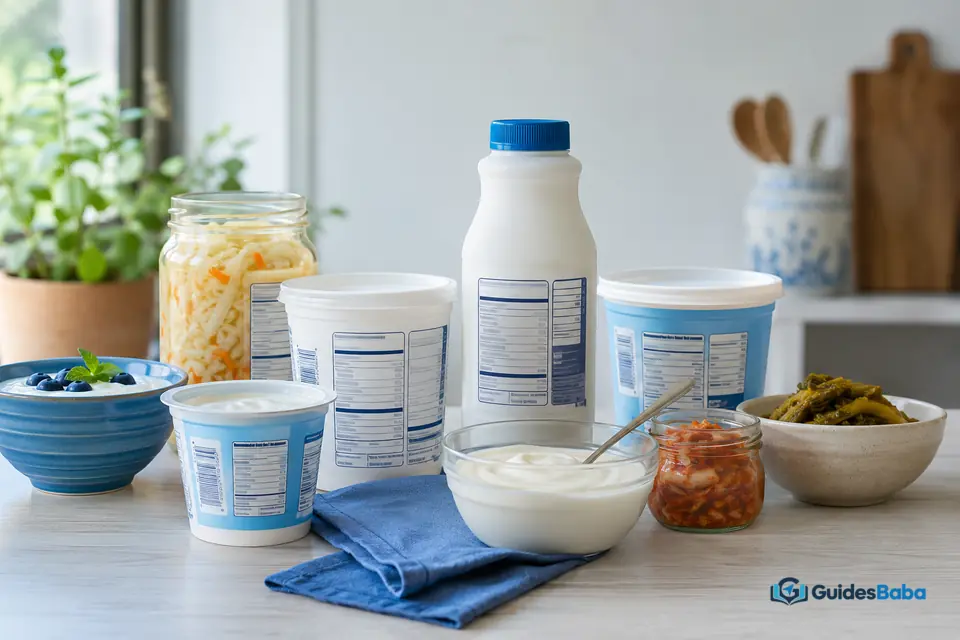
Your gut microbiome is a living ecosystem. It holds many species of microbes. They shape digestion and more. It is busier than most people realise.
This community starts forming early in life. Diet and environment shape it over time. Fibre-rich foods feed the helpful members. Every person carries a unique mix. No two microbiomes look the same.
You can nurture this ecosystem daily. Varied whole foods support it best. Learn which foods support healthy gut bacteria and lean on them. Small habits shape the community. Consistency guides the result.
Common probiotic foods to enjoy
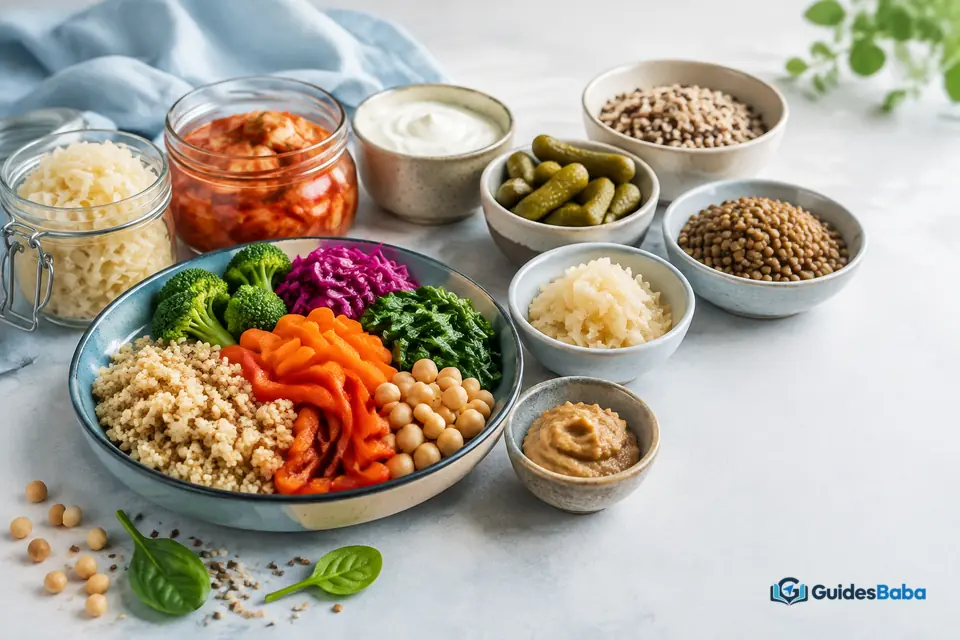
Many everyday foods carry live probiotics. Fermentation is the usual source. These foods can taste great. Many are simple pantry staples.
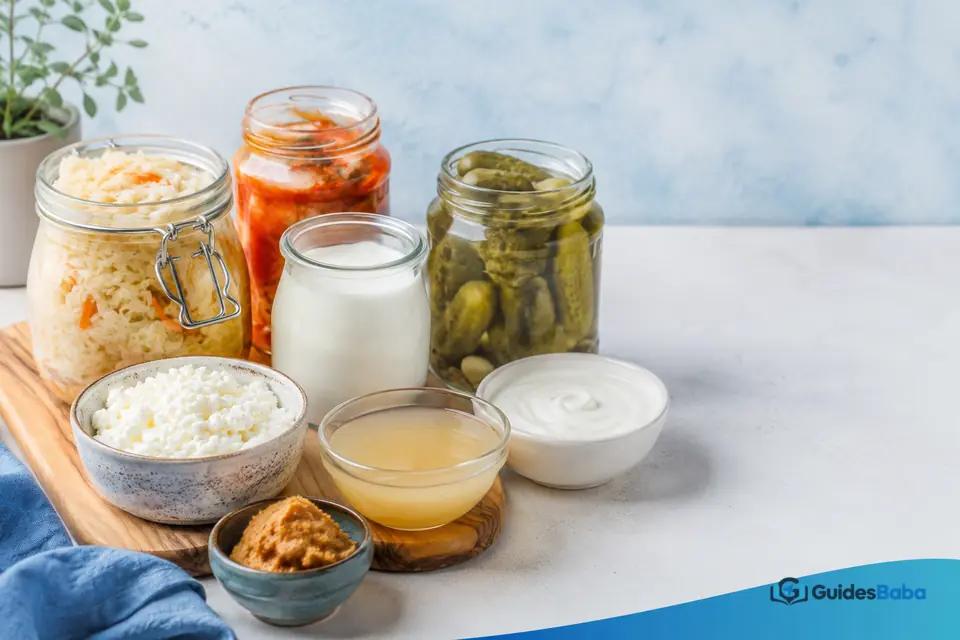
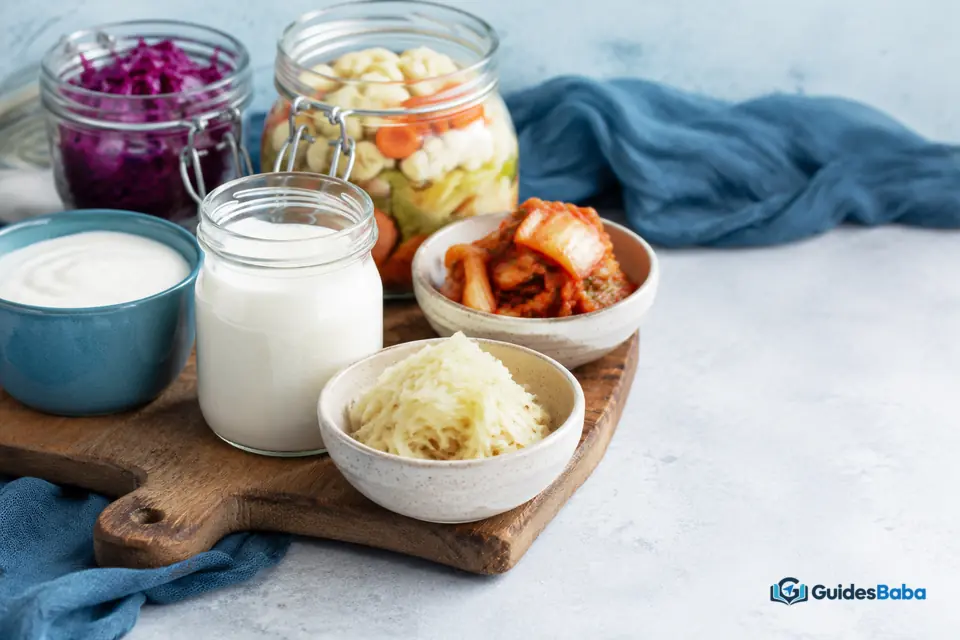
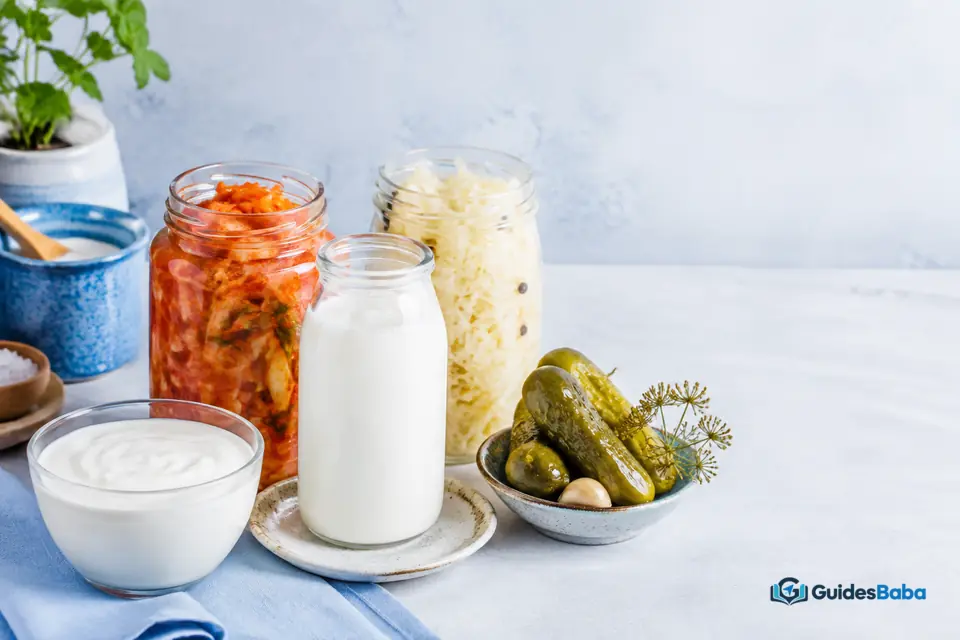
Yogurt with live cultures is a classic. Kefir offers a drinkable option. Sauerkraut and kimchi bring tangy flavour. Miso and tempeh add variety too. Fermented foods span many cuisines.
You can add these foods gradually. Start with small, regular servings. Choose products with live active cultures. A varied plate supplies varied microbes. Enjoyment keeps the habit going. Aim for a little each day.

Popular probiotic strains
Labels often list specific strain names. These describe the exact microbe inside. The detail can look intimidating. Do not let it worry you.
Lactobacillus strains appear in many products. Bifidobacterium strains are common as well. Some products blend several strains together. Different strains may suit different goals. Research on each one keeps growing.
You need not chase a perfect strain. A reputable product is a fine start. Consistency usually matters more than the label. Trust simple, well-made choices. Keep expectations realistic here.
Probiotics in supplements
Supplements offer probiotics in concentrated form. They come as capsules, powders, or drinks. Convenience is their main appeal. They fit a busy routine well.
Quality varies widely between products. Storage can affect how many microbes survive. Some need refrigeration to stay live. Reading the label carefully helps. Not every product delivers what it claims.
You do not always need a supplement. Many people get plenty from food. A supplement can help in some cases. Consider your own diet first. Whole foods remain a strong option. Food first is a sound rule.
Fermented foods and probiotics
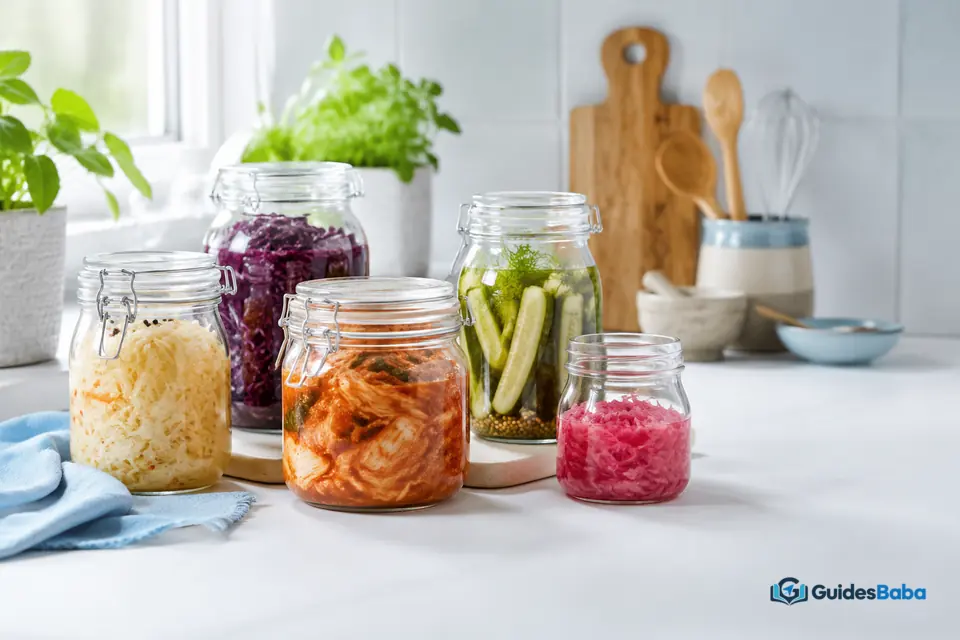
Fermentation is an ancient food tradition. Microbes transform sugars during the process. This creates tangy, complex flavours. Cultures worldwide have used it for ages.
Not every fermented food keeps live microbes. Baking and canning can destroy them. Heat often ends the live culture. Fresh, refrigerated versions usually keep more. Check the label for live cultures.
You can even ferment foods at home. Simple recipes need little equipment. Cleanliness keeps the process safe. Homemade options can be rewarding. Start small and learn as you go.
Possible benefits people notice
Many people report digestive comfort. Some notice more regular routines. Effects differ from person to person. Keep your hopes reasonable.
Researchers study probiotics for many reasons. Some effects link to digestion and balance. Others touch the immune system gently. Evidence varies by strain and situation. Claims should always stay modest.
You may notice changes over weeks. Others feel little difference at all. Both outcomes are completely normal. Bodies respond in their own way. Manage your expectations kindly. Notice how you personally feel.
What probiotics cannot do
Probiotics are helpful, not magical. They will not fix a poor diet. Balance still does the heavy lifting. Think of them as a small helper.
No single food guarantees perfect health. Probiotics work alongside other habits. Sleep, movement, and diet all matter. They form one part of the picture. Expect support, not miracles.
You should be wary of bold claims. Grand promises often oversell the science. Treat sweeping cures with caution. Steady habits beat quick fixes. Keep a healthy sense of doubt.
How probiotics compare with prebiotics
People often confuse two similar words. The clear comparison is probiotics versus prebiotics. Each plays a different role.
| Probiotics | Prebiotics |
|---|---|
| Live helpful microbes | Fibre that feeds those microbes |
| Found in fermented foods | Found in many plant foods |
| Add microbes to your gut | Nourish microbes already there |
| Yogurt, kefir, kimchi | Onions, garlic, oats, bananas |
Curious about the other half? Learn more about prebiotics and how they help. The two work best together. A good diet supplies both. Aim to include each of them.
Getting started safely
You do not need a dramatic overhaul. Start with one fermented food you enjoy. Add it a few times weekly. That gentle pace works well.
Introduce new foods slowly and gently. A sudden increase may cause mild bloating. Give your gut time to adjust. Water and fibre support the change. Ease in rather than rushing.
You can build variety over time. Rotate different fermented foods each week. Pair them with plenty of plants. A range of essential nutrients still comes from a full diet. Balance guides good choices.
Why fibre and diet still matter
Probiotics do not work alone. They rely on the food you eat. Fibre is especially important. Your daily plate really matters.
Fibre feeds the helpful microbes in your gut. Plants supply most of this fibre. Whole grains and legumes help too. A varied diet keeps microbes fed. Fibre and probiotics work together. Feed them well every day.
You should not lean on ferments alone. Vegetables and fruit round out the plate. These foods support the whole community. A balanced diet keeps things steady. Plants remain the foundation.
Common mistakes people make
One common mistake is expecting instant results. Benefits usually build slowly. Patience serves you better. Give the process real time.
Another mistake is adding too much too fast. This can upset a sensitive gut. A gentle start feels far better. Small servings ease the transition. Slow and steady wins here.
Some people rely on supplements alone. They forget the value of whole foods. Diet still shapes the gut most. Keep real food at the centre. Balance protects your health.
Are probiotics right for everyone
Probiotics suit many healthy adults. Still, they are not for everyone. Individual needs vary widely. One size does not fit all.
Most people tolerate fermented foods well. Some notice mild digestive changes at first. A few should take extra care. Personal health always shapes the choice. Listen to your own body.
You should choose what feels comfortable. There is no single right approach. Find foods you genuinely enjoy. Enjoyment supports a lasting habit. Fit the choice to you.
Who might need tailored guidance
General advice suits most healthy people. Still, some need personal care. Certain situations change the picture. A little caution goes a long way.
Those with weakened immune systems need caution. Some medical conditions require professional advice. Your doctor knows your full history. Personal guidance beats general rules here. A short chat can prevent problems.
This is not medical advice. See a professional before major changes. Use these ideas as a friendly guide. Then adapt them to your needs.
Making probiotics part of your routine
A lasting habit grows from small steps. Pick foods you can enjoy often. Extreme plans rarely stick around. Small and steady beats big and brief.
Keep a few ferments in your fridge. Add them to meals you already love. Pair them with fibre-rich plants. Simple routines are the most durable. Consistency delivers the real value.
Above all, listen to your own body. It signals comfort and balance. These cues guide your best choices. Trust them over any strict rule. Your comfort is the best guide. Enjoy the journey too.
Frequently asked questions
What are probiotics?
Probiotics are live, helpful microbes, mostly bacteria. They may support a balanced gut.
Where are probiotics found?
They appear in fermented foods and supplements. Yogurt, kefir, and kimchi are common sources.
Are probiotics safe?
Most healthy people tolerate them well. Some should ask a professional first.
Do probiotics help digestion?
Many people report better digestive comfort. Effects vary by person and strain.
How long until probiotics work?
Benefits often build over several weeks. Some people notice little change.
Are supplements better than food?
Not necessarily, as food offers variety. Supplements suit some situations better.
Can I take too many probiotics?
Adding too much too fast may cause bloating. A gentle start is wiser.
Do probiotics need refrigeration?
Some products do, and some do not. Always check the label instructions.
Are probiotics and prebiotics the same?
No, probiotics are live microbes. Prebiotics are fibre that feeds them.
Should everyone take probiotics?
No, needs differ from person to person. Choose what feels right for you.
The bottom line
So what are probiotics? They are live, helpful microbes. They mostly live in your digestive system. Fermented foods and supplements supply them. They support a balanced gut, not a cure.
You do not need to chase every strain. Start with one fermented food you enjoy. Feed your microbes with plenty of fibre. Keep your whole diet balanced and varied. Small steps add up over time.
For more background, read this overview of probiotics and their uses. You can also explore the gut microbiota in more depth. Use trusted sources to guide your habits.
This is not medical advice. See a professional for your personal needs. Choose foods that feel good and lasting. Then let steady habits do the work.