
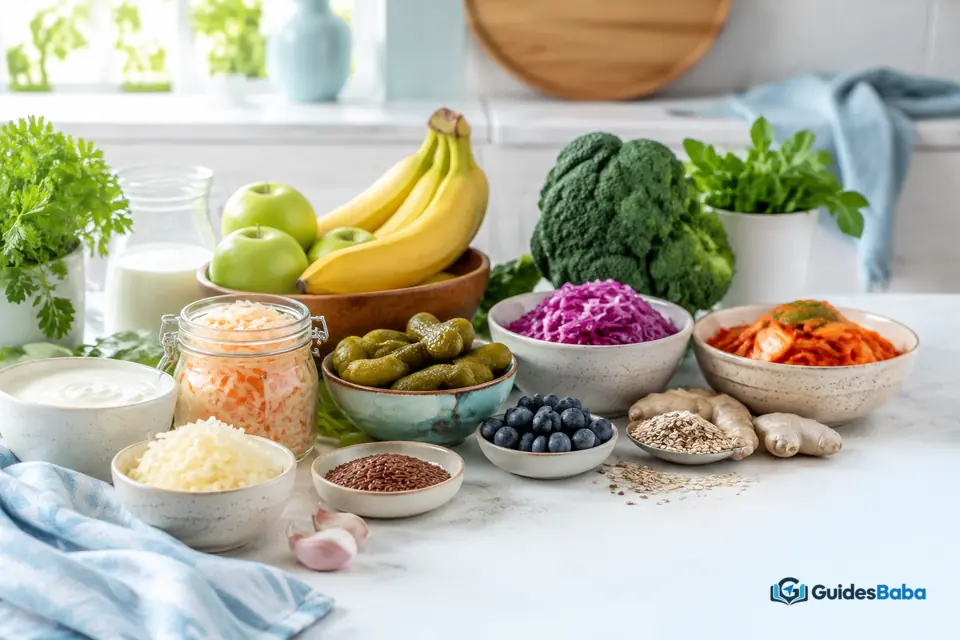
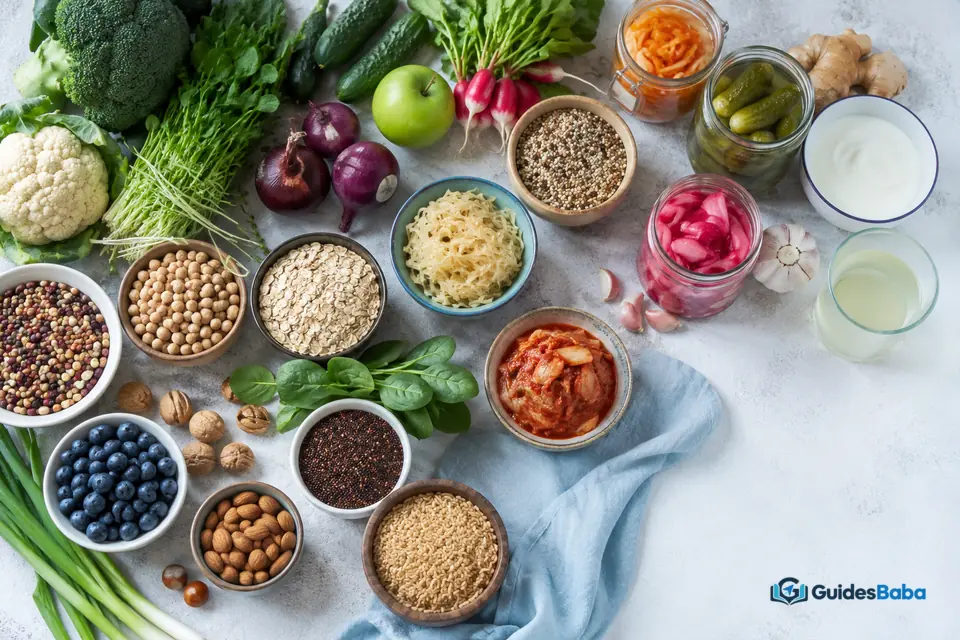
Your gut is home to trillions of tiny microbes. So what foods support healthy gut bacteria? Can your meals really shape your gut? You are what you eat rings true here.
Rather than hunting for a magic food, think variety. Gut bacteria thrive on diverse plants. They also enjoy fermented foods. Fibre feeds them, and ferments add more microbes. That simple idea drives the whole topic.
Here is the honest answer. No single food transforms your gut alone. Variety is the real secret. Fibre-rich plants feed your helpful bacteria. Fermented foods add live microbes. A colourful, varied plate supports the whole community.
This guide covers the foods that support gut bacteria. You will learn why fibre and ferments matter. We compare prebiotic and probiotic foods simply. This is not medical advice. See a professional.
So what foods support healthy gut bacteria?
The honest answer sits in one word. Variety feeds a healthy gut. No single food does it all. Range is the real goal.
Think of your gut as a garden. Many different plants keep it lively. A monoculture struggles over time. A diverse garden stays resilient. Your plate works the same way.
Do you need exotic foods? Not at all, as simple staples work. Everyday plants feed your microbes well. Fermented foods add helpful cultures. Ordinary meals can do the job. Simple food goes a long way.
Why your gut bacteria matter
Your gut bacteria do more than digest food. They help break down fibre you cannot. They also make useful compounds. Their balance affects how you feel.
A diverse gut community tends to be healthier. It resists upsets more easily. It supports steady digestion. It also interacts with your immune system. Diversity is the recurring theme.
You can shape this community daily. The food you choose feeds it directly. Helpful foods encourage helpful microbes. Poor choices can tip the balance. Your habits guide the result.
Did you know?
Eating many different plants each week supports a diverse gut. Variety may matter more than quantity.
Fibre-rich vegetables
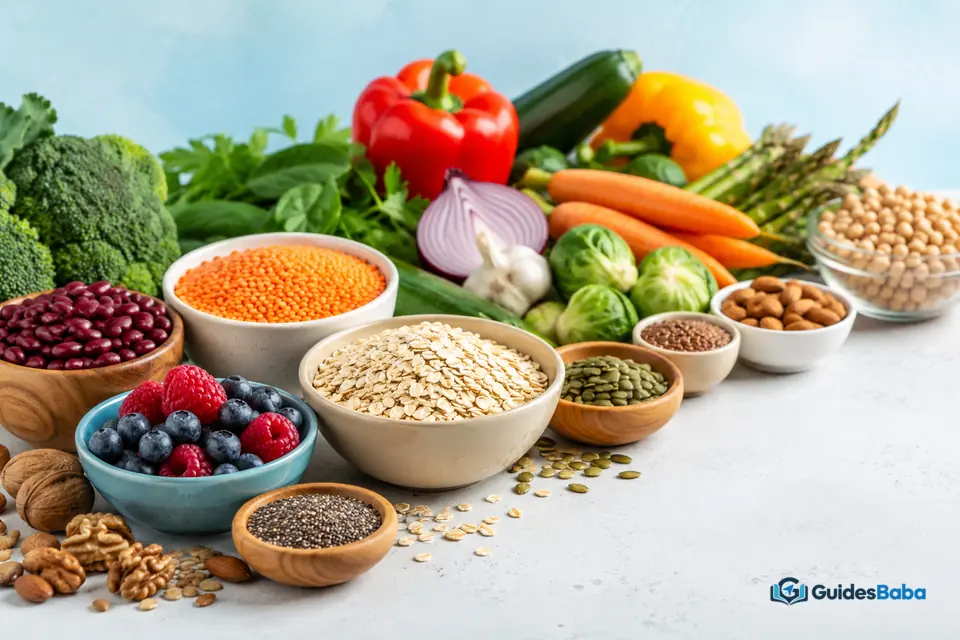
Vegetables are a gut-friendly cornerstone. They deliver plenty of fibre. That fibre feeds your helpful bacteria. Colour and variety both help.
Onions, garlic, and leeks are especially good. Carrots, broccoli, and asparagus help too. Each vegetable brings different fibres. Different fibres feed different microbes. A mixed plate covers more ground.
You can add vegetables to most meals. Aim for several colours each day. Raw and cooked both count. Many foods that contain the most fibre are vegetables. Fill half your plate with them.
Fruit that feeds your gut
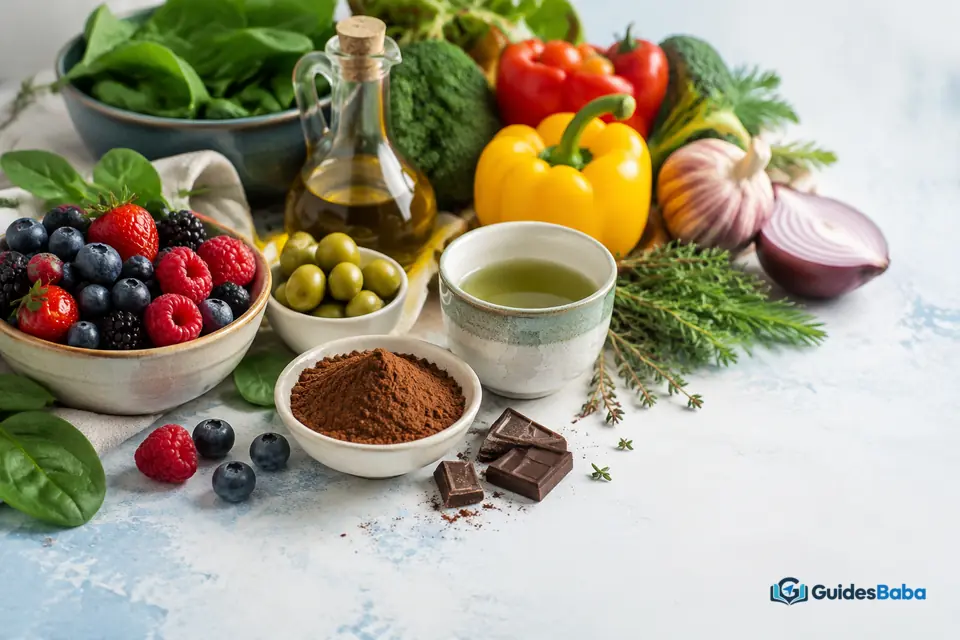
Fruit brings fibre and natural sweetness. It also carries helpful plant compounds. These support a healthy gut. Whole fruit beats juice here.
Bananas offer prebiotic fibre. Apples and berries add more still. Citrus fruit brings fibre and flavour. The skins often hold extra fibre. Variety keeps things interesting.
You should favour whole fruit over juice. Juice loses much of the fibre. Whole fruit keeps you fuller too. A piece of fruit makes an easy snack. Simple choices work best.
Whole grains and gut health
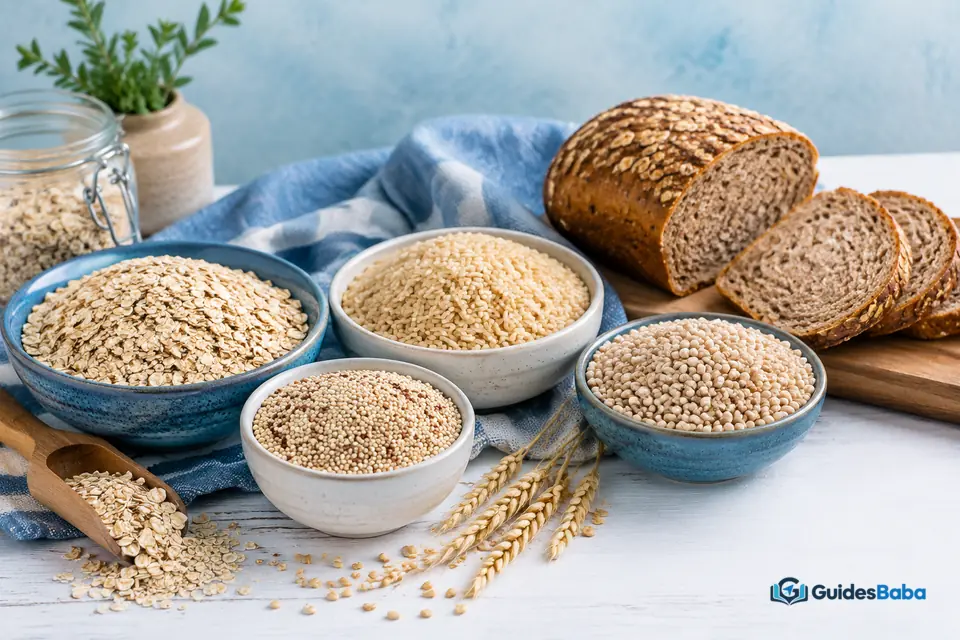
Whole grains keep their natural fibre. That fibre feeds your gut bacteria. Refined grains lose much of it. The difference matters for your gut.
Oats, brown rice, and barley are good picks. Whole wheat and rye help as well. These grains ferment slowly in your gut. Slow fermentation feeds helpful microbes. Choose whole over refined when you can.
You do not need to give up all refined grains. Simply favour whole versions more often. Small swaps add up over time. A whole-grain habit supports your gut. Balance keeps it realistic.

Legumes, beans, and lentils
Legumes are a gut-friendly powerhouse. They pack fibre and protein together. That fibre feeds your microbes well. They are affordable too.
Beans, lentils, and chickpeas lead the way. Peas and other pulses help as well. They ferment slowly in the gut. This feeds a range of bacteria. Legumes suit many dishes.
You can add legumes gradually. A sudden increase may cause gas. Start with small, regular servings. Your gut adjusts over time. Soaking and cooking well can help.
Fermented foods for live microbes

Fermented foods bring live microbes. These add to your gut community. Fibre feeds microbes, and ferments deliver them. Both roles support your gut.
Yogurt with live cultures is a classic. Kefir offers a drinkable choice. Sauerkraut and kimchi bring tangy flavour. Miso and tempeh add variety too. These foods span many cuisines.
You can add ferments slowly. Start with small, regular portions. Choose products with live active cultures. Learn more about probiotics and how they help. A little each day works well.
Nuts, seeds, and healthy fats
Nuts and seeds add fibre and healthy fats. They feed your gut and satisfy hunger. A small handful goes far. They make an easy snack.
Almonds, walnuts, and pistachios are good picks. Flaxseeds and chia seeds add more fibre. Olive oil brings gentle, healthy fat. These foods round out the plate. Variety helps here too.
You should keep portions sensible. Nuts are rich in calories. A small handful is plenty. Pair them with fruit or yogurt. Balance keeps it healthy. A little each day is plenty.
Leafy greens and the gut
Leafy greens are packed with nutrients. They bring fibre and plant compounds. Your gut bacteria enjoy them. They are light yet filling.
Spinach, kale, and rocket are great choices. Chard and cabbage help as well. These greens feed helpful microbes. They also carry vitamins and minerals. Add them to many meals.
You can eat greens raw or cooked. Salads and stir-fries both work. The most nutrient-dense leafy greens earn a regular spot. Aim for some greens daily. They support the whole body.
Foods that may harm gut balance
Some foods can tip the gut balance. Highly processed items lead the list. They often lack helpful fibre. Too much can crowd out better choices.
Sugary drinks and snacks offer little fibre. Heavily processed foods do the same. Too much of them may reduce diversity. They are best kept as occasional treats. Whole foods deserve the main role.
You do not need to ban any food. Balance matters more than strict rules. Enjoy treats in moderation. Keep whole foods at the centre. Moderation protects your gut.
How prebiotic foods compare with probiotic foods
People often mix up two food groups. The clear comparison is prebiotic versus probiotic foods. Each plays a different role. Together they support the gut.
| Prebiotic foods | Probiotic foods |
|---|---|
| Fibre that feeds microbes | Live microbes you eat |
| Onions, garlic, oats, bananas | Yogurt, kefir, kimchi |
| Nourish bacteria already there | Add new bacteria to the gut |
| Mostly raw or cooked plants | Mostly fermented foods |
Want to understand the fibre side better? Learn more about prebiotics and how they work. The two groups work best together. A good plate includes both.
Building a gut-friendly plate
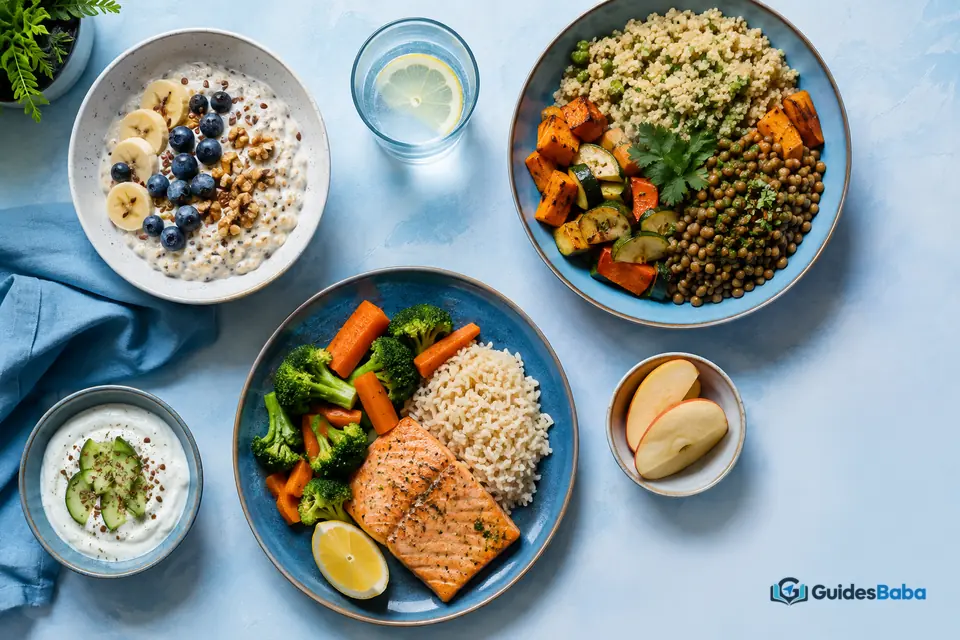
A gut-friendly plate is colourful and varied. Half of it can be vegetables. Add whole grains and protein too. A little ferment rounds it off.
Aim for several plant colours at each meal. Include a fibre-rich carbohydrate source. Add beans, fish, or lean protein. Finish with a spoon of yogurt or kimchi. Balance makes the plate work.
You do not need perfect meals every time. Small, steady choices add up. Focus on variety across the week. One colourful plate leads to another. Progress beats perfection here.
Why variety beats any single food
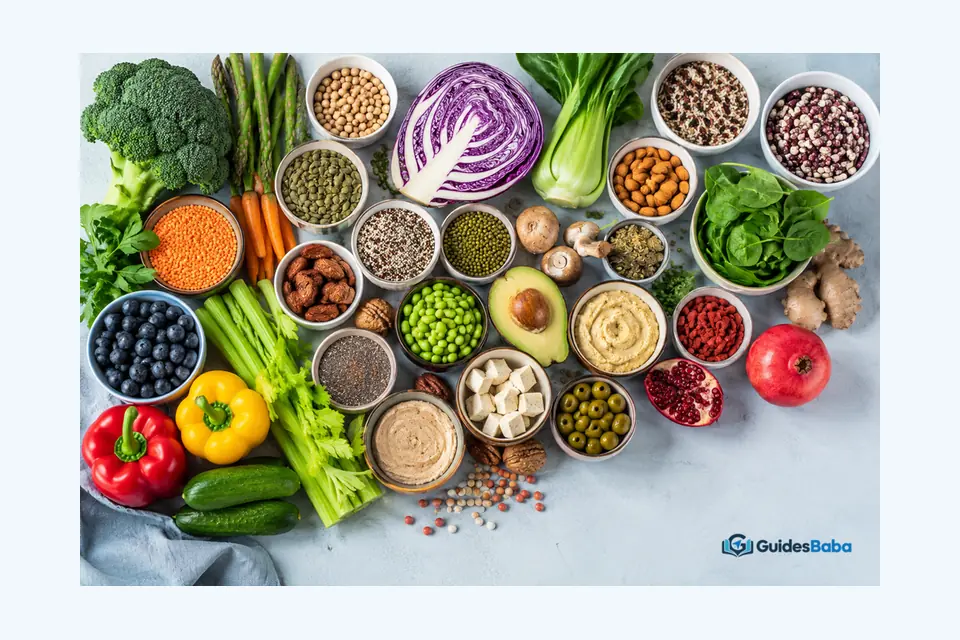
No single food is a gut miracle. Different microbes need different foods. Variety feeds the whole community. Range is the real winner.
A narrow diet feeds only some microbes. A varied diet feeds many more. This diversity supports a resilient gut. Mixing your plants pays off. Aim wide, not narrow.
You can rotate foods across the week. Try a new vegetable now and then. Swap grains and legumes for variety. Small changes broaden your intake. Variety keeps the gut thriving.
Common mistakes people make
One common mistake is adding fibre too fast. This can cause gas and bloating. A gentle increase feels far better. Slow and steady wins here.
Another mistake is relying on supplements alone. Whole foods offer far more variety. They feed a wider range of microbes. Keep real food at the centre. Supplements are only a helper.
Some people eat the same foods daily. This narrows their gut diversity. Try to mix things up often. A varied plate feeds a varied gut. Repetition limits the benefit.
Are these foods right for everyone
These foods suit many healthy adults. Still, they are not for everyone. Individual needs vary widely. One size does not fit all.
Most people tolerate plant fibre well. Some notice more gas at first. A few should take extra care. Certain gut conditions need caution. Listen to your own body.
You should choose what feels comfortable. There is no single right approach. Find foods you genuinely enjoy. Enjoyment supports a lasting habit. Fit the choice to you.
Who might need tailored guidance
General advice suits most healthy people. Still, some need personal care. Certain situations change the picture. A little caution goes a long way.
Those with sensitive guts need caution. Some conditions react to certain foods. Your doctor knows your full history. Personal guidance beats general rules here. A short chat can prevent problems.
This is not medical advice. See a professional before major changes. Use these ideas as a friendly guide. Then adapt them to your needs.
Making gut-friendly eating a routine
A lasting habit grows from small steps. Pick gut-friendly foods you enjoy often. Extreme plans rarely stick around. Small and steady beats big and brief.
Keep fruit and vegetables within easy reach. Add legumes and whole grains to meals. Include a ferment a few times weekly. Simple routines are the most durable. Consistency delivers the real value.
Above all, listen to your own body. It signals comfort and balance. These cues guide your best choices. Trust them over any strict rule. Your comfort is the best guide.
Frequently asked questions
What foods support healthy gut bacteria?
Fibre-rich plants and fermented foods lead the way. Variety matters more than any single food.
Are vegetables good for the gut?
Yes, vegetables deliver plenty of fibre. That fibre feeds your helpful bacteria.
Do fermented foods help gut bacteria?
Yes, they add live microbes to your gut. Yogurt, kefir, and kimchi are common.
Is fibre important for gut health?
Yes, fibre feeds your helpful microbes. A varied fibre intake supports diversity.
Can any single food fix my gut?
No, variety is the real secret. A colourful, varied plate works best.
Are whole grains better than refined ones?
Whole grains keep more natural fibre. That fibre feeds your gut bacteria.
How many plant foods should I eat?
Aim for many different plants weekly. Variety supports a diverse gut community.
Do processed foods harm the gut?
Too many may reduce gut diversity. Enjoy them in moderation instead.
Should I add fibre quickly?
No, increase fibre slowly and gently. A gradual approach avoids bloating.
Are these foods right for everyone?
No, some people need extra care. Choose what feels right for you.
The bottom line
So what foods support healthy gut bacteria? Fibre-rich plants feed your helpful microbes. Fermented foods add live cultures. Variety across the week matters most. A colourful plate supports the whole community.
You do not need any single miracle food. Fill half your plate with vegetables. Add whole grains, legumes, and fruit. Include a ferment now and then. Small, steady choices add up.
For more background, read this overview of the gut microbiota and its role. You can also explore dietary fibre in more depth. Use trusted sources to guide your habits.
This is not medical advice. See a professional for your personal needs. Choose foods that feel good and lasting. Then let steady habits do the work.