
You load your plate with greens and beans. Still you wonder if it is truly enough. So how can vegetarians get enough iron? At first this can feel like an uphill battle.
Rather than fretting, learn a few smart tricks. Plant foods do contain plenty of iron. Your body absorbs it a little differently. Small habits boost how much you take in. The whole thing is simpler than it looks.
Here is the honest answer. Vegetarians can get enough iron from plants. Beans, lentils, tofu, and greens all help. Pair them with vitamin C for better absorption. Eat a good variety across the day. A little planning covers your needs.
This guide covers where plant iron hides. You will learn how to absorb more. We compare heme and non-heme iron. This is not medical advice. See a professional.
So how can vegetarians get enough iron?
The honest answer is yes, with a plan. Plant foods carry plenty of iron. Smart pairing helps your body use it.
Think of iron like a shy guest. It needs a warm welcome to stay. Vitamin C rolls out that welcome mat. Eat the two foods together often. Absorption improves with this simple habit.
Do vegetarians really fall short on iron? Not usually, when meals are varied. Beans, greens, and grains do the work. A thoughtful plate covers your needs.
What iron does in the body
Iron is a quiet but vital mineral. It helps carry oxygen in your blood. Every cell depends on that oxygen.
Iron sits inside your red blood cells. It moves oxygen from lungs to muscles. Low iron can leave you tired. It may also sap your focus. A steady supply keeps energy up.
Iron supports your immune system too. It helps many small body processes. These minerals your body needs all matter. Iron ranks among the most important.
Two types of iron explained
Iron comes in two main forms. One is heme iron from animals. The other is non-heme iron from plants.
Heme iron appears in meat and fish. Your body absorbs it quite easily. Non-heme iron fills plant foods. It absorbs less readily on its own. Vegetarians rely on this second type.
This difference sounds like a problem. In practice it is easy to manage. Vitamin C lifts non-heme absorption sharply. Variety and pairing solve the gap. Plant iron works well with planning.
Did you know?
Vitamin C can greatly boost plant iron absorption. A squeeze of lemon on greens really helps.
Best plant sources of iron
Many everyday plants are rich in iron. Beans and lentils lead the list. Leafy greens and seeds help too.
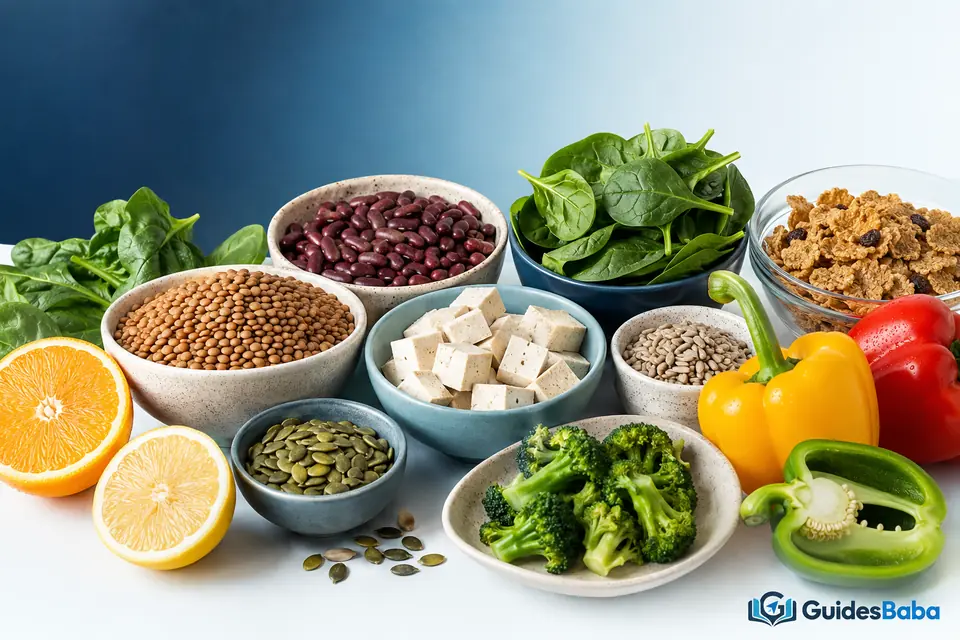
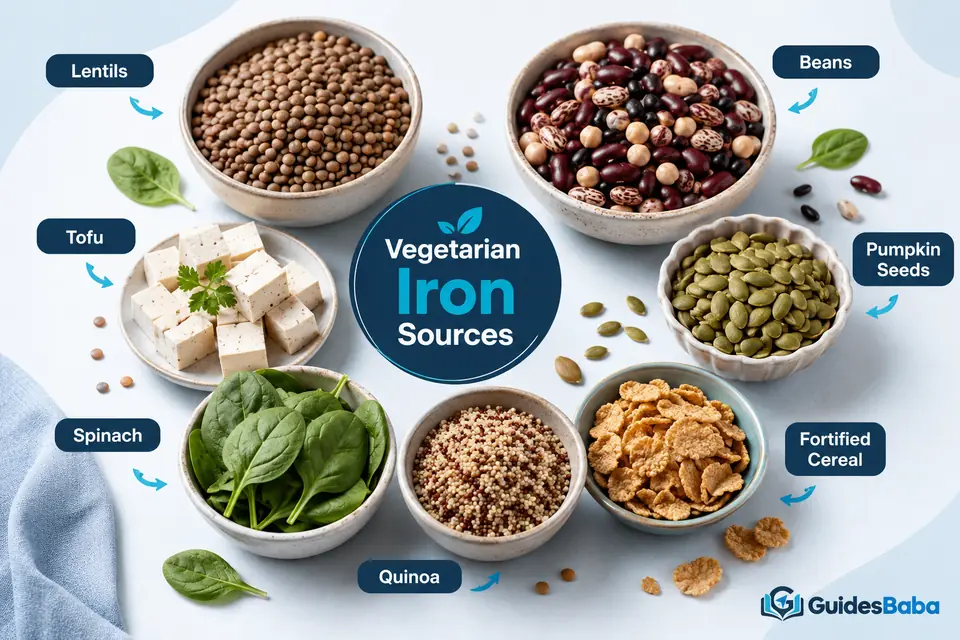
Lentils, chickpeas, and beans are excellent. Tofu and tempeh add useful iron. Pumpkin seeds and cashews contribute as well. These foods highest in iron deserve a spot. Rotate them through your week.
Dark leafy greens also bring iron. Spinach and kale are classic choices. Dried fruit like apricots can help. Fortified cereals add a reliable boost. Variety keeps your intake steady.
How vitamin C boosts iron absorption
Vitamin C is iron’s best friend. It helps your gut absorb plant iron. The effect can be quite strong.
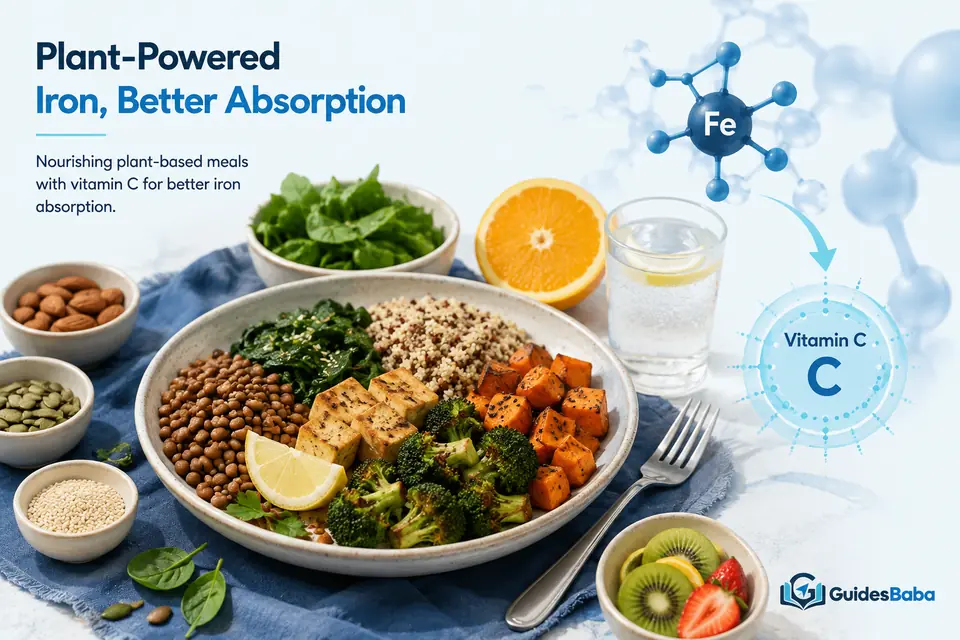
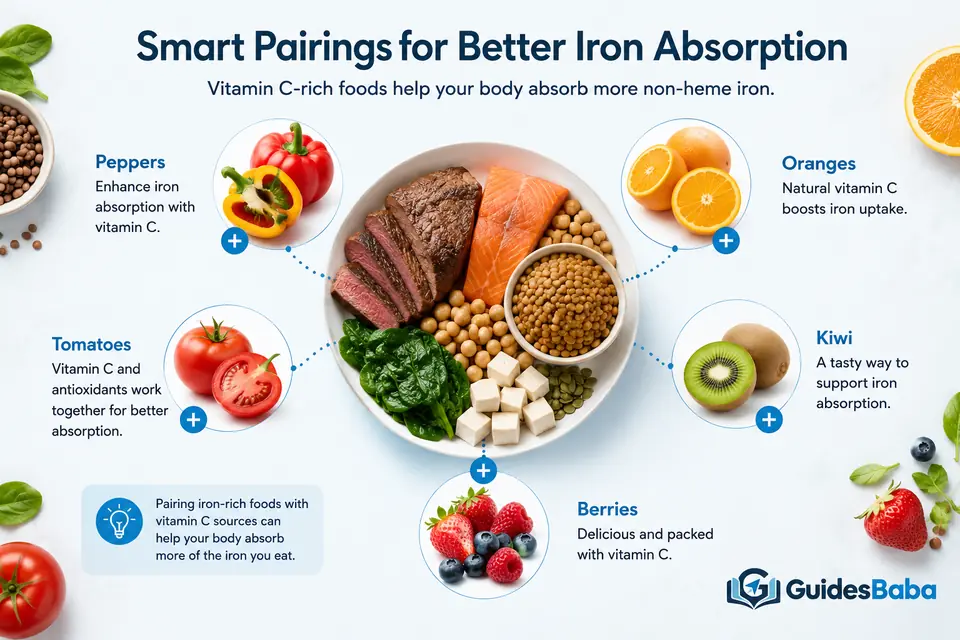
Add citrus, peppers, or tomatoes to meals. A little fruit alongside beans helps. Even a squeeze of lemon works. This pairing turns good meals into better ones. Small tweaks make a real difference.
Plan your plates with this in mind. Combine iron foods with vitamin C sources. Berries, oranges, and broccoli all count. The habit soon feels natural. Absorption quietly improves over time.
Foods that can block iron absorption
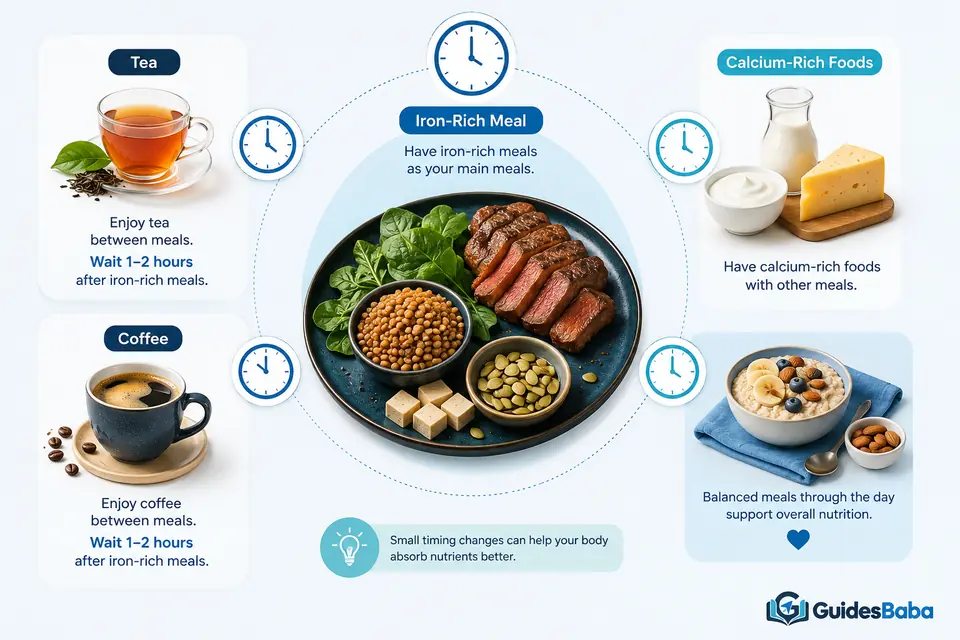
Some foods make iron harder to absorb. Tea and coffee are common culprits. Timing helps you work around them.
Tannins in tea can bind iron. Coffee has a similar effect. Enjoy them between meals instead. Give your iron foods a clear run. A small gap protects absorption.
Very high-calcium foods can compete too. This does not mean you avoid them. Just spread them across the day. Balance beats cutting foods out. Timing is a gentle tool.
How much iron you need
People often ask about the right amount. Needs vary by age and stage. Women often need more than men.
Official guidelines set sensible daily targets. A varied vegetarian diet can meet them. Some groups need a little extra care. Growth and monthly cycles raise the need. A professional can confirm your target.
Avoid setting your own strict numbers. Follow trusted guidance and food labels. A dietitian can tailor advice to you. Your personal needs may shift over time.
Signs of low iron to watch
Low iron can build up slowly. Symptoms may appear before you notice. Knowing the signs helps you act.
Tiredness and weakness are common early clues. Pale skin and breathlessness can follow. Some people feel dizzy or foggy. These signs have many possible causes. Only a professional can confirm them.
Do not try to diagnose yourself. See a doctor if you feel unwell. A simple blood test can help. Early action prevents bigger problems. This is not medical advice.

Heme versus non-heme iron
People often ask how the two differ. This clear comparison sets heme against non-heme iron. It shows what vegetarians work with.
| Heme iron | Non-heme iron |
|---|---|
| Found in meat and fish | Found in plant foods |
| Absorbed fairly easily | Absorbed less readily alone |
| Less affected by other foods | Boosted greatly by vitamin C |
| Not used by vegetarians | The main vegetarian source |
Vegetarians rely fully on non-heme iron. Smart pairing lifts how much you absorb. Variety keeps your intake reliable. The plant route works with a little care.
Iron-rich meals for vegetarians
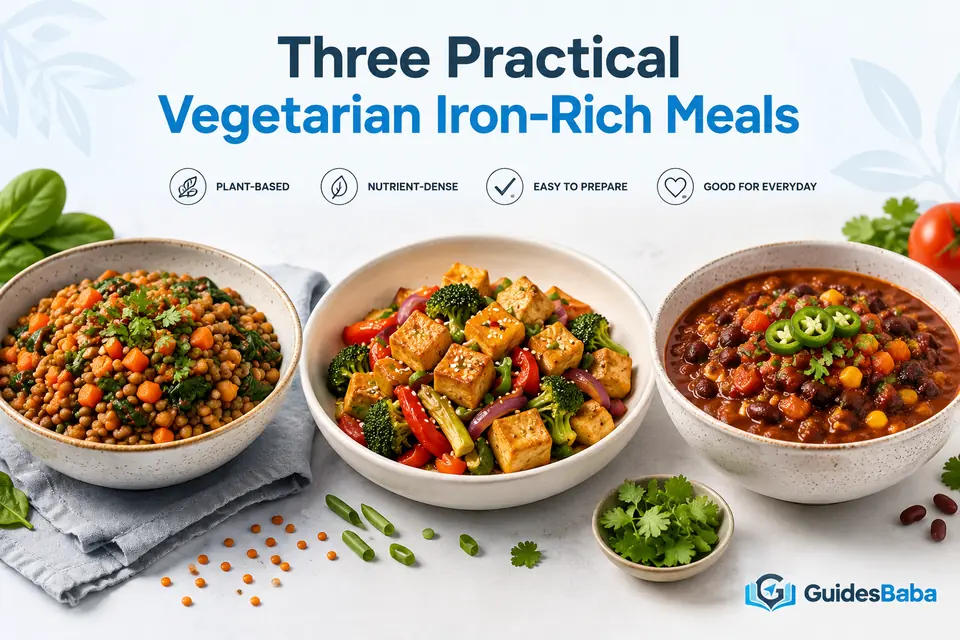
Building iron-rich meals is simple. Start with a good plant iron source. Then add a vitamin C food.
Try lentil soup with a tomato base. Add peppers to a chickpea stir-fry. Serve beans with a citrus salad. These nutrient-dense leafy greens fit well too. Simple combinations do the job.
Breakfast can help your iron too. Fortified cereal with fruit is easy. Wholegrain toast with beans works well. Spread iron foods across the day. Steady intake beats a single big meal.
Cooking tips to boost iron
How you cook can affect iron. A few habits help you gain more. They are easy to build in.
Soaking and sprouting beans can help absorption. Cooking in a cast iron pan adds iron. Pair dishes with a vitamin C food. Keep tea and coffee for later. Small steps stack up nicely.
Do not overcomplicate your kitchen routine. A few smart pairings go far. Fresh, varied meals cover the basics. Enjoy the process of cooking.
Should vegetarians take iron supplements?
Many vegetarians never need supplements. A varied diet usually covers iron. Still, some people benefit from them.
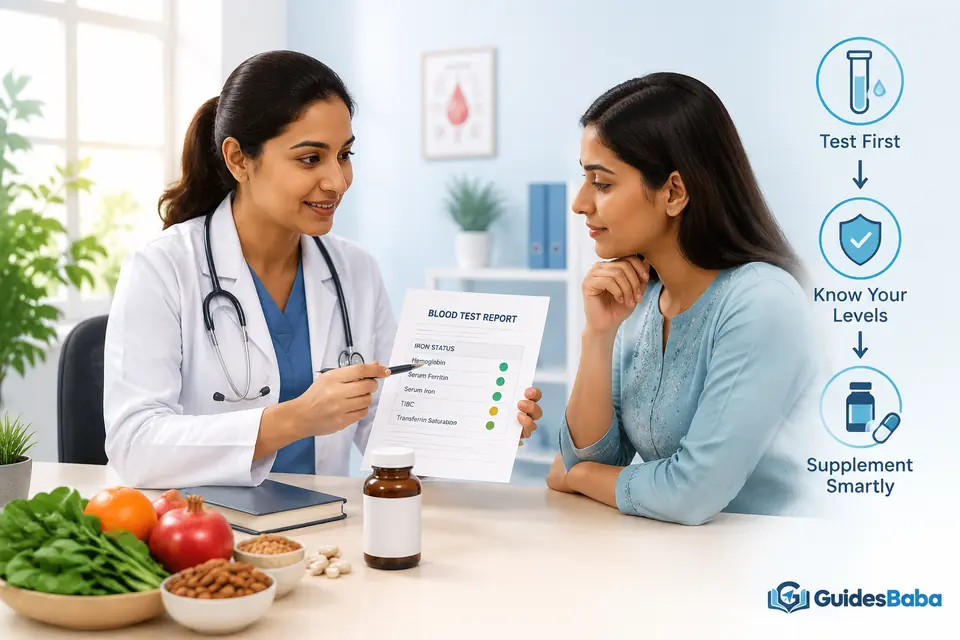
Supplements suit those with low levels. A doctor may suggest them after testing. Never start high doses on your own. Too much iron can cause harm. Professional guidance keeps you safe.
Food should stay your first approach. Supplements fill gaps when truly needed. A blood test guides the decision. Follow your doctor’s advice closely. This is not medical advice.
Iron for women and growing teens
Some groups need extra iron care. Women often need more than men. Growing teens have higher demands too.
Monthly cycles can raise iron needs. Rapid growth uses iron quickly. Vegetarian teens should eat varied meals. Include iron foods and vitamin C often. A professional can check their status.
These nutrients vegetarians pay attention to include iron. Regular meals keep levels steady. Watch for signs of tiredness. A quick check can reassure you. Personal advice always helps.
Iron for pregnant vegetarians
Pregnancy raises iron needs sharply. The body builds extra blood then. Careful planning becomes very important.
A varied diet remains the foundation. Iron foods and vitamin C help daily. A doctor may recommend a supplement. Needs are higher during this stage. Expert support keeps mother and baby well.
Do not guess your own doses here. Professional care is essential in pregnancy. Regular checks catch any shortfall early. See a doctor or dietitian promptly. This is a time for expert advice.
How the body stores and uses iron
Your body handles iron with care. It stores a reserve for later use. This buffer smooths out daily gaps.
Iron is recycled inside the body. Old blood cells release it for reuse. Your gut also absorbs new iron. Stores rise and fall gently over time. A steady diet keeps them healthy.
This is why one low day matters little. Your reserve covers small dips easily. Long-term habits shape your real status. Focus on steady intake over weeks.
Common iron mistakes to avoid
One common mistake is ignoring vitamin C. Iron foods work far better paired. Skipping that habit wastes good meals.
Another mistake is drinking tea with meals. Tannins can block iron absorption. Move your cup to between meals. This simple change helps a lot. Timing is an easy win.
Some people rely on one food only. Variety spreads your iron sources wisely. Others self-prescribe strong supplements. That can be risky without testing. Seek advice before high doses.
Building an iron-friendly routine
A steady routine makes iron easy. Plan a few reliable meals. Repeat what leaves you feeling strong.
Keep beans, lentils, and greens stocked. Add a vitamin C food each meal. Save tea and coffee for later. Small habits build a solid base. Consistency does the quiet work.
Review how you feel over time. Adjust meals as your needs change. A professional can check your levels. Simple systems protect your health. Routine removes the daily guesswork.
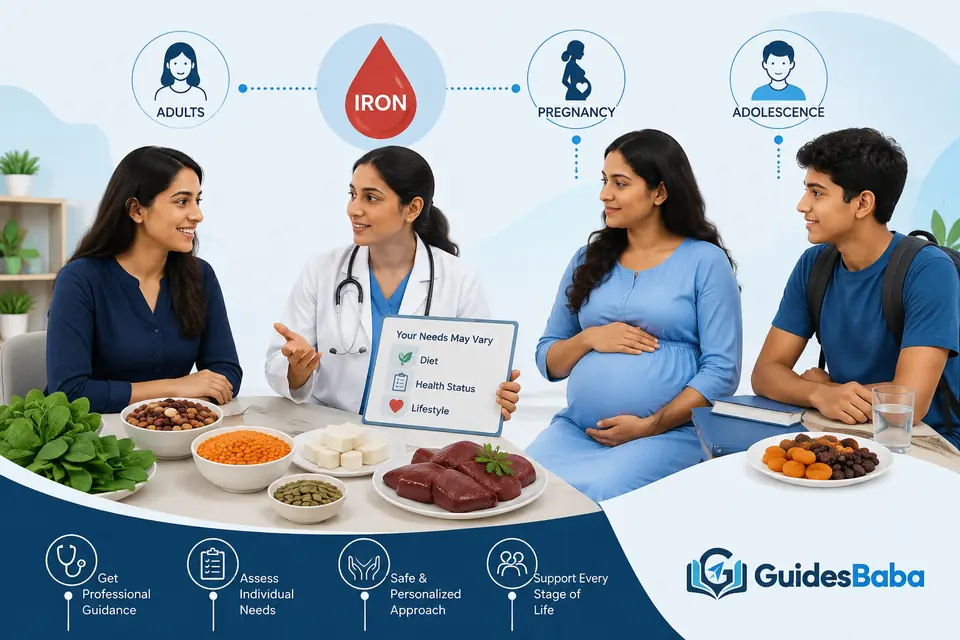
Who should get personal advice
General tips suit many healthy vegetarians. Still, some people need tailored care. Certain situations change the picture.
Pregnant women and teens need extra attention. Some medical conditions affect iron use. Heavy periods can raise the need. A dietitian can build a safe plan. Personal advice beats general rules here.
This is not medical advice. See a professional for your own situation. Use these ideas as a friendly guide. Regular checks keep you on track.
Frequently asked questions
Can vegetarians get enough iron from plants?
Yes, varied plant meals supply plenty of iron. Pairing with vitamin C helps absorption.
What plant foods are highest in iron?
Beans, lentils, tofu, and seeds rank high. Leafy greens and dried fruit help too.
Why does vitamin C help with iron?
Vitamin C boosts non-heme iron absorption. A citrus or pepper side dish helps.
Does tea affect iron absorption?
Yes, tannins in tea can block iron. Enjoy tea between meals instead.
What is the difference between heme and non-heme iron?
Heme iron comes from animal foods. Non-heme iron comes from plant foods.
What are signs of low iron?
Tiredness, pale skin, and breathlessness can appear. Only a professional can confirm the cause.
Do vegetarians need iron supplements?
Many do not need supplements at all. A doctor may advise them after testing.
Do women need more iron?
Women often need more iron than men. Monthly cycles raise their needs.
Is iron important during pregnancy?
Yes, pregnancy raises iron needs sharply. A doctor should guide your plan.
Can too much iron be harmful?
Yes, high doses can cause harm. Only supplement under professional advice.
The bottom line
So how can vegetarians get enough iron? Eat a good variety of plant iron foods. Beans, lentils, tofu, and greens all help. Pair them with vitamin C for better absorption. Keep tea and coffee for between meals.
Watch for signs of low iron over time. Some groups need a little extra care. A blood test can guide any concern. Food should stay your first approach.
For more background, read this overview of iron as a nutrient. You can also explore how vitamin C supports absorption. Use trusted sources to guide your habits.
This is not medical advice. See a professional for your personal needs. Build iron-friendly meals that suit your taste. Then enjoy your vegetarian plate with confidence.