
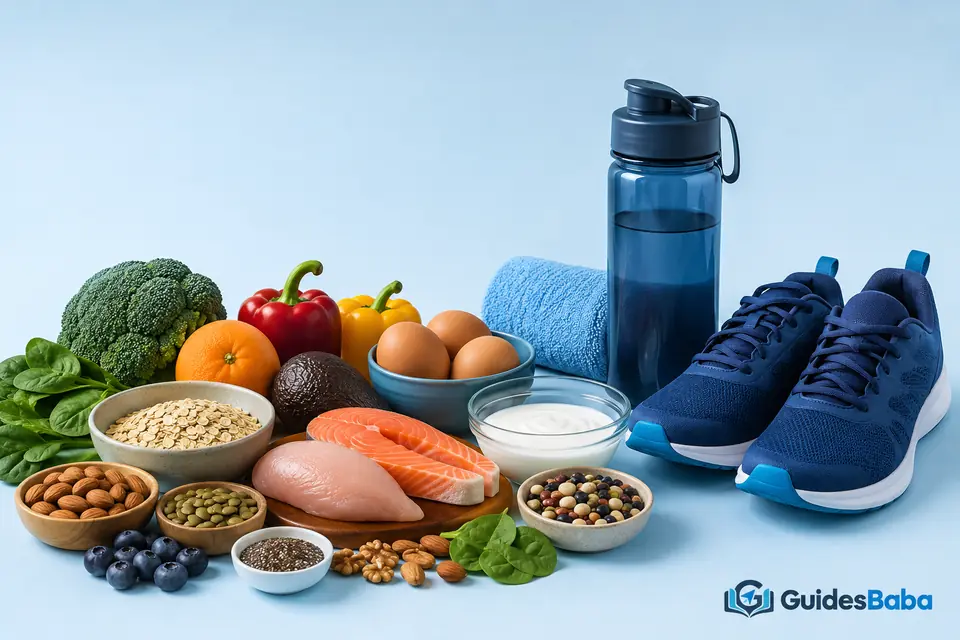
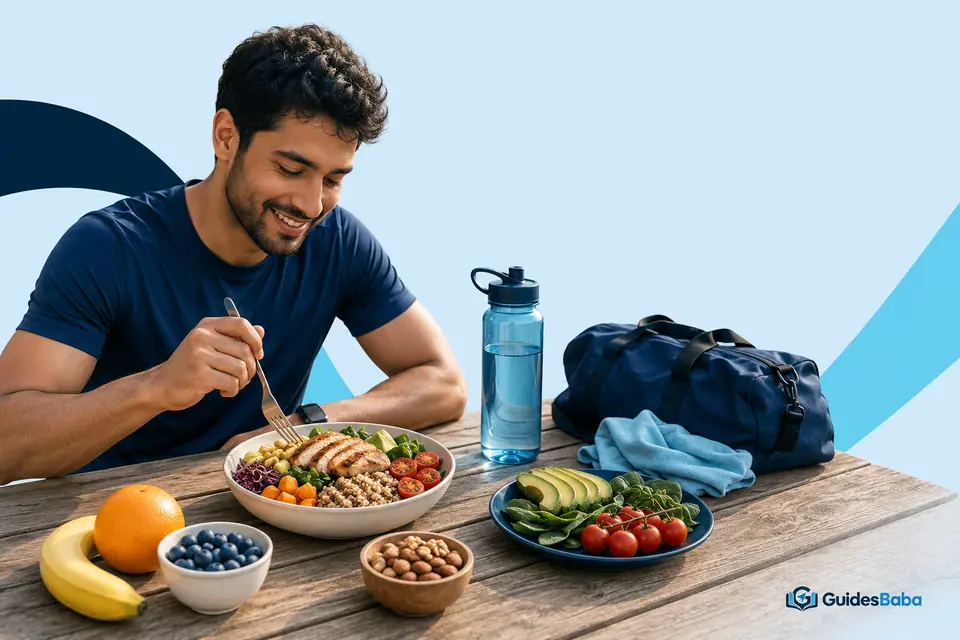
You train hard and eat plenty of food. Are you still missing key nutrients? So what vitamins and minerals are important for athletes? The right ones quietly power your performance.
Rather than swallowing random pills, learn the basics first. Vitamins and minerals work behind the scenes. They help release energy and repair tissue. A varied diet usually delivers most of them.
Here is the honest answer. Athletes rely on several key vitamins and minerals. Iron, calcium, and vitamin D stand out. B vitamins, magnesium, and potassium matter too. Most come easily from whole foods. Supplements suit only specific, tested gaps.
This guide covers each key nutrient in plain terms. You will learn what they do and where to find them. We compare food sources against supplements. This is not medical advice. See a professional.
So what vitamins and minerals are important for athletes?
The honest answer covers a short list. A handful of nutrients do heavy lifting. Together they support energy and recovery. Getting them steadily keeps you performing well.
Think of them as the crew behind the athlete. You rarely notice them working. Yet without them, performance quietly slips. Iron, calcium, and the B vitamins lead the way.
Do athletes need dozens of supplements? Not at all, despite the marketing. Most nutrients come from everyday meals. The core essential nutrients already cover you. Food does the heavy lifting.
Why athletes have higher needs
Training places extra demands on your body. You burn more energy and break down tissue. That raises some vitamin and mineral needs.
Hard exercise increases turnover of certain nutrients. You lose minerals through sweat as well. Repair and recovery draw on your stores. Meeting these needs keeps you performing. Steady intake protects your training.
Higher needs do not mean megadoses. A slightly larger, varied diet often covers them. More food naturally brings more nutrients. Focus on quality across the week. Balance beats extremes here.
Did you know?
Many vitamins help release energy from your food. They do not supply energy directly by themselves.
Iron for oxygen and energy
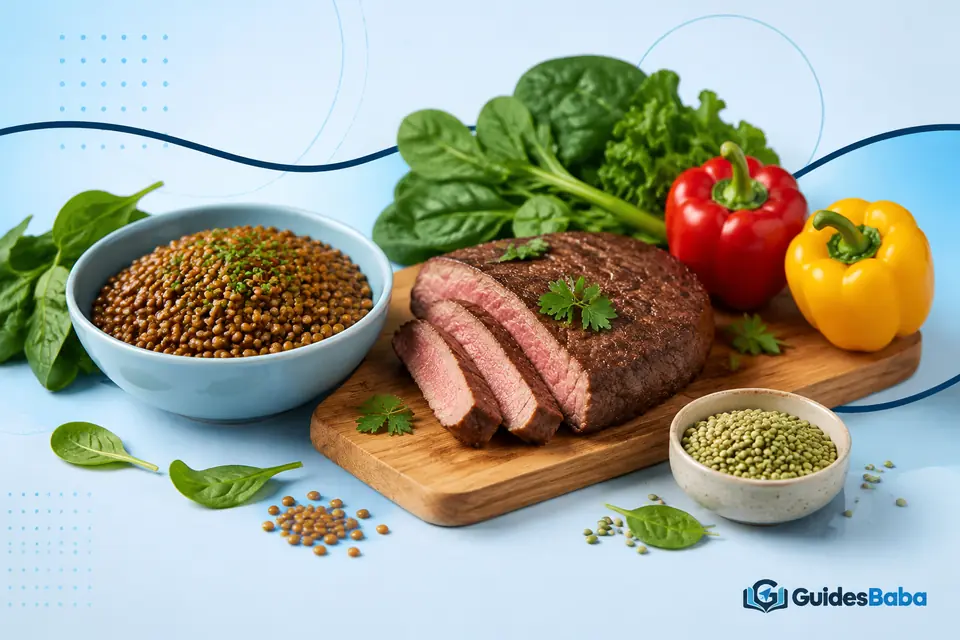
Iron is a standout mineral for athletes. It helps carry oxygen through your blood. Your muscles depend on that oxygen. Even mild shortfalls can hold you back.
Low iron can leave you tired and breathless. It may drag down your endurance badly. Include iron-rich foods across your week. Good iron-rich foods support your training. Pair them with vitamin C for absorption.
Some athletes face a higher risk of low iron. Distance runners and vegetarians should stay aware. A blood test can check your levels. Never self-prescribe high-dose iron pills. A professional can guide you safely.
Calcium for strong bones

Calcium keeps your bones strong and healthy. Athletes place heavy loads on their skeleton. Strong bones resist stress and injury. Daily habits build them over time.
Dairy foods are a classic calcium source. Leafy greens and fortified foods help too. Steady intake supports bone strength over time. It also aids muscle function. Consistency matters more than any single meal.
Low calcium can raise your injury risk. Stress fractures sometimes follow weak bones. Build calcium into your daily meals. Pair it with vitamin D for absorption. Prevention beats repair every time.
Vitamin D and bone health
Vitamin D works closely with calcium. It helps your body absorb that mineral. Together they protect your bones.
Sunlight helps your skin make vitamin D. Oily fish and eggs provide some too. Many people run a little low. Athletes training indoors should stay aware. Winter months can lower your levels further. A test can reveal your status.
Low vitamin D can weaken bones over time. It may also affect muscle function. Sensible sun and good food help. A professional can advise on supplements. Balance keeps your bones resilient.
B vitamins for energy release
B vitamins help unlock energy from food. They support the reactions that fuel you. Active people rely on them heavily.
Whole grains, meat, eggs, and beans supply them. Leafy greens and dairy help too. A varied diet usually covers your needs. The full list of daily vitamins includes these. Food provides them reliably.
You rarely need B vitamin pills. Deficiencies are uncommon on a varied diet. Some vegans may need vitamin B12. A test can confirm any real gap. Food comes first for most athletes.
Magnesium for muscles and recovery
Magnesium supports your muscles and nerves. It plays a role in energy production. Athletes benefit from steady intake. It supports many tiny reactions each day.
Nuts, seeds, whole grains, and greens supply it. Beans and dark chocolate help too. A varied diet usually meets your needs. Sweat can lower your levels slightly. Whole foods keep you topped up.
Low magnesium may bring cramps or fatigue. Still, true deficiency is fairly uncommon. Focus on food before any supplement. A professional can check if needed. Balance protects your recovery.
Potassium and sodium balance

Potassium and sodium keep your fluids balanced. They support nerves and muscle contractions. Sweat carries both away during exercise.
Fruits and vegetables are rich in potassium. Some potassium-rich foods support your training. A little salt replaces lost sodium. Heavy sweating raises these needs. Food usually restores the balance.
Most people get enough of both from meals. Only very long, sweaty efforts need more. A balanced plate covers the basics. Watch your intake in hot conditions. Simple choices keep you steady.

Vitamin C and recovery
Vitamin C supports several body processes. It helps your body absorb iron. It also aids tissue repair.
Citrus fruits, berries, and peppers are rich sources. Tomatoes and leafy greens help too. Pair them with iron-rich meals. That combination boosts iron absorption nicely. Fresh produce delivers plenty.
You rarely need vitamin C pills. A colourful diet supplies more than enough. Very high doses bring little benefit. Focus on whole fruits and vegetables. Food remains the best source.
Zinc and immunity
Zinc supports your immune system and repair. Hard training can stress your immunity. Adequate zinc helps keep you well. It also supports healing after hard sessions.
Meat, shellfish, beans, and nuts supply zinc. Whole grains and seeds add some too. A varied diet usually meets your needs. Steady intake supports steady health. Food covers most people well.
Deficiency is uncommon on a mixed diet. Vegetarians should include good plant sources. Avoid megadoses without professional advice. Too much zinc can cause problems. Balance protects your health.
Food sources versus supplements
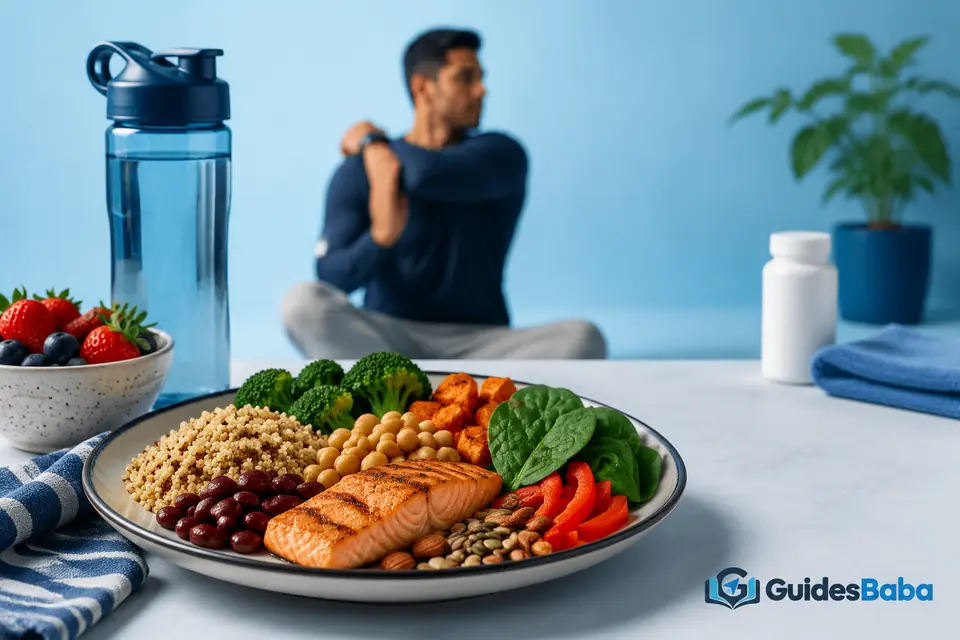
People often ask which approach is better. The clear comparison is food sources versus supplements. Each suits a different situation.
| Food sources | Supplements |
|---|---|
| Best default for most athletes | For specific, tested gaps |
| Bring fibre and other nutrients | Deliver single nutrients only |
| Hard to overdo | Easier to take too much |
| Tasty and satisfying | Useful under professional guidance |
Choose food as your everyday foundation. Use supplements only for a confirmed gap. Both can play a sensible role. Let a professional guide any pills.
How to get these from food
Whole foods cover most athlete needs. Variety is the real secret here. Different foods bring different nutrients.
Build meals around grains, protein, and vegetables. Add fruit, dairy, nuts, and beans. Eating nutrient-rich foods daily helps a lot. Colour on your plate signals variety. Simple habits cover the basics.
You do not need exotic superfoods. Everyday produce does the job well. Rotate your choices through the week. That variety fills most gaps naturally. Food first keeps things easy.
Antioxidants and training stress

Hard training creates some oxidative stress. Antioxidants help your body manage it. Many come from colourful foods.
Vitamins C and E act as antioxidants. Fruits, vegetables, nuts, and seeds supply them. A varied diet delivers a natural mix. This supports recovery and overall health. Whole foods work best here.
You do not need high-dose antioxidant pills. Very large doses may not help training. They could even blunt some adaptations. Get yours from real food instead. Balance beats extremes here.
Do athletes need a multivitamin
Many athletes wonder about a daily multivitamin. For most, it is not essential. A varied diet usually covers the bases.
A multivitamin can act as light insurance. It may help during busy or restricted periods. Still, it cannot replace real meals. Whole foods offer far more than pills. Food remains the foundation.
If you consider one, keep it modest. Choose a sensible, balanced formula. Do not treat it as a fix-all. A professional can advise on the need. Simple choices serve most athletes.
Common mistakes with supplements
One common mistake is taking too many pills. More is not automatically better. Some nutrients cause harm in excess.
Another mistake is guessing at deficiencies. People often supplement without any evidence. A blood test gives real answers. Treat a confirmed gap, not a hunch. Testing beats guessing every time.
Some athletes chase trendy new products. Others ignore their everyday diet entirely. Both errors waste money and effort. Focus on food and confirmed needs. Simple habits protect your health.
Signs of a possible deficiency
Certain signs may hint at a shortfall. Persistent tiredness is a common one. Poor recovery can be another.
Frequent illness may suggest a weak immune system. Unusual cramps could point to low minerals. Pale skin sometimes hints at low iron. These signs deserve a proper check. Do not simply self-diagnose.
If you notice these signs, seek advice. A professional can arrange the right tests. They will then suggest a safe plan. Guesswork can do more harm than good. Proper testing guides real solutions.
Who might need tailored advice
General guidance suits most healthy athletes well. Still, some people need personal care. Certain situations change the picture.
Vegans, young athletes, and some patients differ greatly. Certain conditions affect nutrient needs and absorption. A dietitian understands your full history. Personal advice always beats general rules here.
This is not medical advice. See a professional for your own situation. Use these ideas as a friendly guide. A short chat can prevent bigger problems.
Frequently asked questions
What vitamins and minerals matter most for athletes?
Iron, calcium, and vitamin D are key. B vitamins, magnesium, and potassium matter too.
Do athletes need supplements?
Most needs come from a varied diet. Supplements suit only specific, tested gaps.
Why is iron important for athletes?
Iron helps carry oxygen through your blood. Low iron can leave you tired and breathless.
How do athletes get enough calcium?
Dairy, leafy greens, and fortified foods help. Steady daily intake supports strong bones.
Do athletes need extra vitamin D?
Some do, especially those training indoors. Sunlight, oily fish, and eggs supply it.
Should athletes take a multivitamin?
For most, it is not essential. A varied diet usually covers the bases.
Which foods cover most nutrient needs?
Grains, protein, vegetables, fruit, dairy, and nuts help. Variety across the week fills most gaps.
Can you take too many supplements?
Yes, some nutrients cause harm in excess. More is not automatically better.
What are signs of a deficiency?
Persistent tiredness and poor recovery are warnings. Frequent illness may also be a sign.
Do athletes need antioxidant pills?
Not usually, as food supplies plenty. High doses may even blunt adaptations.
The bottom line
So what vitamins and minerals are important for athletes? Iron, calcium, and vitamin D lead the list. B vitamins, magnesium, and potassium matter too. Zinc and vitamin C support health and recovery. Most come easily from a varied diet.
Build your plate around colourful whole foods. Use supplements only for a confirmed gap. Get tested before starting any high doses. Let food do most of the work.
For more background, read this overview of vitamins and their roles. You can also explore how dietary minerals support your body. Use trusted sources to guide your habits.
This is not medical advice. See a professional for your personal needs. Feed your training with variety and balance. Then enjoy stronger, healthier results.