
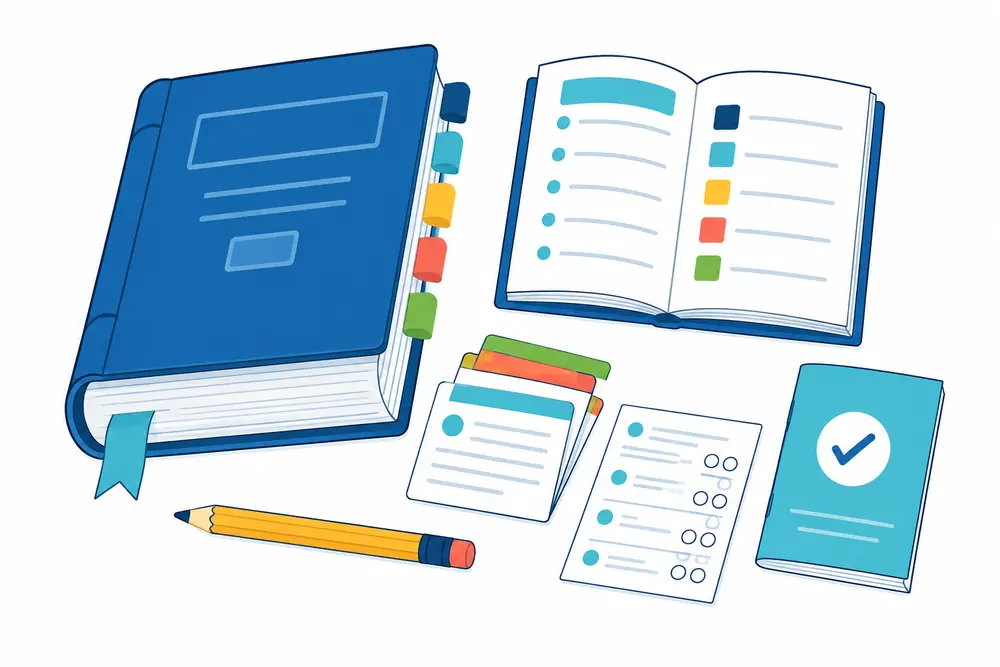
A study guide book is a printed or digital book built for focused review. It explains key topics, condenses course material, and provides practice. Many guides support a class, textbook, certification, or entrance exam.

The word “book” matters here. This resource has a planned sequence, chapters, and an editorial structure. It is more complete than a quick review sheet, but shorter than most textbooks.
What is a study guide book?
A study guide book is a structured learning resource for a defined subject or test. It usually includes summaries, important terms, worked examples, questions, and answers. Some books also add study schedules and full practice tests.
You can buy a commercial guide or create your own bound version. Teachers and schools may also publish guides for one course. In every case, the book should help a learner review and practise.
Did you know?
A guide book may follow a test blueprint instead of a textbook. That difference can change every chapter.
What does a study guide book contain?
Most guide books start with a contents page and a simple plan. The chapters then mirror course units or exam domains. Clear navigation matters because students often jump to weak areas.
A strong chapter begins with learning goals. It then explains the core ideas in plain words. Definitions, diagrams, and examples support that explanation. Short questions check understanding before harder practice.
Answers should explain the reason, not only show a letter. A good explanation helps students correct the thinking behind a mistake. That feedback is worth its weight in gold.
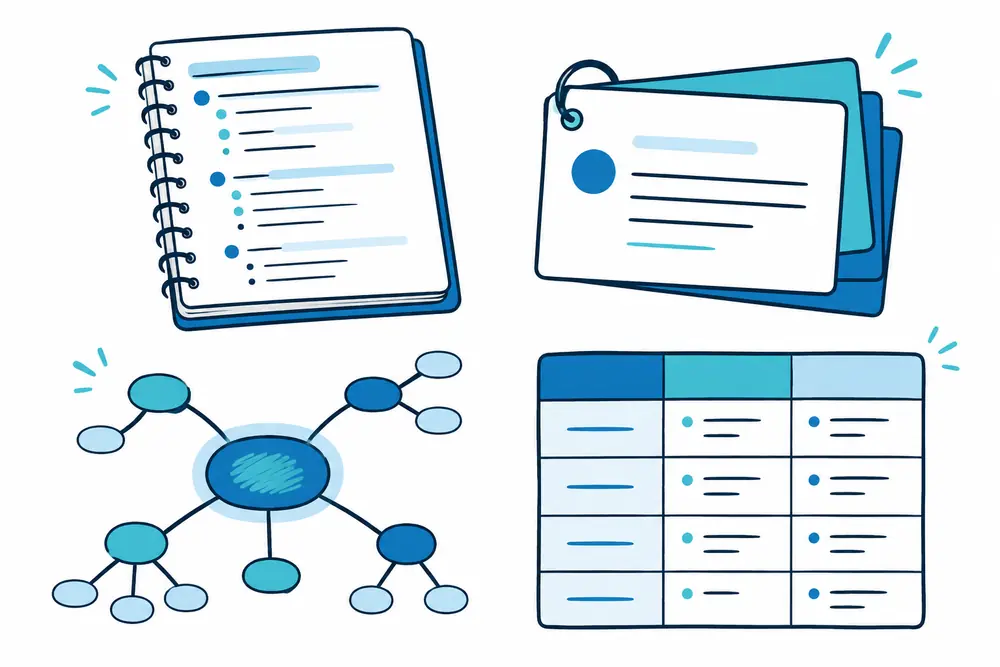

Chapter summaries
Summaries give the central points without repeating every detail. They should preserve meaning and useful context. Look for headings, examples, and links between ideas.
Practice questions
Practice should match the real task. A math guide needs fresh problems. A history guide needs evidence and comparison questions. A language guide needs reading, writing, listening, or speaking practice.
Answer explanations
Explanations show why an answer works. They may also explain why other choices fail. This feature turns a practice test into a learning tool.

Review plans
Some books provide plans for one week, one month, or a full term. Treat these as starting points. Your plan should give extra time to weak topics.
Study guide book versus textbook
A textbook teaches the wider subject. It builds context, covers evidence, and develops ideas over many chapters. A study guide book selects the material needed for review.
That smaller scope is useful, but it creates a risk. A guide may remove details needed for deep understanding. When an explanation feels thin, return to your course source.
Use the textbook for learning and the guide for retrieval. The two can work like a kitchen and a lunchbox. One holds everything. The other carries what you need today.
Our main article explains what a study guide is across all formats. It helps if you are comparing a book with cards or digital notes.
Commercial guide books versus personal guide books
A commercial book offers editing, broad coverage, and many practice items. It may follow a national exam outline. However, it cannot know your teacher’s examples or recent feedback.
A personal guide book fits your exact class. Building it also forces you to select and organize information. The downside is time. Missing or misunderstood notes can create errors.
Many students get the best result by combining both. Use a commercial book for structure and extra practice. Add a personal section for class-specific material. Two heads are better than one.
How to choose the right study guide book
Begin with alignment. Check the course name, exam board, grade, level, and edition. A famous book can still be the wrong book. Match beats popularity.
Next, inspect the contents and sample pages. Do chapters match your learning goals? Are explanations clear? Do questions resemble your assignments or exam format?
Check the publication date when rules or test plans change. This matters for technology, law, health, and certification exams. An old edition may teach outdated content.
Look at the answer key. Short answers save space, but explanations create learning. The best book helps you understand mistakes without hiding the work.
For a full decision process, use our guide on which study guide is best. It compares alignment, practice, accuracy, and usability.
How to use a study guide book well
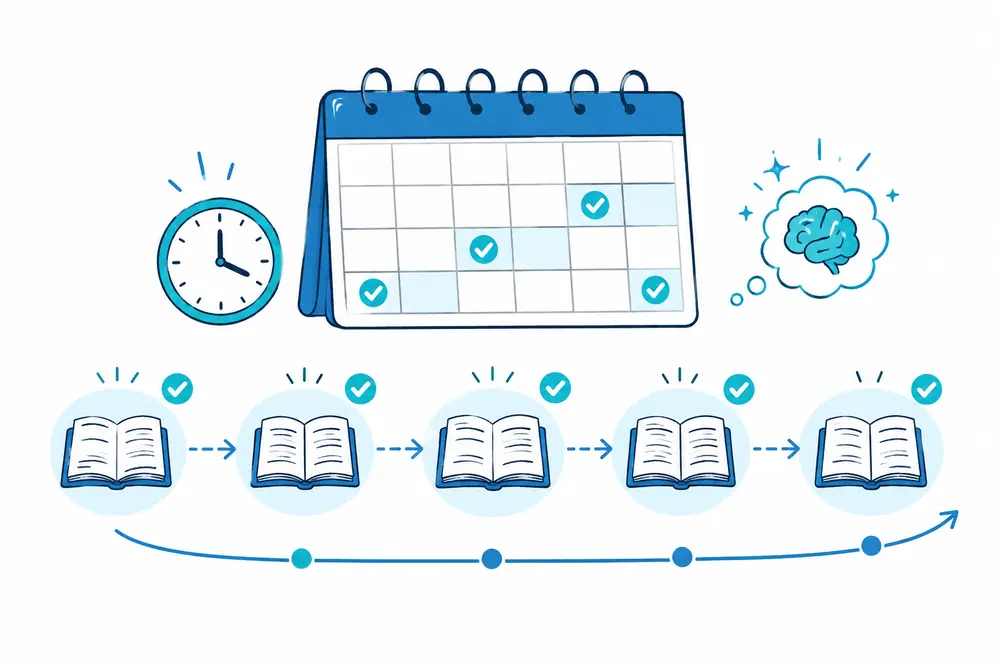
Start with a short diagnostic quiz. Do not study first. The result shows where the book can help most. Mark weak chapters and plan those sessions first.
During each session, read a small section. Close the book and explain it aloud. Then answer questions without looking back. This keeps your brain in the driver’s seat.
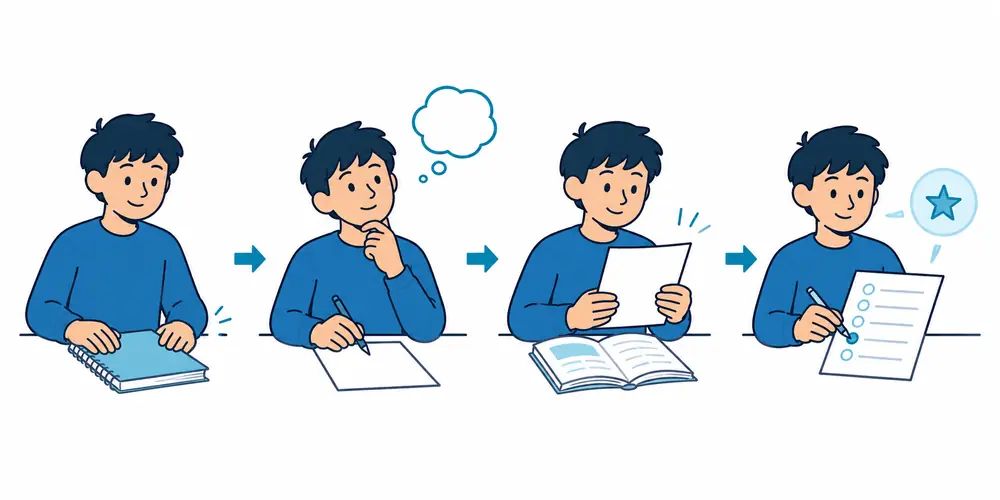
Keep an error log. Write the question type, your wrong idea, and the corrected rule. Review this short list before taking another practice test.
Spread the work across several days. The University of North Carolina explains a useful study cycle that includes review and focused sessions.
Warning signs in a study guide book
Be careful with books that promise guaranteed scores. No resource controls effort, prior knowledge, or exam conditions. Trust clear methods, not bold promises.
A weak guide may copy definitions without teaching use. It may also provide many questions but no explanations. More pages do not always mean more value.
Check important claims against your official course materials. For exam preparation, the test provider’s current outline should be the final authority. Utah State University’s guide on organizing study material also offers a sound starting process.
Read next
Check every essential part of a strong study guide.

Types of study guide books
Course companion books follow a class or textbook. They usually mirror the chapter order. These books work best when the title and edition match your assigned source.
Exam preparation books follow a test blueprint. They group content by tested domains and question types. A current official outline should confirm that coverage.
Subject review books cover a wider field. They can rebuild missing background before a course. Their broad scope may include more material than your exam needs.
Workbook-style guides center on practice. They may offer less explanation but more attempts. Choose one only when you already understand the basic ideas.
How to judge the author and publisher
Look for authors with clear subject knowledge or teaching experience. A short biography should explain why they understand the course or exam.
Check whether editors or reviewers are named. Good review lowers the risk of errors and unclear questions. A trusted publisher should also provide correction notices.
Read the copyright and edition pages. They show the publication date and version. Newer is not always better, but the right version matters.
Reviews can reveal printing problems and confusing answers. Do not treat star ratings as proof. The contents and sample pages still tell the real story.
Why the correct edition matters
Courses change readings, chapter numbers, and required topics. Exams may change timing, scoring, or question style. An old guide can therefore point in the wrong direction.
Compare the guide’s table of contents with your current outline. Check chapter names and tested skills. Small edition changes may be harmless, while major changes need a new guide.
If you use an older copy, create an update sheet. List missing topics, removed material, and changed rules. Verify that sheet with an official source.
Do not buy a new edition only because the cover changed. Compare the contents first. Look before you leap.

How to combine the book with class notes
Use the book chapter as a structure. Add class examples beside the matching topic. Mark any point your teacher stressed or corrected.
Write questions from your notes instead of copying them. Ask what a term means, why a step works, or how two ideas differ.
Keep additions short. A crowded book becomes another textbook. Use page flags or a separate class-only section when notes begin to grow.
After each lesson, spend ten minutes updating the guide. Small updates prevent a large job before the exam. Many a little makes a mickle.
How to use practice tests in a guide book
Take the first test as a diagnostic. Use normal time limits when possible. Do not look at explanations until the attempt ends.
Review every missed question and every lucky guess. Write the mistaken idea, corrected rule, and source page. This makes the score useful.
Wait before taking the next full test. Practise weak skills first. Repeating full tests without correction can repeat the same habits.
Save one test for a later check. Fresh questions provide a clearer picture of readiness. Familiar answers can create false confidence.
How to choose a guide book on a budget
Check your school or public library before buying. Ask whether the current edition is available. Digital borrowing may provide quicker access.
Compare sample chapters, question counts, and answer quality. A cheaper book with clear feedback may offer more value than a large bundle.
Used copies can work when the edition still matches. Check for missing pages and heavy writing. Previous answers should not spoil your practice.
Share recommendations, not copied pages. Copyright still applies to commercial guides. Use legal access and create your own notes.
Build a plan around the guide book
Count the available study days and the important chapters. Give extra sessions to weak topics. Leave time for mixed practice and final review.
Set a small output for every session. Read one section, explain it, answer questions, and record errors. “Read chapter three” is too vague.
Track completed work with simple marks. Do not spend more time designing the tracker than studying. Keep the main thing the main thing.
Adjust the plan after each practice result. A schedule is a tool, not a promise carved in stone. Evidence should guide the next step.
What to inspect in sample pages
Read one full explanation, not only the contents page. Check whether the language fits your current level. Clear writing should still preserve the correct idea.
Study one worked example. The steps should be easy to follow and connected to a rule. Decorative graphics cannot replace reasoning.
Try two sample questions without reading the answers. Then judge the feedback. Useful feedback should correct the mistaken thought.
Check navigation, page design, and print quality. Small text or crowded pages can slow every session. The devil is in the details.
Useful features in a digital guide book
Search and bookmarks make weak topics easier to revisit. Links should have clear names and lead to trusted supporting material.
Interactive questions can provide quick feedback. Make a real attempt before opening hints. Easy hints can weaken the test.
Offline access matters when internet service is unreliable. Check device support and download rules before depending on the guide.
Protect your account and personal data. Use trusted stores and normal security settings. Do not share logins to access a guide.

How to judge the answer key
Pick one easy, one medium, and one hard question. Check whether each explanation shows the main reasoning.
Look for corrections to common errors. A strong key explains why a tempting wrong choice fails. This teaches decision making.
For written tasks, look for criteria or model outlines. One perfect answer may be less useful than a clear scoring guide.
Report serious errors to the publisher when a correction channel exists. Do not build more study on a doubtful answer.
What to do with the book after the course
Keep it when the subject supports a later course. Mark the most useful pages and retain your error log.
Recycle outdated notes that may cause confusion. If the exam changes, label the old edition clearly. Old habits die hard.
Sell or donate a usable physical copy when rules allow. Remove personal notes, names, and account details first.
Save only legal digital copies. Check the license before moving files between devices. Ownership rules can differ from printed books.
Match the book to the learner
Beginners usually need more explanation and guided examples. A dense question bank may feel like a locked door without the key.
Intermediate learners need mixed practice and detailed feedback. They should compare methods, explain choices, and solve unfamiliar cases.
Advanced learners may need realistic difficulty and timed practice. Long basic summaries can take time away from harder work.
Language level matters too. Clear writing should not remove important terms. Use a glossary when exact subject language is required.

Final book check before studying
Confirm the title, level, edition, and exam outline. Read a sample explanation and solve two sample questions.
Check the answer key and correction page. Mark any missing class topics. Add the first review session to your calendar.
Keep one primary book and one support source. Too many books can create choice without action. Put your best foot forward.
Write the first weak topic on a page flag or bookmark. Begin there instead of reading the book from cover to cover.
Set a small target for the first session. Explain one section, answer several questions, and record every unclear point.
Review that unclear list before the next chapter. A book becomes useful when its feedback changes your plan.
Check progress after several days, not several minutes. Strong recall after a gap shows more than quick familiarity.
If the book never improves correction, change how you use it or choose another resource. Results should guide the decision.
A good guide book should make the next action clearer. It should reduce guessing and support steady, honest practice.
Study guide book FAQ
Is a study guide book enough for an exam?
Sometimes, but do not assume so. Compare it with the official course or exam outline. Add class notes and required readings when gaps appear.
Can I write in a study guide book?
Yes. Mark weak topics, add corrections, and note useful sources. Avoid highlighting whole pages because the important ideas will disappear.
Are digital study guide books useful?
They can be. Search, bookmarks, and quick links make navigation easy. Printed books may reduce distraction and support handwritten notes.
How current should the edition be?
Use the edition that matches your current course or exam plan. Newer is helpful only when the content and requirements have changed.
The final takeaway
A study guide book is a structured review tool. It should explain the core material and provide honest practice. Its value comes from alignment, accuracy, and useful feedback.
Before buying or using one, inspect the contents and answer explanations. Then test it with one weak topic. Does the book help you recall and apply the idea?