
You keep hearing that fibre feeds your gut. So what are prebiotics exactly? Are they just another health buzzword? Feed your gut well and you reap what you sow.
Rather than following trends blindly, learn the basics. Prebiotics are special types of fibre. Your body cannot fully digest them. Instead, your gut bacteria feed on them. That simple idea drives the whole topic.
Here is the honest answer. Prebiotics are fibres that feed your helpful gut bacteria. They pass through your upper gut undigested. Your microbes ferment them lower down. This process supports a healthy gut community. They are food for your microbes, not living microbes.
This guide covers what prebiotics are and how they work. You will learn which foods contain them. We compare prebiotics with probiotics simply. This is not medical advice. See a professional.
So what are prebiotics exactly?

The honest answer sits in a single idea. Prebiotics are fibres that feed gut microbes. Your body cannot break them down. Your bacteria do that job instead.
Think of your gut as a garden again. Probiotics are the helpful plants themselves. Prebiotics are the fertiliser that feeds them. Good fertiliser helps the garden thrive. These fibres play that feeding role. A fed garden grows better.
Do they work overnight? Not really, as your gut needs time. Benefits build with steady intake. Consistency matters more than any single meal. Patience helps the process along.
What counts as a prebiotic
Not every fibre is a prebiotic. The term means fibre that feeds helpful microbes. It must survive digestion to reach them. The feeding effect is the key part.
Many come from specific plant fibres. Inulin and fructans are common examples. Resistant starch counts as well. Each type ferments a little differently. Names on labels can look technical.
You do not need to memorise every fibre. Focus on varied plant foods instead. Variety usually beats chasing one fibre. A mixed diet supports a mixed gut. Simple choices work well here.
Did you know?
Your gut bacteria ferment prebiotic fibre for energy. This process creates helpful compounds along the way.
How prebiotics work in your gut

Prebiotics travel through your upper gut intact. Your body cannot digest them there. They reach the lower gut still whole. Your microbes then ferment them. That is where the magic happens.
This fermentation feeds helpful bacteria. It also produces useful compounds. Some support the gut lining gently. Others may nourish the wider community. These effects are quiet, not dramatic.
Does more always mean better? Not necessarily, as balance is the goal. Too much fibre too fast causes discomfort. A gradual increase feels much kinder. Balance supports steady function.
Prebiotics and the gut microbiome
Your gut microbiome is a living ecosystem. It holds many species of microbes. Prebiotics act as their food supply. Well-fed microbes tend to thrive.
This community depends on what you eat. Fibre-rich foods feed the helpful members. A varied plant diet keeps them happy. Every person carries a unique mix. No two microbiomes look the same.
You can nurture this ecosystem daily. Varied whole foods support it best. Learn which foods support healthy gut bacteria and lean on them. Small habits shape the community. Consistency guides the result.
Common prebiotic foods to enjoy
Many everyday plants carry prebiotic fibre. These foods are simple and affordable. You likely eat some already. Variety is the real goal.
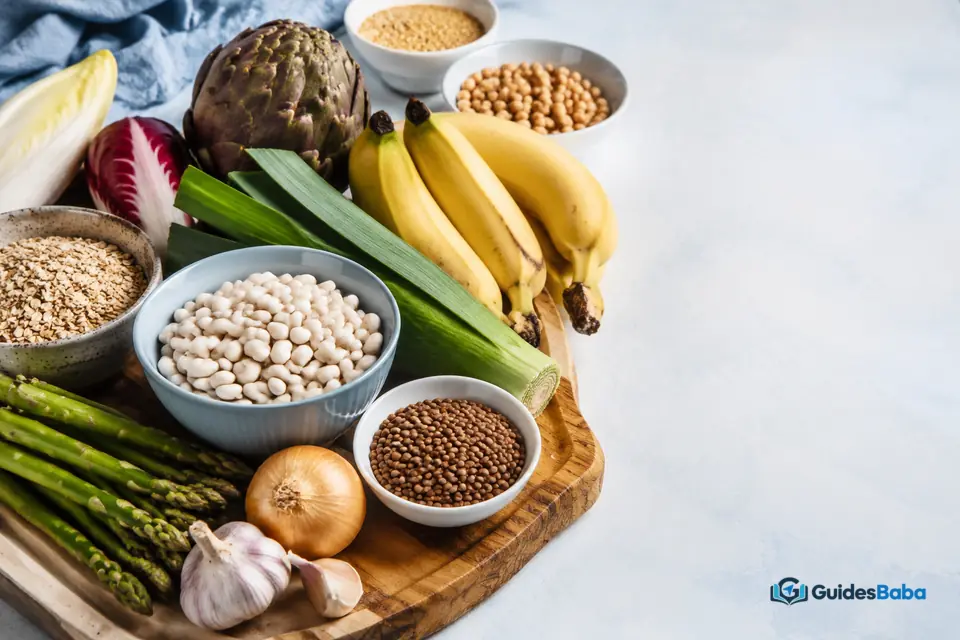
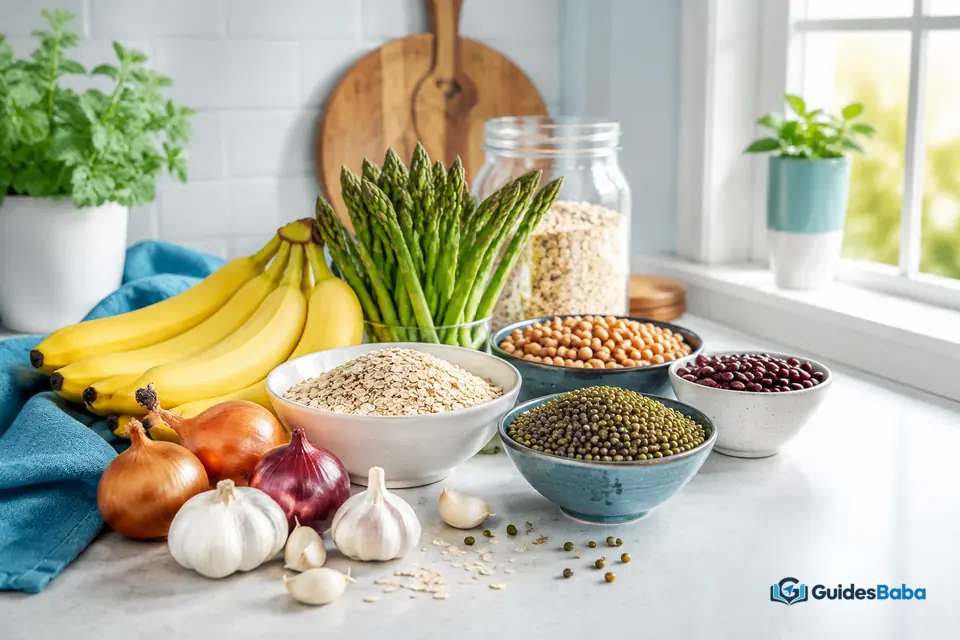
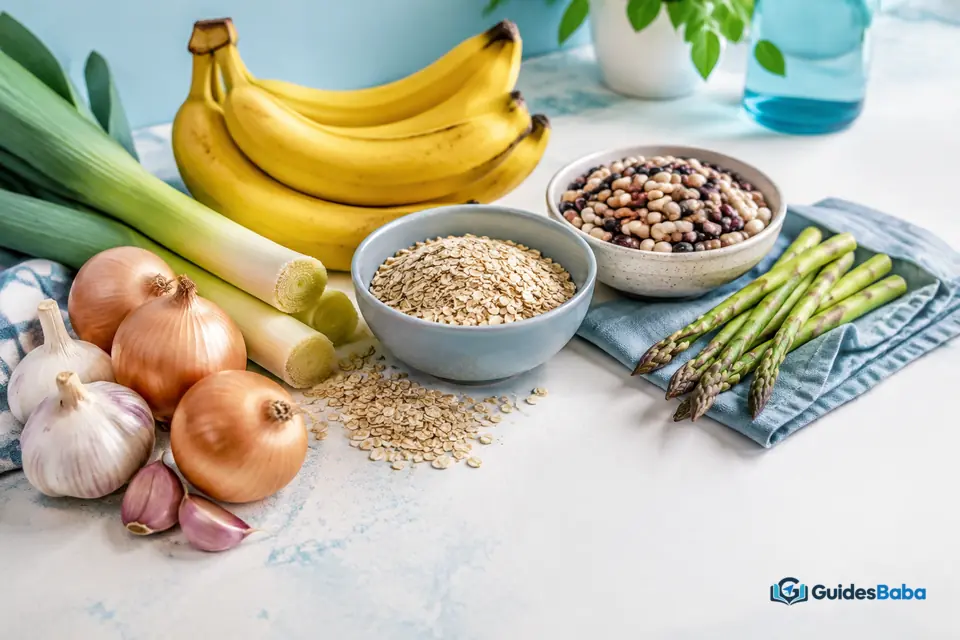
Onions, garlic, and leeks are classic sources. Bananas and oats add more still. Asparagus and chicory root are rich too. Legumes and whole grains help as well. Plants supply the bulk of prebiotics.
You can add these foods gradually. Start with small, regular servings. Spread them across your meals. A varied plate feeds varied microbes. Enjoyment keeps the habit going. Aim for a little each day.

Types of prebiotic fibre
Prebiotic fibre comes in several forms. Each behaves a little differently. Labels sometimes name them directly. The detail can look confusing.
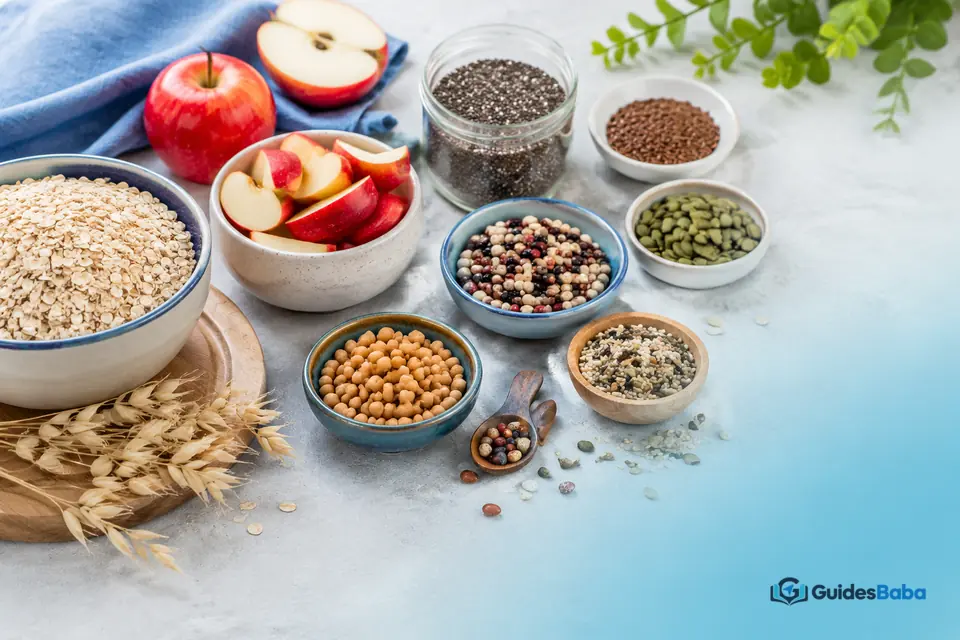
Inulin appears in chicory and onions. Fructans are common in wheat and garlic. Resistant starch shows up in cooled potatoes. Some fibres come from legumes. Different fibres feed different microbes. Each one plays a part.
You need not chase a perfect fibre. A range of plants covers your bases. Variety usually matters more than any single source. Trust simple, whole foods. Keep expectations realistic here.
Prebiotics in supplements
Supplements offer prebiotic fibre in concentrated form. They come as powders or capsules. Convenience is their main appeal. They fit a busy routine well.
Quality varies widely between products. Some may cause gas or bloating. A slow start helps you adjust. Reading the label carefully matters. Not every product suits everyone.
You do not always need a supplement. Many people get plenty from food. A supplement can help in some cases. Consider your own diet first. Whole foods remain a strong option.
Prebiotics and everyday fibre
All prebiotics are fibre, but not all fibre is prebiotic. Some fibre simply adds bulk. Prebiotic fibre also feeds your microbes. Both types matter for health.
A fibre-rich diet often includes both. Whole grains, fruit, and vegetables lead the way. Legumes bring plenty of fibre too. Many foods that contain the most fibre help here. A varied plate covers your needs.
You should aim for range, not extremes. Different plants supply different fibres. This variety supports a diverse gut. Fibre and prebiotics work together. Plants remain the foundation. Feed them well every day.
Possible benefits people notice
Many people report better digestive comfort. Some notice more regular routines. Effects differ from person to person. Keep your hopes reasonable.
Researchers study prebiotics for many reasons. Some effects link to digestion and balance. Others touch fullness and appetite gently. Evidence varies by fibre and situation. Claims should always stay modest.
You may notice changes over weeks. Others feel little difference at all. Both outcomes are completely normal. Bodies respond in their own way. Notice how you personally feel.
What prebiotics cannot do
Prebiotics are helpful, not magical. They will not fix a poor diet. Balance still does the heavy lifting. Think of them as one helper.
No single fibre guarantees perfect health. Prebiotics work alongside other habits. Sleep, movement, and diet all matter. They form one part of the picture. Expect support, not miracles.
You should be wary of bold claims. Grand promises often oversell the science. Treat sweeping cures with caution. Steady habits beat quick fixes. Keep a healthy sense of doubt.
How prebiotics compare with probiotics
People often confuse two similar words. The clear comparison is prebiotics versus probiotics. Each plays a different role. Together they support the gut.
| Prebiotics | Probiotics |
|---|---|
| Fibre that feeds microbes | Live helpful microbes |
| Found in many plant foods | Found in fermented foods |
| Nourish microbes already there | Add microbes to your gut |
| Onions, garlic, oats, bananas | Yogurt, kefir, kimchi |
Curious about the other half? Learn more about probiotics and how they help. The two work best together. A good diet supplies both.
Getting started safely

You do not need a dramatic overhaul. Start with one extra plant food daily. Add it a few times weekly. That gentle pace works well.
Increase fibre slowly and gently. A sudden jump may cause bloating. Give your gut time to adjust. Drinking water supports the change. Ease in rather than rushing.
You can build variety over time. There are easy ways to increase fibre in your diet gradually. Pair new foods with old favourites. Rotate different plants each week. Balance guides good choices.
Why overall diet still matters

Prebiotics do not work alone. They rely on your whole diet. Variety is especially important. Your daily plate really matters.
A range of plants feeds a range of microbes. Fruit, vegetables, and grains all help. Legumes add fibre and protein too. A varied diet keeps microbes fed. Fibre and balance work together.
You should not lean on one food alone. A colourful plate supports the gut best. These foods nourish the whole community. Plants remain the foundation. Variety keeps things steady.
Common mistakes people make
One common mistake is adding fibre too fast. This can cause gas and bloating. A gentle start feels far better. Slow and steady wins here. Give your gut time to adapt.
Another mistake is drinking too little water. Fibre works better with plenty of fluid. Water helps everything move smoothly. Pair fibre with good hydration. This small step really helps.
Some people expect instant results. They lose heart when nothing changes fast. Remember that benefits build slowly. Judge progress over several weeks. Patience keeps you steady.
Are prebiotics right for everyone
Prebiotics suit many healthy adults. Still, they are not for everyone. Individual needs vary widely. One size does not fit all.
Most people tolerate plant fibre well. Some notice more gas at first. A few should take extra care. Certain gut conditions need caution. Listen to your own body.
You should choose what feels comfortable. There is no single right approach. Find plant foods you genuinely enjoy. Enjoyment supports a lasting habit. Fit the choice to you.
Who might need tailored guidance
General advice suits most healthy people. Still, some need personal care. Certain situations change the picture. A little caution goes a long way.
Those with sensitive guts need caution. Some conditions react to certain fibres. Your doctor knows your full history. Personal guidance beats general rules here. A short chat can prevent problems.
This is not medical advice. See a professional before major changes. Use these ideas as a friendly guide. Then adapt them to your needs.
Making prebiotics part of your routine
A lasting habit grows from small steps. Pick plant foods you enjoy often. Extreme plans rarely stick around. Small and steady beats big and brief.
Keep fruit and vegetables within easy reach. Add legumes and whole grains to meals. Pair them with foods you already love. Simple routines are the most durable. Consistency delivers the real value.
Above all, listen to your own body. It signals comfort and balance. These cues guide your best choices. Trust them over any strict rule. Your comfort is the best guide. Enjoy the journey too.
Frequently asked questions
What are prebiotics?
Prebiotics are fibres that feed helpful gut bacteria. They are not living microbes themselves.
Where are prebiotics found?
They appear in many plant foods. Onions, garlic, oats, and bananas are common.
Are prebiotics safe?
Most healthy people tolerate them well. Some should ask a professional first.
Do prebiotics help digestion?
Many people report better digestive comfort. Effects vary by person and fibre.
How long until prebiotics work?
Benefits often build over several weeks. Some people notice little change.
Are supplements better than food?
Not necessarily, as food offers variety. Supplements suit some situations better.
Can too much fibre cause problems?
Adding fibre too fast may cause bloating. A gentle increase is wiser.
Do prebiotics feed all gut bacteria?
They mainly feed the helpful microbes. Different fibres feed different species.
Are prebiotics and probiotics the same?
No, prebiotics are fibre that feeds microbes. Probiotics are the live microbes.
Should everyone take prebiotics?
No, needs differ from person to person. Choose what feels right for you.
The bottom line
So what are prebiotics? They are fibres that feed your gut bacteria. Your body cannot digest them alone. Your microbes ferment them instead. They nourish a healthy gut community, not a cure.
You do not need to chase every fibre. Add one extra plant food today. Increase your intake slowly and steadily. Keep your whole diet balanced and varied. Small steps add up over time.
For more background, read this overview of prebiotics and their role. You can also explore dietary fibre in more depth. Use trusted sources to guide your habits.
This is not medical advice. See a professional for your personal needs. Choose foods that feel good and lasting. Then let steady habits do the work.