
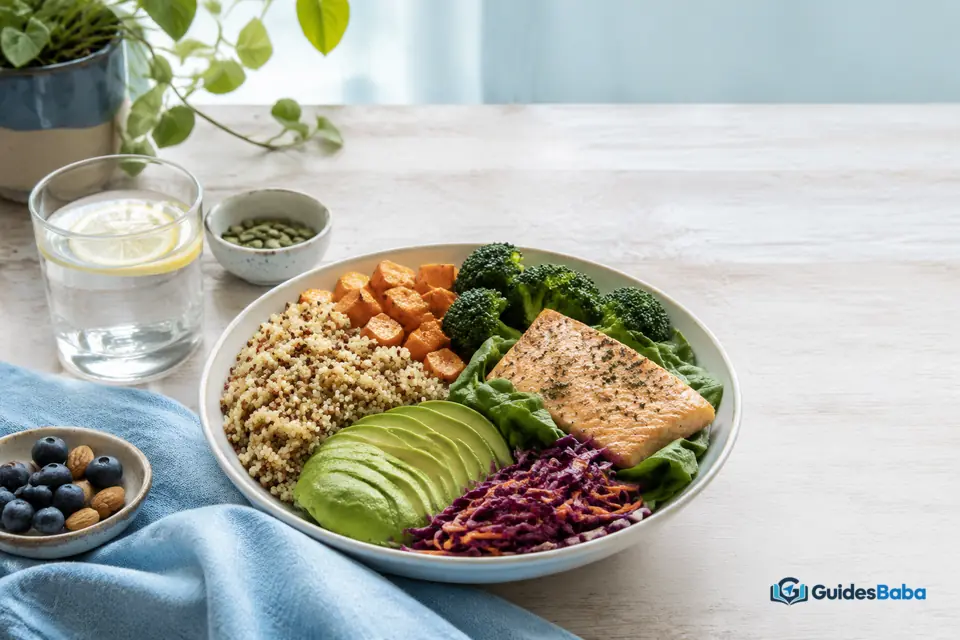
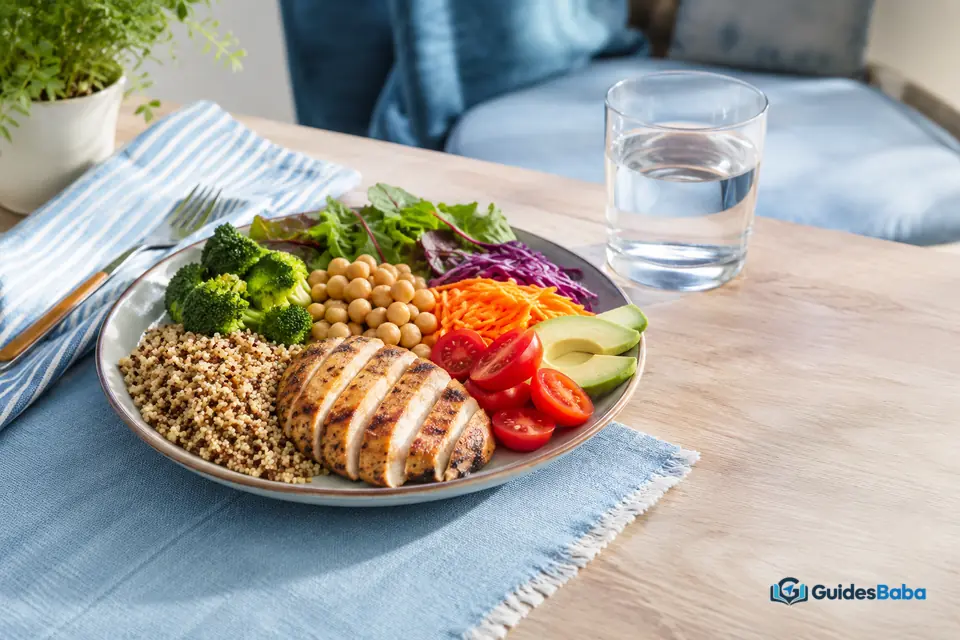
You eat every day without much thought. But how does diet affect digestion so deeply? Does food really shape how your gut works? The old saying fits. You are what you eat.
Rather than chasing quick fixes, look at your plate. Your food choices guide the whole process. Fibre, water, and gut bacteria all play a part. Small daily habits shape how you feel.
Here is the honest answer. Diet shapes digestion at every stage. Fibre adds bulk and keeps food moving. Water softens waste and prevents constipation. Gut bacteria feed on what you eat. Heavy, processed meals can slow the whole system.
This guide covers how food affects your gut. You will learn the role of fibre and water. We compare whole foods with processed foods. This is not medical advice. See a professional.
So how does diet affect digestion?
The honest answer lives on your plate. What you eat guides your whole gut. Food is the fuel and the signal. Change the food and you change the outcome.
Think of your gut like a busy river. Fibre and water keep it flowing well. Poor food choices can create blockages. The current slows when the diet is off. Good food keeps everything moving.
Does every meal matter this much? Not each one alone, but patterns count. Your daily habits shape long-term comfort. Steady choices bring steady digestion. Consistency is what truly counts here.
What digestion actually involves
Digestion is a long, connected journey. It starts in your mouth and ends further down. Every stage relies on the last. The chain works best when unbroken.
Your mouth, stomach, and gut each play a role. Enzymes break food into smaller parts. Nutrients then pass into your blood. Waste moves on toward the exit. Diet touches every single step.
When food is poor, the system struggles. When food is good, it runs smoothly. That is the simple truth. Your plate sets the pace. Better food means smoother work throughout.
Did you know?
Your gut hosts trillions of tiny microbes. The foods you eat feed and shape them daily.
How fibre keeps things moving
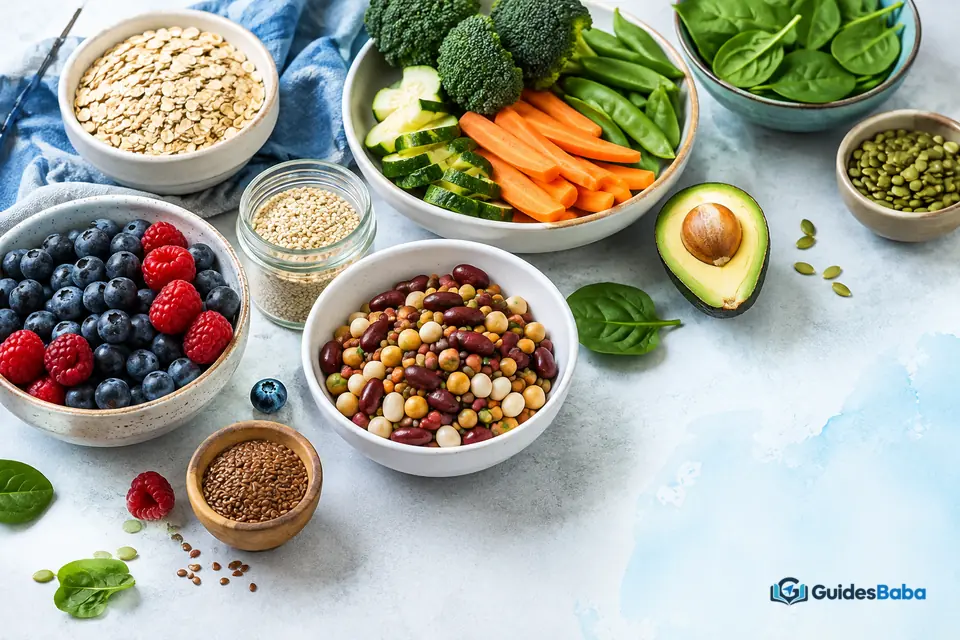
Fibre is a true hero for digestion. It adds bulk to your waste. This helps food pass smoothly. Regular meals then feel far easier.
Fibre comes in two helpful types. Soluble fibre soaks up water like a sponge. Insoluble fibre adds bulk and speed. Both keep your gut happy. These high-fibre foods support daily comfort.
Most people eat far too little fibre. Slowly add more from whole plants. Fruit, vegetables, beans, and oats all help. Rushing can cause gas at first. Go gently and stay steady. Your gut adjusts with a little time.
Why water matters for digestion

Water and fibre work as a team. Fibre needs water to do its job. Without it, digestion can stall. The two really need each other.
Water softens waste and eases its passage. It helps prevent hard, painful stools. Dehydration is a common cause of constipation. Drinking enough keeps things moving. Learn how much water to drink each day.
You do not need fancy drinks. Plain water does the job well. Sip through the day, not all at once. Your gut will thank you. Small, regular sips work best.
The role of gut bacteria
Your gut is home to countless microbes. Together they form your gut microbiome. They help digest what you eat. This partnership shapes your daily comfort.
These bacteria feed on fibre you cannot digest. In return, they make helpful compounds. A varied diet feeds a varied microbiome. Diversity tends to mean better health. Feed them well and often.
Junk food can starve good bacteria. Plants and fibre help them thrive. What you eat shapes this hidden world. Small changes shift the balance. Choose plants often to help them.
How fermented foods help
Fermented foods bring friendly bacteria along. They can support your gut balance. Many cultures have used them for ages. The tradition runs deep for good reason.
Yoghurt, kefir, and sauerkraut are common examples. Kimchi and miso also fit here. These foods add live microbes to meals. They may aid digestion for some people. Variety keeps things interesting.
You do not need large amounts. A small daily serving can help. Start slowly and see how you feel. Not everyone reacts the same way. Let your own body be the guide.

How fatty meals slow digestion
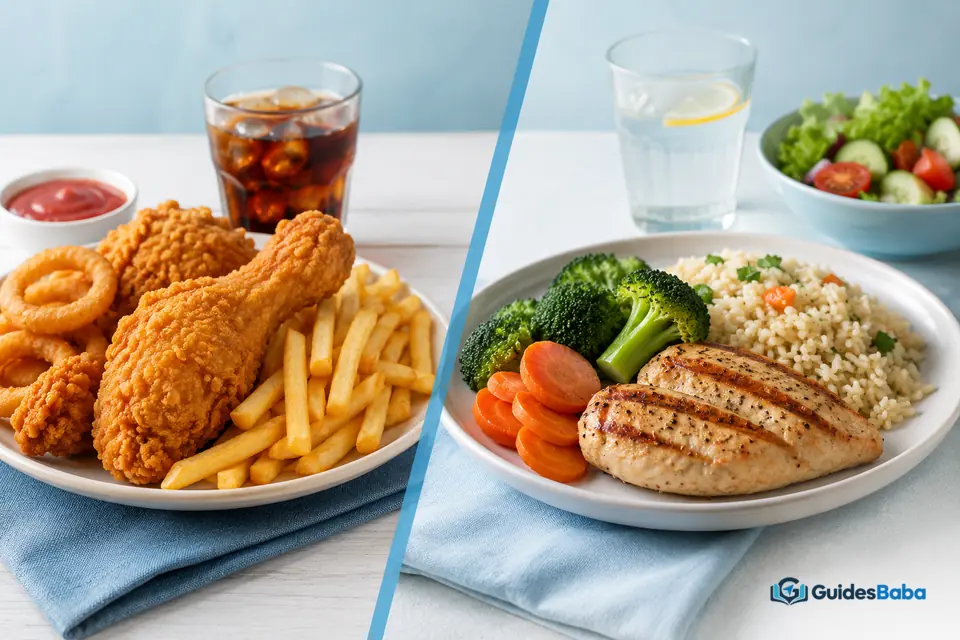
Very fatty meals take longer to digest. Your stomach empties more slowly. That heavy feeling is no accident. Your body simply needs more time.
Fried and greasy foods sit heavily. They can trigger sluggish, uncomfortable digestion. Rich meals may also cause reflux. Balance keeps meals easier to handle. Lighter plates often feel better.
You need not fear all fat. Healthy fats in moderation are fine. Olive oil, nuts, and fish are good picks. Portion size makes the difference. Keep servings sensible and steady.
How eating habits affect digestion
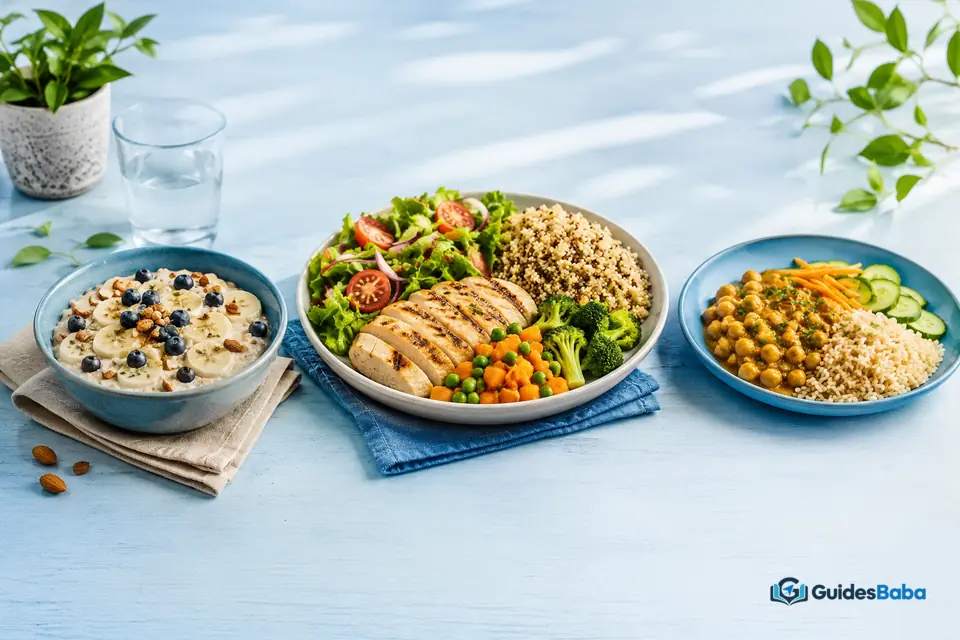
How you eat matters as much as what. Rushing meals can upset your gut. Slowing down helps a lot. Your gut prefers a gentle pace.
Chewing well starts digestion off right. It breaks food into smaller pieces. Eating slowly also reduces swallowed air. That means less gas and bloating. Calm meals help your gut.
Regular meal times can help too. Your gut likes a steady rhythm. Late, heavy meals may disturb sleep. Simple habits bring real comfort. A steady routine pays off well.
Foods that commonly cause trouble
Some foods upset digestion more often. They vary from person to person. Knowing your triggers really helps.
Very greasy and fried foods top the list. Too much sugar can feed bad bacteria. Some people struggle with certain foods that cause bloating. Others react to dairy or beans. Everyone is a little different.
Keep a simple food diary. Note what you eat and how you feel. Patterns often become clear over time. Then adjust your meals gently. Awareness is the first real step.
Processed foods and your gut
Highly processed foods can strain digestion. They often lack fibre and water. They may also feed unhelpful bacteria.
These foods are usually low in nutrients. Additives and refined flours are common. Such meals can leave your gut sluggish. Whole foods tend to work better. Simple ingredients suit digestion.
You need not cut them out fully. Just make whole foods the base. Treat processed snacks as occasional extras. Balance keeps the plan realistic. Whole foods still carry the load.
Stress and your digestion
Your mind and gut are closely linked. Stress can upset your digestion fast. Many people feel it right away.
Tension may bring cramps or nausea. It can speed up or slow the gut. Calm habits often ease these effects. Deep breaths and rest can help. Food alone is not the whole story.
You can pair good food with calm. Eat slowly in a relaxed setting. Avoid rushing meals at your desk. A calm gut digests better. Your mood and meals travel together.
Digestion and daily movement
Food is not the only factor. Gentle movement also supports digestion. A short walk can help a lot.
Activity encourages your gut to move. It can ease bloating and sluggishness. A walk after meals aids digestion. Sitting all day can slow things. Move a little every day.
You need not train hard at all. Regular gentle movement is enough. Pair good food with light activity. Together they keep your gut happy. A little effort goes a long way.
Whole foods versus processed foods
People often ask which approach digests better. The clear comparison is whole foods versus processed foods. Each affects your gut differently.
| Whole-food pattern | Processed-food pattern |
|---|---|
| Rich in natural fibre | Often stripped of fibre |
| Keeps digestion moving | Can slow digestion down |
| Feeds helpful gut bacteria | May feed unhelpful bacteria |
| Carries water and nutrients | Low in water and nutrients |
Choose whole foods as your everyday base. Processed foods can stay as treats. Your gut prefers the simpler option. Nature usually knows what it needs.
Building a gut-friendly plate

A gut-friendly plate is simple to build. Fill half with colourful vegetables. Add whole grains and lean protein.
Include a source of fibre each meal. Add fermented foods a few times weekly. Drink water alongside your food. Keep fatty, fried items small. A balanced diet supports your gut.
You do not need a perfect plate. Aim for steady, sensible meals. Variety brings a wider mix of nutrients. Small daily wins add up. Progress builds one meal at a time.
Common digestion mistakes
One common mistake is too little fibre. Many diets skip whole plants. Your gut misses the bulk it needs.
Another mistake is skimping on water. Fibre without water can cause blockage. Some people also eat too fast. Rushing brings gas and discomfort. Slow down and drink up.
Some people rely on processed meals. Others ignore clear food triggers. Small tweaks fix most problems. Listen closely to your body. It usually tells you what helps.
When digestion needs a doctor
General advice suits most healthy adults. Still, some symptoms need real attention. Do not ignore warning signs.
Ongoing pain or bleeding needs a doctor. Sudden changes in habits matter too. Conditions like IBS need proper care. Your doctor understands your full history. A quick check brings peace of mind. Early advice can save later trouble.
This is not medical advice. See a professional for ongoing problems. Use these tips as a friendly guide. Then adapt them to your needs.
Making gut-friendly habits stick
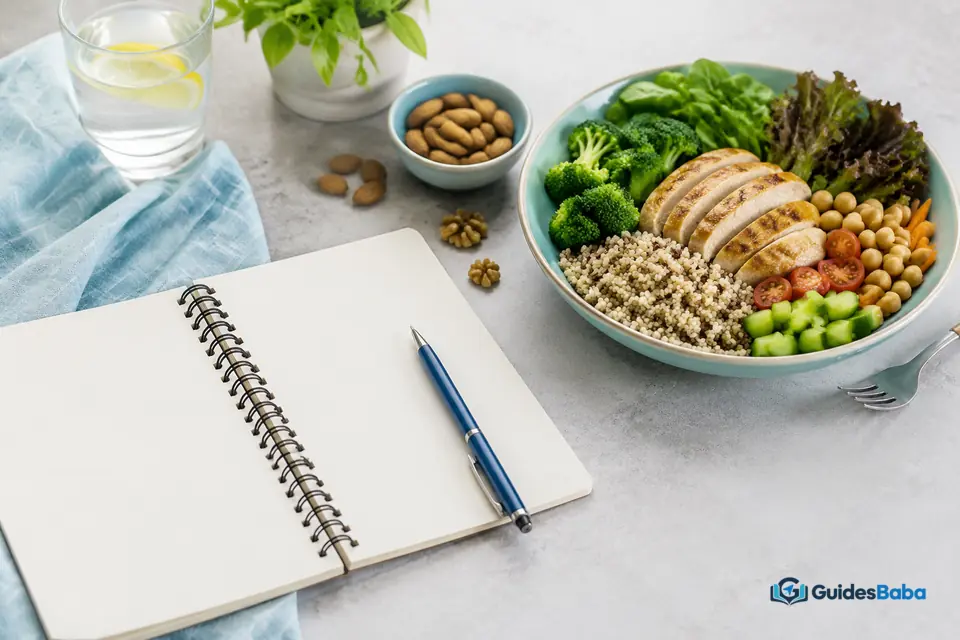
Lasting change grows from small steps. Pick one habit and start there. Build slowly over the weeks.
Add one extra vegetable each day. Swap a fizzy drink for water. Choose whole grains more often. Layer new habits one by one. Consistency beats sudden overhauls.
Above all, listen to your own gut. It signals what agrees with you. Keep foods that feel good. Trust those cues over strict rules. Your comfort is the best guide.
Frequently asked questions
How does diet affect digestion?
Diet shapes every stage of digestion. Fibre, water, and gut bacteria all respond to food.
Which foods help digestion most?
Fibre-rich plants, water, and fermented foods help. Fruit, vegetables, beans, and oats are great picks.
Does drinking water aid digestion?
Yes, water softens waste and prevents constipation. It also helps fibre do its job.
Why do processed foods upset the gut?
They often lack fibre and water. They may also feed unhelpful gut bacteria.
Can eating too fast cause problems?
Yes, rushing means less chewing and more swallowed air. That can bring gas and bloating.
Are fermented foods good for digestion?
They add friendly bacteria to your gut. Many people find they aid comfort.
How much fibre do I need?
Most people should slowly eat more fibre. Add it gently to avoid gas.
Does fatty food slow digestion?
Yes, very fatty meals empty the stomach slowly. That heavy feeling is common.
Can stress affect my digestion?
Yes, your gut and mind are closely linked. Stress can bring cramps or nausea.
When should I see a doctor?
See a doctor for ongoing pain or bleeding. Sudden changes in habits also need care.
The bottom line
So how does diet affect digestion? Food guides every stage of the process. Fibre adds bulk and keeps things moving. Water softens waste and prevents constipation. Gut bacteria feed on what you eat.
You do not need a perfect diet. Build meals around whole, simple foods. Drink water and add fibre slowly. Choose habits you can actually keep.
For more background, read this overview of digestion and its stages. You can also explore how dietary fibre supports the gut. Use trusted sources to guide your habits.
This is not medical advice. See a professional for ongoing concerns. Choose foods that feel good and gentle. Then let steady habits do the work.