
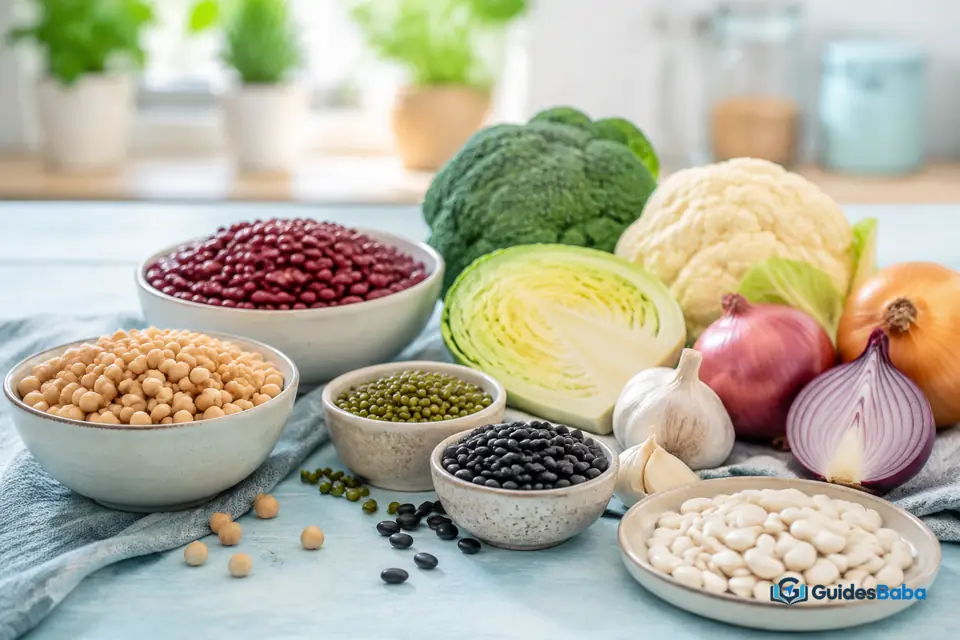
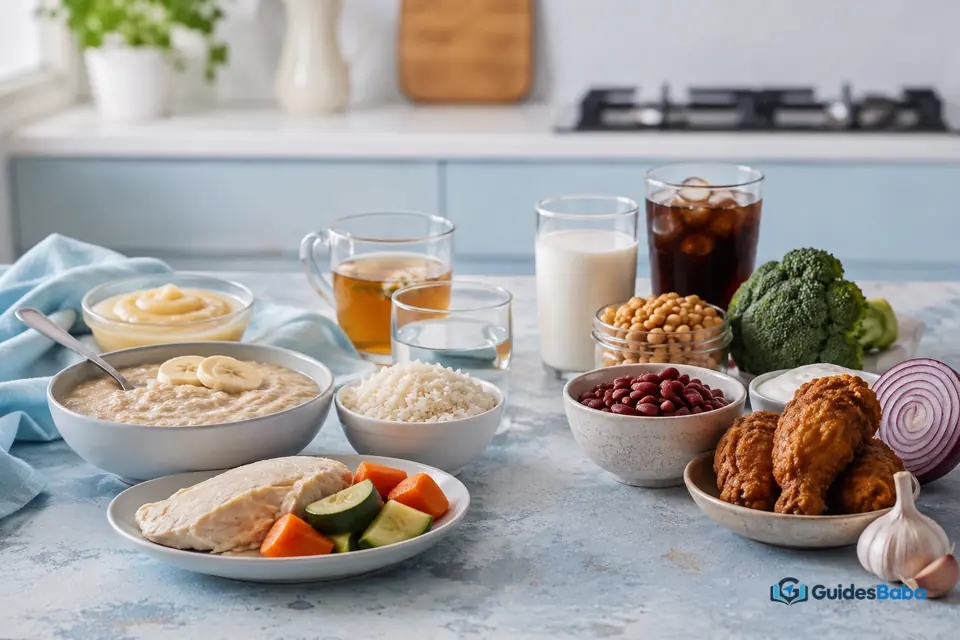
That tight, puffy feeling after meals is common. So what foods commonly cause bloating? Why does your belly swell so fast? Some usual suspects show up again and again. Your stomach often gives the game away.
Rather than blaming every meal, look closer. A few food groups cause most trouble. Gas, water, and slow digestion play a part. Knowing your triggers makes a big difference.
Here is the honest answer. Beans, lentils, and some vegetables often bloat you. Dairy troubles people who lack lactase. Fizzy drinks add gas straight to your gut. Salty and sugary foods hold water inside. Everyone reacts a little differently.
This guide covers the most common bloating foods. You will learn why each one causes it. We compare high-gas and low-gas choices. This is not medical advice. See a professional.
So what foods commonly cause bloating?
The honest answer names a few groups. Beans, dairy, and fizzy drinks lead. Certain vegetables also join the list. A few sweeteners belong there too.
Think of bloating like air in a balloon. Gas builds up and stretches your gut. Some foods produce far more gas. Others simply hold extra water. The balloon swells either way. The feeling can last for hours.
Does everyone react to the same foods? Not at all, since triggers vary. Your gut has its own quirks. Learning them brings real relief. A little detective work pays off.
What bloating actually is
Bloating is that swollen, tight feeling. Your belly feels full and puffy. Gas or water is usually behind it. The cause is rarely a mystery.
Gut bacteria ferment some foods you eat. This process releases gas inside you. Certain foods also pull in water. Both effects stretch your belly. The result feels uncomfortable. It can also look quite visible.
Occasional bloating is completely normal. Most cases pass on their own. Food is often the main cause. Small changes usually help a lot. Patience makes the difference here.
Did you know?
Beans contain sugars your gut cannot fully digest. Bacteria ferment them, which creates gas and bloating.
Beans and lentils
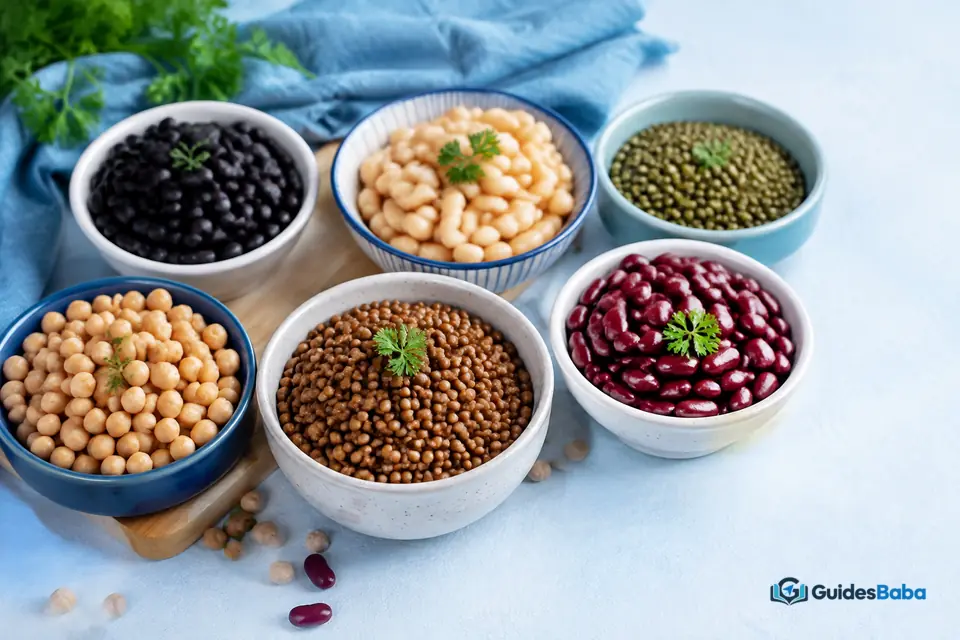
Beans and lentils are famous for bloating. They contain sugars called oligosaccharides. Your gut struggles to break these down. So they travel further along.
Bacteria ferment these sugars in your gut. That fermentation produces plenty of gas. The gas then stretches your belly. Soaking beans well can reduce this. Cooking them fully helps too. A pinch of cumin may aid you.
You need not avoid beans forever. Start with small, regular portions. Your gut can adjust over time. Rinse canned beans before use. Regular eating builds real tolerance.
Cruciferous vegetables
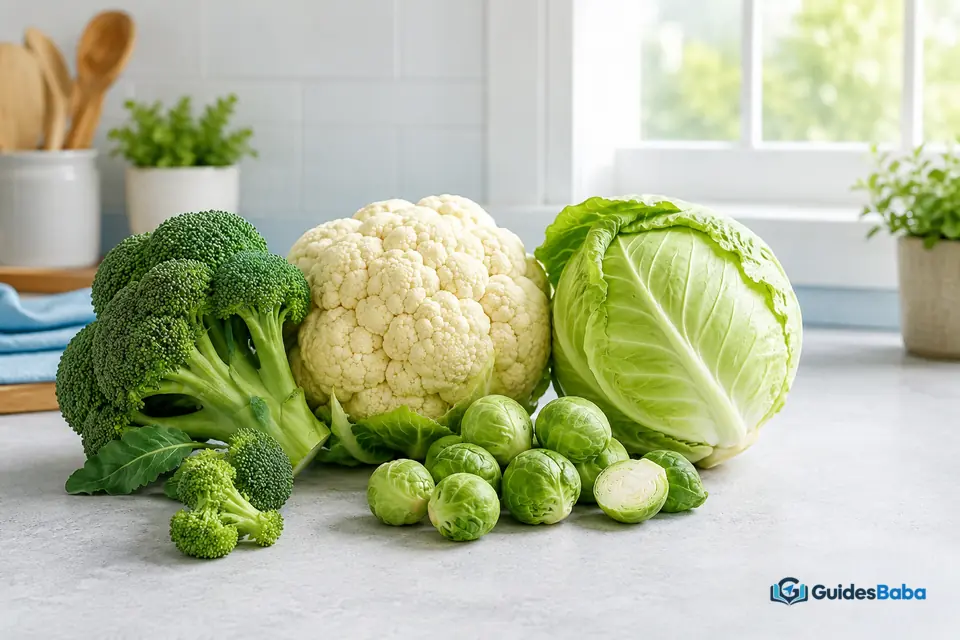
Broccoli, cabbage, and cauliflower can bloat you. These cruciferous vegetables are very healthy. Still, they produce a lot of gas. The effect catches many people out.
They contain fibre and certain sugars. Your gut bacteria ferment both. That process creates gas inside you. Brussels sprouts have the same effect. Cooking them can ease the problem. Steaming is often a gentle choice.
You should not skip these vegetables. They offer real health benefits. Eat smaller cooked portions instead. Your gut copes better that way. See our take on the best and worst vegetables.
Dairy and lactose

Dairy bloats many people worldwide. The reason is a sugar called lactose. Some guts cannot break it down. This is very common worldwide.
Lactose needs an enzyme called lactase. Many adults make less of it. Undigested lactose ferments in the gut. That brings gas and bloating. Symptoms vary from person to person. Some notice it more than others.
You have several easy options. Try lactose-free milk or hard cheeses. Small amounts may be fine. Plant-based drinks can also help. Test what your gut accepts.

Carbonated drinks

Fizzy drinks add gas directly. The bubbles are carbon dioxide gas. That gas ends up in your gut. There it builds up quickly.
Soda, sparkling water, and beer all fizz. The trapped gas expands your belly. Sugary sodas can make it worse. They feed gas-producing bacteria too. The sugar adds another problem. Still water is gentler on you.
You can swap fizz for flat drinks. Try water with a slice of lemon. Herbal teas are soothing too. Small swaps ease the pressure. Your belly feels lighter fast.
Onions and garlic
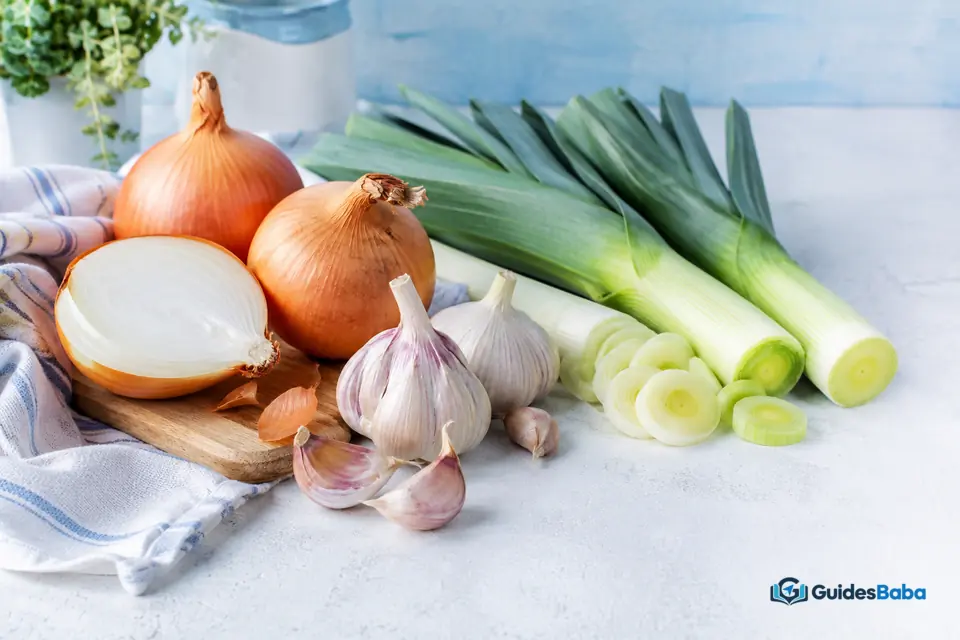
Onions and garlic pack big flavour. Sadly they also cause bloating. They contain fibres called fructans. These are tricky to digest.
Fructans are hard for the gut to absorb. Bacteria ferment them and make gas. Raw onion and garlic are strongest. Cooking can soften the effect. Small amounts may be easier. The green tops are gentler.
You can still enjoy their taste. Use garlic-infused oil for flavour. It carries taste without the fructans. Try herbs and spices too. Flavour need not mean bloating.
Wheat and gluten foods
Wheat can trouble sensitive stomachs. It contains fructans, much like onions. These ferment and create gas. The effect can feel strong.
Bread, pasta, and pastries all contain wheat. Some people feel bloated after them. A few have coeliac disease. Others are simply wheat-sensitive. The cause differs between people. Testing brings a clear answer.
You should not cut wheat without reason. Test how your body responds first. A doctor can check for coeliac disease. Whole grains still suit most people. Guessing rarely gives clear answers. Understanding how diet affects digestion helps here.
Salty and processed foods
Salt makes your body hold water. That water causes puffy bloating. Processed foods are often very salty. The salt hides in plain sight.
Ready meals and snacks pack hidden salt. Your body retains extra fluid. This leaves you feeling swollen. The bloat is only temporary. The effect is water, not gas. It usually passes fairly soon. Balance returns within a day.
You can lower your salt easily. Cook more fresh food at home. Drink water to flush excess sodium. Read labels when you shop. Fresh food keeps salt lower.
Sugar alcohols and sweeteners
Sugar-free foods can surprise you. Many contain sugar alcohols. These often cause bloating and gas. The label rarely warns you.
Sorbitol and xylitol are common ones. Your gut cannot fully absorb them. Bacteria ferment the leftovers. That creates gas and discomfort. Sugar-free gum is a frequent culprit. Mints can do the same.
You can check ingredient labels closely. Watch for words ending in -ol. Limit sugar-free sweets and gum. Small amounts are usually kinder. Moderation keeps your gut calm.
Certain fruits and bloating
Some fruits can bloat sensitive people. They contain natural sugars and fibre. Both can ferment in the gut. That releases a little gas.
Apples and pears are common triggers. They hold a sugar called fructose. Some guts absorb it poorly. Dried fruit is often stronger. Berries are usually gentler. Citrus fruits also sit well.
You should still enjoy fruit daily. Simply choose gentler options. Spread fruit across the day. Ripe fruit is often easier. Variety keeps your diet strong.
High-gas foods versus low-gas foods
People often ask what to eat instead. The clear comparison is high-gas versus low-gas foods. Gentle swaps can ease bloating.
| High-gas foods | Low-gas foods |
|---|---|
| Beans and lentils | Rice and oats |
| Broccoli and cabbage | Spinach and courgette |
| Fizzy sugary drinks | Still water and herbal tea |
| Onion and garlic | Chives and fresh herbs |
Swap gently rather than all at once. Keep foods your gut tolerates well. Balance still matters for health. Do not drop whole food groups.
How to eat trigger foods comfortably
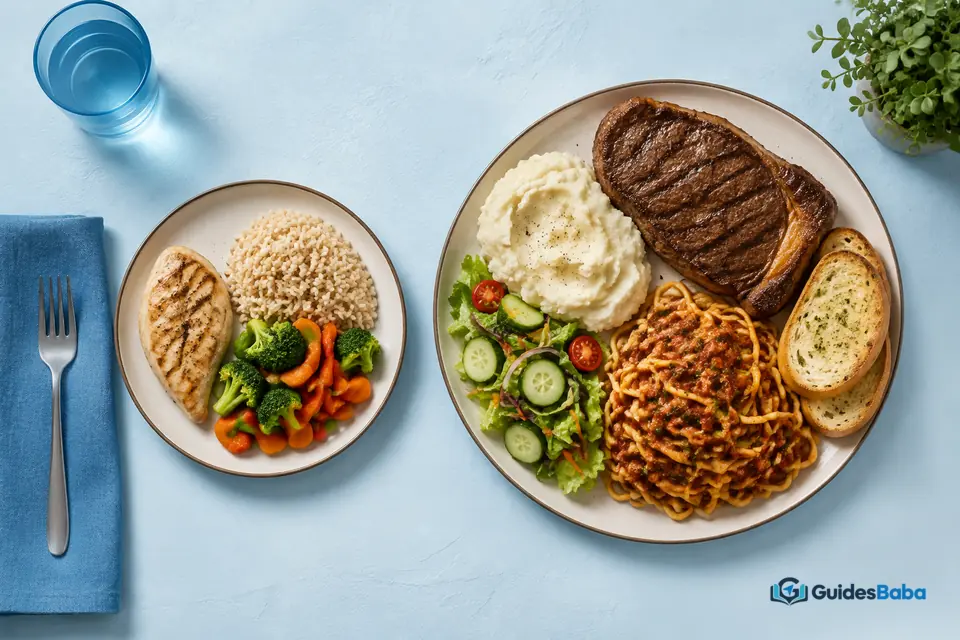
You need not ban trigger foods. Smart habits reduce their effect. A few tricks go a long way.
Cook vegetables instead of eating them raw. Soak beans and rinse canned ones. Eat smaller portions of trigger foods. Add them slowly over weeks. Your gut adapts with practice. Consistency builds real tolerance.
You can pair triggers with gentle foods. Chew slowly and eat calmly. Drink water alongside your meal. Comfort often comes down to habits. Small routines make a difference.
Habits that reduce bloating
Food is not the only factor. How you eat matters greatly. Simple habits can calm your gut.
Eat slowly and chew each bite. Avoid gulping air with your food. Skip chewing gum if it bloats you. A short walk after meals helps. Movement eases trapped gas. Gentle activity keeps things moving.
You can also spread meals out. Large meals stretch the belly more. Smaller, frequent meals feel lighter. These high-fibre foods still help overall.
Common bloating mistakes
One mistake is eating too fast. Rushing means swallowing lots of air. That air adds to the bloating. Slowing down really helps.
Another mistake is cutting fibre entirely. Too little fibre can cause constipation. That leads to more bloating, not less. Balance your fibre instead. Increase it slowly and steadily. Water helps fibre do its job.
Some people blame the wrong food. Others give up on healthy vegetables. Track your meals to find real triggers. Then adjust with care. A food diary reveals patterns.
When bloating needs a doctor
Most bloating is harmless and passing. Still, some signs need attention. Do not ignore ongoing problems. Your body may be signalling something.
See a doctor for constant or severe bloating. Watch for weight loss or pain. Conditions like IBS may need care. Your doctor understands your history. A check brings peace of mind. Early advice prevents later worry.
This is not medical advice. See a professional for lasting symptoms. Use these tips as a friendly guide. Then adapt them to your body.
Building a calmer gut routine
Lasting comfort grows from small steps. Change one habit at a time. Build slowly over the weeks.
Swap fizzy drinks for still water. Cook your vegetables more often. Eat slowly and chew well. Keep a short food diary. Notice which foods agree with you. Then repeat what works best.
Above all, listen to your own gut. It tells you what feels good. Keep those foods on your plate. Trust its steady signals. Your comfort is the best guide.
Frequently asked questions
What foods commonly cause bloating?
Beans, dairy, cruciferous vegetables, and fizzy drinks are common. Salt and sugar alcohols can also bloat you.
Why do beans cause so much gas?
Beans hold sugars your gut cannot fully digest. Bacteria ferment them and produce gas.
Does dairy always cause bloating?
No, only people low in lactase react. Lactose-free options often help them.
Can fizzy drinks bloat me?
Yes, the bubbles add gas to your gut. Still water is much gentler.
Are vegetables bad for bloating?
No, they are very healthy overall. Cooking them can reduce the gas.
Do sugar-free foods cause bloating?
Often yes, sugar alcohols ferment in the gut. Look for words ending in -ol.
How can I reduce bloating fast?
Eat slowly and take a short walk. Sip still water and avoid fizzy drinks.
Does salt cause bloating?
Yes, salt makes your body hold water. That water leaves you feeling puffy.
Should I stop eating trigger foods?
Not always, smaller portions often work fine. Your gut can adjust over time.
When should bloating worry me?
See a doctor for constant or severe bloating. Weight loss or ongoing pain also needs care.
The bottom line
So what foods commonly cause bloating? Beans, dairy, and fizzy drinks lead the way. Cruciferous vegetables and onions add gas too. Salt and sugar alcohols hold water inside. Everyone has their own triggers.
You do not need to fear food. Cook trigger vegetables and soak your beans. Eat slowly and choose still water. Find the habits that suit you. Small tweaks bring real comfort.
For more background, read this overview of bloating and its causes. You can also explore the FODMAP approach to trigger foods. Use trusted sources to guide your choices.
This is not medical advice. See a professional for ongoing symptoms. Choose foods that feel good and gentle. Then let steady, calm habits do the work.