


Living with a sensitive gut can feel confusing. So what is a low-FODMAP diet exactly? Could everyday foods be the hidden problem? Sometimes the answer is right under your nose. This approach helps many people find it.
Rather than guessing at random, this diet is structured. It removes certain carbs for a short time. Then it reintroduces them one by one. The goal is to find your triggers.
Here is the honest answer. A low-FODMAP diet limits certain fermentable carbs. These carbs can trigger gut symptoms in some people. You cut them out for a few weeks. Then you slowly add them back. This helps reveal your personal triggers.
This guide covers how the diet works. You will learn its three main phases. We compare high-FODMAP and low-FODMAP foods. This is not medical advice. See a professional.
So what is a low-FODMAP diet?
The honest answer is fairly simple. It is a short-term eating plan. It limits certain fermentable carbohydrates. The plan is careful and structured.
Think of it like a careful experiment. You remove suspect foods first. Then you test them one at a time. This reveals which ones cause trouble. Your gut gives the answers. The method is logical and clear.
Is it a forever diet? No, it is meant to be temporary. The strict phase lasts only weeks. You should do it with support. A professional should guide the process. Going solo is rarely wise.
What FODMAPs actually are
FODMAP is a helpful acronym. It names a group of carbs. These carbs ferment in your gut. That is where trouble begins.
The letters stand for several carb types. They include certain sugars and fibres. Examples are lactose, fructose, and fructans. Your gut may absorb them poorly. Bacteria then ferment the leftovers. This happens further along the gut.
This fermentation can create gas and water. That leads to bloating and discomfort. Sensitive guts react more strongly. The diet targets these specific carbs. It aims to ease symptoms. Relief is the whole point.
Did you know?
FODMAP researchers first developed this diet in Australia. It was designed to help manage gut symptoms.
Why the diet was developed
Researchers wanted to help sensitive guts. Many people struggled with ongoing symptoms. Standard advice did not always work. A fresh approach was needed.
They noticed certain carbs triggered problems. These fermentable carbs seemed to be key. Removing them often eased symptoms. Reintroducing them helped pinpoint triggers. This became the low-FODMAP approach.
The diet is now widely studied. Many find it genuinely helpful. Still, it needs proper guidance. A dietitian can support you best. Evidence keeps growing steadily.
Who might try this diet
This diet is not for everyone. It mainly helps specific gut conditions. Guidance decides if it suits you. It is a targeted tool.
People with IBS often explore it. Those with ongoing bloating may too. It is not a general weight plan. It targets gut symptoms directly. A professional should confirm the need. Self-starting is not advised here.
You should not self-diagnose a gut condition. See a doctor about your symptoms first. Other problems can look similar. Rule those out before starting. This is not medical advice. A checkup gives real clarity.
The three phases explained
The diet works in three clear phases. Each phase has its own purpose. Together they reveal your triggers.
The first phase removes high-FODMAP foods. The second reintroduces them slowly. The third builds your personal plan. Each one leads to the next. You move through them in order. Each step matters a lot. Skipping one weakens the results.
You should not skip any phase. Rushing can muddle your results. Give each stage enough time. Patience makes the plan work. Slow and steady wins here. Order keeps the results reliable.

Phase one: elimination

The first phase is the strictest. You remove high-FODMAP foods completely. This lasts only a few weeks.
You swap them for low-FODMAP options. Symptoms often settle during this time. It gives your gut a rest. The phase is short by design. You should not extend it needlessly. A few weeks is usually plenty.
This step is not meant to last. Long restriction can harm your nutrition. A dietitian keeps it balanced. Move on once symptoms improve. Do not linger in this phase.
Phase two: reintroduction
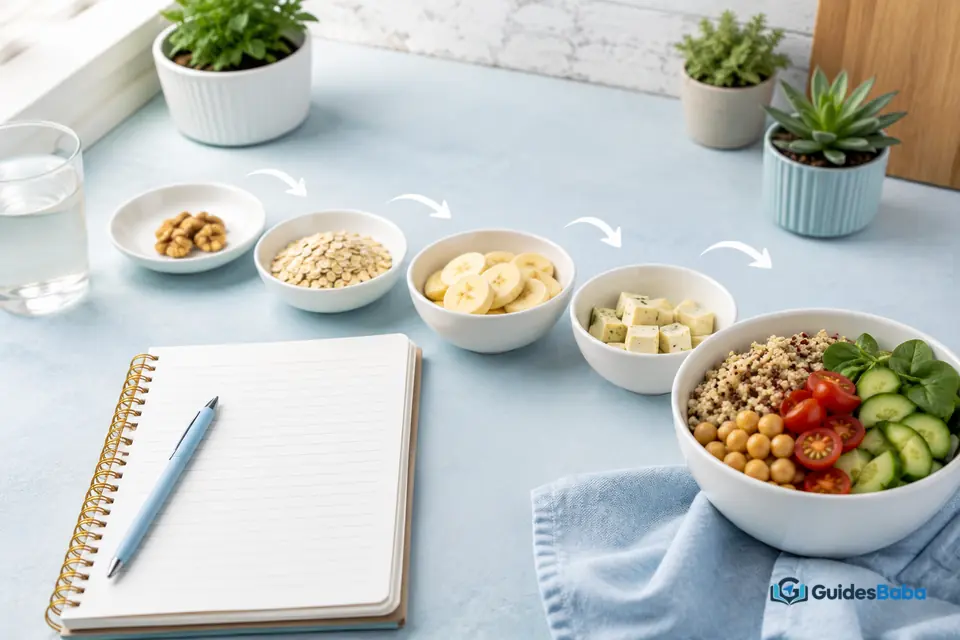
The second phase brings foods back. You add them one group at a time. This tests your tolerance carefully. One change at a time.
You try a single FODMAP group. Then you watch for any symptoms. You note how your body reacts. Each test takes a few days. Then you try the next group. Careful notes really help here.
This phase reveals your real triggers. Some foods may bother you. Others may be perfectly fine. The results guide your future eating. This knowledge is truly valuable.
Phase three: personalisation
The final phase builds your plan. You keep foods that agree with you. You limit only real triggers. This is the lasting stage.
This gives you the widest possible diet. You avoid needless restriction. Your meals stay varied and balanced. You enjoy foods that feel fine. Only true triggers are limited. The diet becomes your own.
You are not stuck on a strict diet. The aim is long-term freedom. You eat as widely as you can. Comfort and variety both matter. Freedom is the real goal.
Common high-FODMAP foods

Many everyday foods are high in FODMAPs. They are not bad foods. They simply trouble sensitive guts.
Onions, garlic, and wheat are common ones. Beans, lentils, and some fruits qualify too. Milk and soft cheeses contain lactose. Certain sweeteners are high as well. The list is quite broad. Many are common everyday foods.
You do not cut these forever. You only avoid them during phase one. Many return after reintroduction. Most people tolerate several of them. Some of these foods can cause bloating too.
Common low-FODMAP foods

Plenty of foods are low in FODMAPs. These form the base of phase one. Meals can still be tasty. You will not go hungry.
Rice, oats, and potatoes work well. Carrots, spinach, and courgette are fine. Firm bananas and oranges suit many. Eggs, meat, and fish contain none. Hard cheeses are usually low. Many herbs and spices work too.
You can build full meals from these. Variety keeps eating enjoyable. Good fibre foods still fit here. Balance stays important throughout. Nobody should feel deprived.
How long the diet takes
People often ask about the timeline. The full process takes some weeks. Each phase needs its own time.
Phase one usually runs a few weeks. Reintroduction can take several more. It moves group by group. The final phase then continues. Overall it spans a couple of months. The timeline suits most people.
You should not rush the steps. Each phase serves a purpose. Give the plan enough time. Your results will be clearer. Rushing only clouds the picture.
High-FODMAP versus low-FODMAP foods
People often ask what to swap. The clear comparison is high-FODMAP versus low-FODMAP foods. Simple swaps make phase one easier.
| High-FODMAP foods | Low-FODMAP swaps |
|---|---|
| Onion and garlic | Chives and garlic oil |
| Wheat bread | Sourdough or oat bread |
| Regular milk | Lactose-free milk |
| Apples and pears | Oranges and firm bananas |
Swap gently and keep meals balanced. A dietitian can suggest more options. Simple changes ease the strict phase. Small swaps add up quickly. Flavour need not suffer at all.
Why professional guidance matters

This diet needs expert support. It is complex and quite strict. A dietitian keeps it safe.
They ensure you still get nutrients. They guide each phase properly. They help you read food labels. They prevent needless long restriction. Their support improves your results. Expert eyes catch hidden problems.
You should not attempt it alone. Doing so risks poor nutrition. It can also confuse your results. This is not medical advice. See a professional first. Support truly pays off.
Common low-FODMAP mistakes
One mistake is staying strict too long. Phase one is meant to be short. Long restriction can harm nutrition.
Another mistake is skipping reintroduction. Some people stay on phase one. They miss the whole point. Reintroduction reveals your real triggers. Do not skip that step. It is the most useful phase.
Some try it without any support. Others cut foods they actually tolerate. Both lead to a poorer diet. Guidance avoids these traps. Support keeps you on course.
Keeping your nutrition balanced
Restriction can affect your nutrition. Some low-FODMAP diets lack fibre. Careful planning keeps meals complete.
You still need a range of nutrients. Include low-FODMAP fibre sources. Skimping on fibre can backfire. Oats, carrots, and oranges help. A dietitian checks for any gaps. Balance protects your health. Nutrients should never be forgotten.
You should not lose variety. Eat as widely as the phase allows. Learn how diet affects digestion overall. Whole foods still matter here. Aim for a colourful plate.
Is low-FODMAP right for you
This diet suits some people well. Others may not need it at all. A professional helps you decide. It is not a universal fix.
It can ease stubborn gut symptoms. Still, it is not a first step. Simpler changes may work first. Basic habits sometimes solve it. Your doctor can advise on this. Personal guidance matters greatly here. Everyone’s gut is different.
You should weigh it up carefully. It takes real time and effort. The reintroduction phase needs patience. Support makes it far easier. Weigh the effort against the benefit.
Making the diet manageable

A strict diet can feel daunting. Small steps make it easier. Preparation is your best friend. A little planning goes far.
Plan your meals in advance. Keep low-FODMAP staples at home. Read labels before you buy. Cook simple meals you enjoy. Ask your dietitian for ideas. Batch cooking saves real time.
Above all, be patient with yourself. The process takes several weeks. Progress comes step by step. Support keeps you on track. Each small win truly counts.
Frequently asked questions
What is a low-FODMAP diet?
It is a short-term plan limiting certain fermentable carbs. It helps find your gut triggers.
What does FODMAP stand for?
It names a group of fermentable carbs. These include certain sugars and fibres.
Who is the diet for?
It mainly helps people with IBS. A professional should confirm it suits you.
How long does phase one last?
The strict phase usually lasts a few weeks. It is not meant to continue.
Can I do it alone?
It is best done with a dietitian. They keep it safe and balanced.
Is low-FODMAP a weight-loss diet?
No, it targets gut symptoms, not weight. It is a short-term tool.
What foods are high in FODMAPs?
Onions, garlic, wheat, beans, and milk are common. Some fruits and sweeteners qualify too.
What foods are low in FODMAPs?
Rice, oats, carrots, eggs, and firm bananas work well. Meat and fish contain none.
Is the diet meant to be permanent?
No, it is a short-term learning process. You end with a wider, personal diet.
Does it always work?
It helps many people, but not everyone. A professional can guide your choice.
The bottom line
So what is a low-FODMAP diet? It limits certain fermentable carbs for a while. Then it reintroduces them one by one. This reveals your personal gut triggers. It works in three clear phases.
You should not try it alone. Work with a registered dietitian. They keep the plan safe and balanced. Do it only under professional guidance.
For more background, read this overview of the FODMAP concept. You can also learn about irritable bowel syndrome. Use trusted sources to guide your choices.
This is not medical advice. See a professional before you start. Choose an approach that suits your health. Let a dietitian support each phase. Then let expert guidance lead the way.