
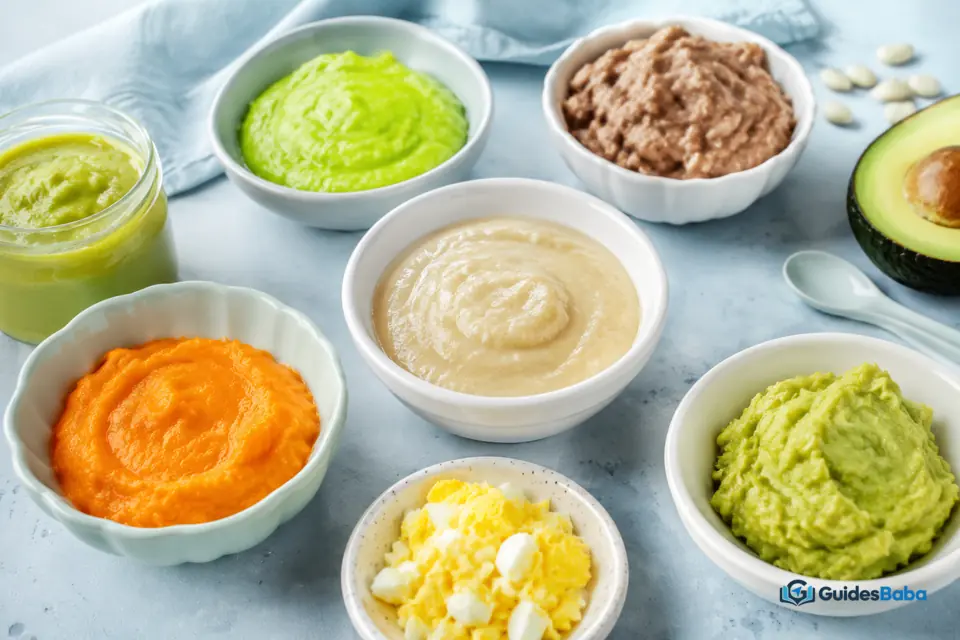
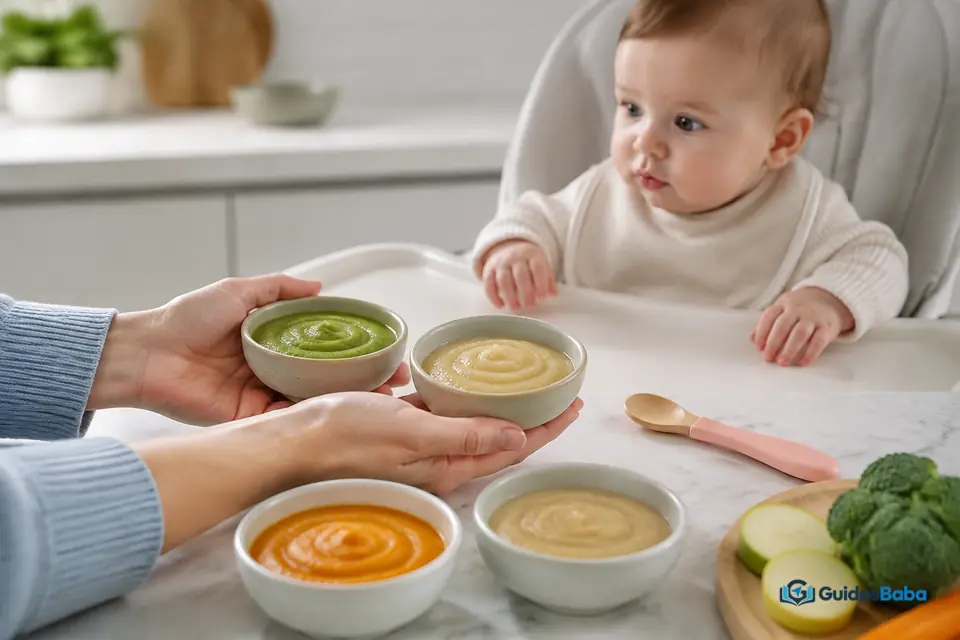
Starting solids feels like a big milestone. So what are the best first foods for babies? Many parents feel unsure where to begin. It is easy to feel out of your depth. A gentle start makes all the difference.
Rather than chasing trendy foods, keep it simple. Fresh, soft, single foods work well. Your baby is learning brand new skills. Slow and steady wins here.
Here is the honest answer. Start with soft, iron-rich, single-ingredient foods. Simple vegetables and fruits are great first choices. Iron-rich options like cereal or lentils help too. Offer smooth textures at the very beginning. Always follow your own pediatrician for advice.
This guide covers general first-food ideas. You will learn about textures and timing. We also cover foods to avoid early. This is not medical advice. See a professional.
So what are the best first foods for babies?
The honest answer is soft, simple foods. Single-ingredient purees are a classic start. They are gentle on tiny tummies. Simple really is best here.
Think of first foods like a first language. Your baby learns one word at a time. Start with one food, then add more. Smooth vegetable and fruit purees work well. Iron-rich foods matter from the start. Do you need fancy recipes? No, plain single foods are perfect.
Which food should come first? There is no single right answer. Many families begin with vegetables or iron-rich foods. Your pediatrician can guide your choice. Personal advice always comes first.
Why first foods matter
First foods do more than fill tummies. They teach new tastes and textures. They build early eating skills. These moments really shape habits.
Around six months, milk alone is not enough. Babies need extra iron and energy then. Solid foods help fill that gap. They support steady growth and development. Breast milk or formula still stays central. Food and milk work together now.
You do not need to rush this. Every baby moves at their own pace. Small tastes are a gentle beginning. Your pediatrician will track progress. Patience matters more than speed.
Did you know?
Babies are often born with iron stores. These stores start to run low near six months.
Signs your baby may be ready
Readiness is about skills, not just age. Babies usually start solids around six months. Some signs show they may be ready. Watch your own baby closely.
Your baby should sit up with support. They should hold their head steady. Many reach for food with interest. Some lose the early tongue-thrust reflex. These signs often appear together. Your pediatrician can confirm readiness.
Do not start solids too early. Before four months is generally too soon. Milk should remain the main food then. Learn more about when babies start solid foods here. Always confirm timing with your doctor.
Simple vegetable purees
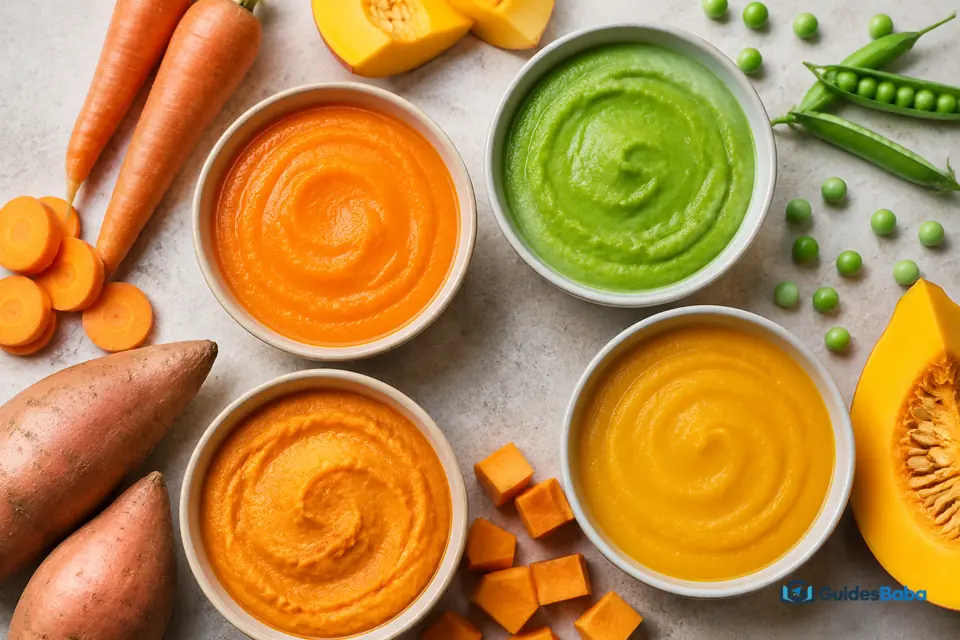
Vegetables make gentle, savoury first foods. Their mild flavours suit new eaters. Early veg may build broad tastes. Simple options work best.
Try soft-cooked carrot, pumpkin, or sweet potato. Peas and green beans work well too. Cook them until very soft. Blend to a smooth, runny puree. Offer one new vegetable at a time. Watch for any reaction each time.
You can loosen purees with milk. Use your usual breast milk or formula. Keep the texture smooth at first. Your baby sets the pace. Let them explore each new taste.
Soft fruit options
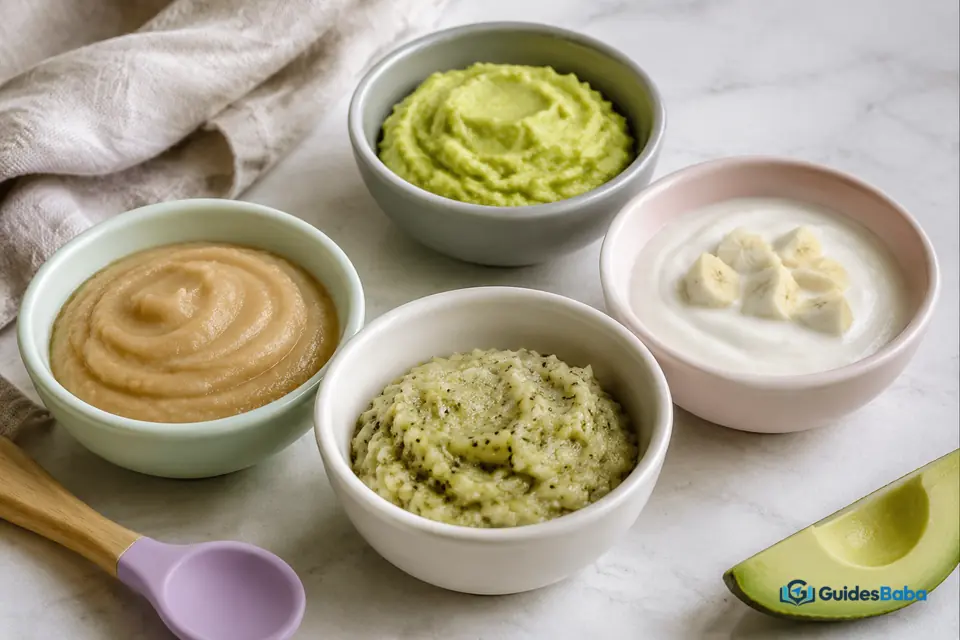
Fruit adds natural sweetness and variety. Soft fruits are easy to prepare. They bring vitamins and fibre. Babies often enjoy them quickly.
Mashed banana is a simple classic. Cooked apple or pear works well. Ripe avocado is soft and creamy. Stewed fruits blend smoothly too. Always remove pips, stones, and skins. Serve fruit soft and well mashed.
You should still offer plenty of vegetables. Balance sweet fruits with savoury foods. This helps broaden your baby’s palate. Variety builds healthy habits early. Fruit is a treat, not the whole meal.
Iron-rich first foods
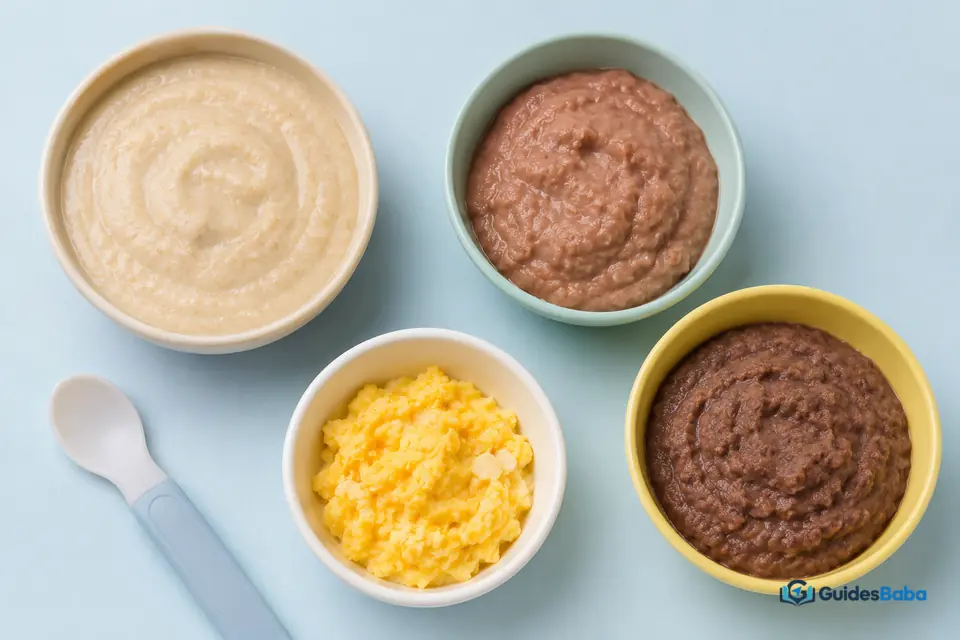
Iron is a key early nutrient. A baby’s iron stores drop near six months. Good first foods can help.
Iron-fortified baby cereal is one option. Well-cooked lentils and beans help too. Pureed meat offers iron as well. Dark leafy greens add a little. Pair iron foods with vitamin C. Explore foods highest in iron here.
You should offer iron foods regularly. They support healthy blood and energy. Your pediatrician may check iron levels. Follow their advice on any supplements. Never guess doses on your own.

First grains and cereals
Grains give gentle energy and iron. Baby cereals are a common choice. Soft cooked grains work too. They are easy to digest.
Iron-fortified infant cereal mixes easily. Try soft oats or well-cooked rice. Mix with milk to a smooth paste. Start thin, then slowly thicken it. Offer small spoonfuls at first. Let your baby set the pace.
You can rotate different gentle grains. Variety exposes new tastes and textures. Avoid adding salt or sugar. Keep grains plain and simple. Your pediatrician can suggest good options.
Introducing protein foods
Protein supports your baby’s rapid growth. Soft protein foods can start early. Offer them well cooked and smooth. Small amounts are plenty.
Try pureed chicken, lentils, or beans. Well-mashed egg is another option. Smooth yoghurt suits many babies too. Cook meat until soft and tender. Blend to remove any lumps. See high-protein foods for ideas.
You should introduce common allergens carefully. Egg and dairy are frequent allergens. Offer one new food at a time. Watch closely for any reaction. Your pediatrician can guide this step.
Healthy fats for babies
Babies need healthy fats for growth. Fat fuels brain and body development. First foods can include gentle fats. They matter a great deal.
Mashed avocado brings creamy healthy fat. Full-fat yoghurt is another source. Soft oily fish can help later. Small amounts go a long way. Nut butters must be thin and smooth. Keep every portion soft and safe.
You should not restrict fat for babies. Their needs differ from adult diets. Whole, gentle foods supply good fats. Keep portions small and soft. Your pediatrician can advise further.
Preparing first foods safely
Safe preparation protects your baby. Clean hands and surfaces matter. Cook foods until soft. Good hygiene keeps meals safe.
Wash fruit and vegetables well. Cook meat and eggs thoroughly. Cool hot food before serving. Always test the temperature first. Store any leftovers safely and promptly.
You should check food temperature carefully. Serve it warm, never hot. Throw away uneaten portions. Simple hygiene protects your baby.
Drinks alongside first foods
Milk stays the main drink now. Breast milk or formula leads. Water can join at mealtimes. Drinks support new solid foods.
Offer cooled water in an open cup. Small sips help with solids. Avoid sugary drinks and juice. Milk still meets most needs. Let your baby practise sipping.
You should not replace milk yet. Solids add to milk feeds. Your pediatrician can guide amounts. Balance drinks and food gently.
Textures and moving forward
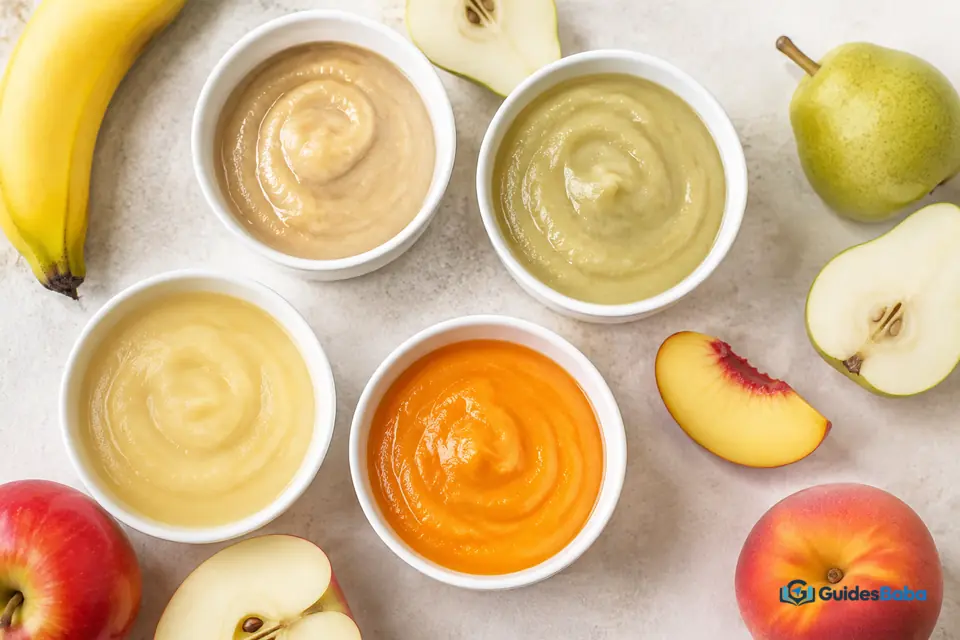
Textures change as your baby grows. Smooth purees come first. Thicker mashes follow over time. Progress at your baby’s pace.
After smooth foods, try soft lumps. Move on to mashed and minced textures. Soft finger foods can come next. Offer safe, soft strips to hold. Always stay close during meals. Never leave a baby alone while eating.
You should follow your baby’s cues. Some accept textures faster than others. There is no fixed timetable. Your pediatrician can reassure you.
Purees versus baby-led weaning
Parents often ask about two approaches. The common comparison is purees versus baby-led weaning. Both can work well safely.
| Spoon-fed purees | Baby-led weaning |
|---|---|
| Smooth foods on a spoon | Soft finger foods to hold |
| Parent controls the pace | Baby explores at own pace |
| Easy to judge amounts | Encourages self-feeding skills |
| Guided by your pediatrician | Guided by your pediatrician |
Many families happily mix both methods. Choose what suits your baby. Safety and supervision always come first. Your pediatrician can help you decide.
Foods and things to avoid early
Some foods are not safe yet. Knowing them keeps your baby safe. Your pediatrician can share a full list. Local advice may vary a little.
Avoid honey before one year of age. Skip whole nuts and hard chunks. Limit added salt and sugar completely. Cut round foods like grapes small. Avoid unpasteurised dairy products too. See foods babies should avoid here.
You should stay alert to choking hazards. Cut foods into safe, small pieces. Always supervise every single meal. Learn safe first aid too. Your pediatrician can guide you further.
Common first-food mistakes
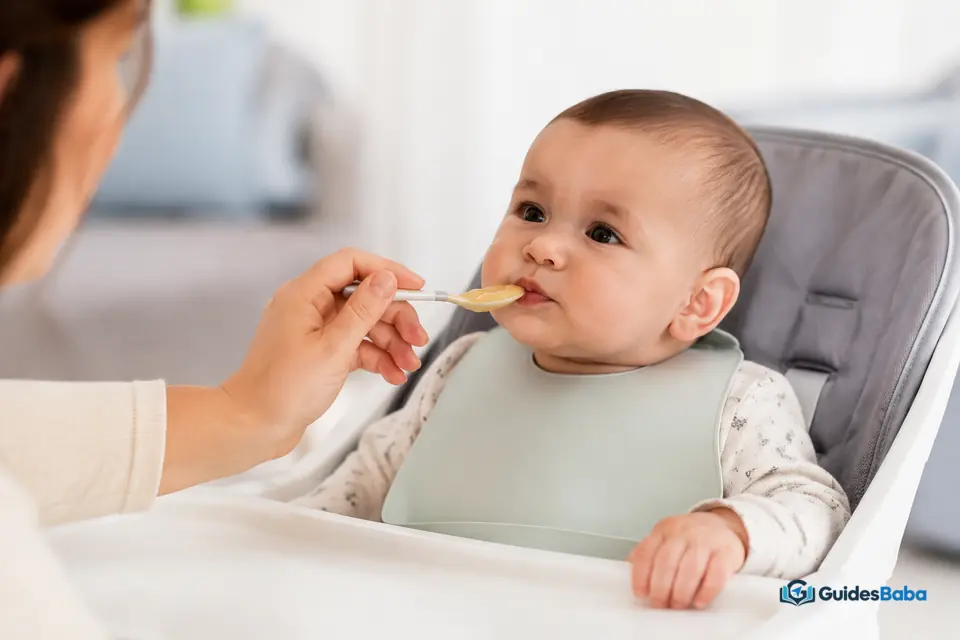
One mistake is starting solids too early. Milk should lead before four months. Rushing helps no one. Timing really matters.
Another mistake is adding salt or sugar. Babies do not need either one. Some parents give risky foods too soon. Others skip iron-rich options. Both can cause problems. Plain, simple foods are safest.
You should avoid forcing your baby to eat. Let them stop when full. Never leave them alone with food. Trust their hunger cues. Your pediatrician can correct any worries.
When to ask your pediatrician
General tips suit many babies well. Still, every baby is unique. Personal advice always matters most. Your baby’s needs are their own.
See your pediatrician for regular checks. Ask about timing, iron, and allergens. Some babies need special care. Reflux or allergies need extra attention. Your doctor will tailor everything. Regular visits keep you reassured.
This is not medical advice. See a professional for your own plan. Use these ideas as gentle background. Then follow your trusted care team. They know your baby’s full history.
Building calm mealtime habits
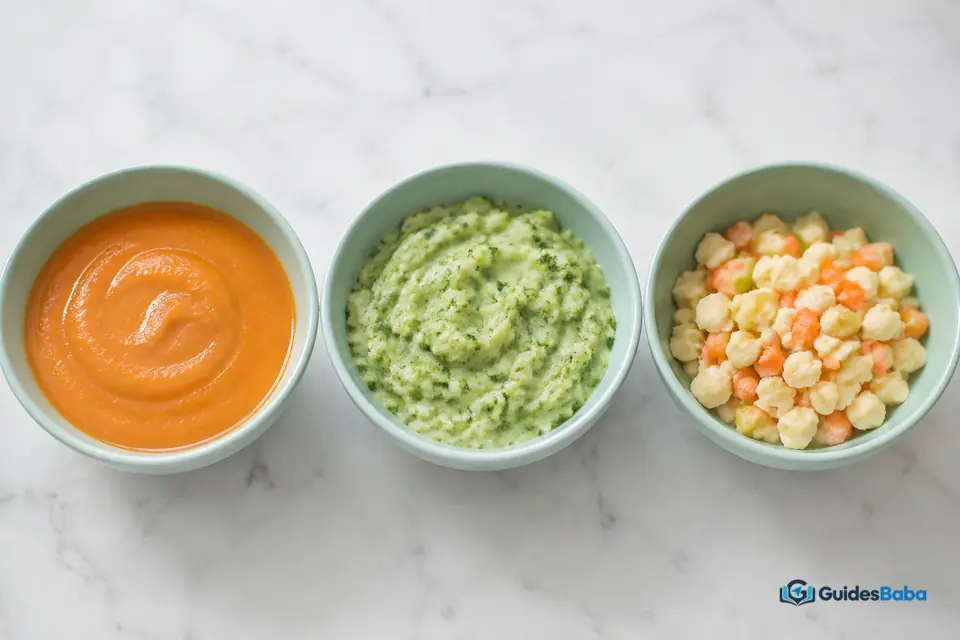
Happy mealtimes build healthy eaters. Keep the mood calm and relaxed. Let your baby explore freely. Small habits grow over time.
Eat together as a family when possible. Let your baby see you enjoy food. Expect mess and stay patient. Offer new foods many times. Never rush or pressure eating.
Above all, watch your own baby. They signal hunger and fullness clearly. Follow their lead at each meal. Lean on your care team.
Frequently asked questions
What are the best first foods for babies?
Soft, iron-rich, single-ingredient foods are great. Try smooth vegetables, fruits, and iron-rich options.
When should babies start solids?
Most babies start solids around six months. Always confirm timing with your pediatrician.
Can babies have honey?
No, avoid honey before one year of age. It carries a serious botulism risk.
Should first foods be pureed?
Smooth purees suit many babies at first. Some families choose soft finger foods instead.
How do I add iron?
Offer iron-fortified cereal, lentils, or pureed meat. Pair them with vitamin C foods.
How many foods at once?
Introduce one new food at a time. Then watch closely for any reaction.
Do babies need salt or sugar?
No, babies do not need added salt or sugar. Keep first foods plain and simple.
What are choking hazards?
Whole nuts, hard chunks, and whole grapes are risky. Cut foods small and always supervise.
Can I offer allergens?
Common allergens can be introduced carefully and early. Ask your pediatrician for guidance first.
When should I seek advice?
See your pediatrician for regular checks. Ask about any feeding concerns straight away.
The bottom line
So what are the best first foods for babies? Choose soft, simple, iron-rich options. Offer smooth vegetables, fruits, and cereals. Introduce one new food at a time. Keep every meal calm and supervised.
You do not need fancy recipes. Focus on plain, whole foods. Avoid honey, salt, sugar, and choking hazards. Lean on your pediatrician throughout.
For general background, read this overview of baby food. You can also learn about weaning. Use trusted sources alongside professional advice.
This is not medical advice. See a professional for your own care. Every baby is truly different and special. Then let your trusted team guide you.