
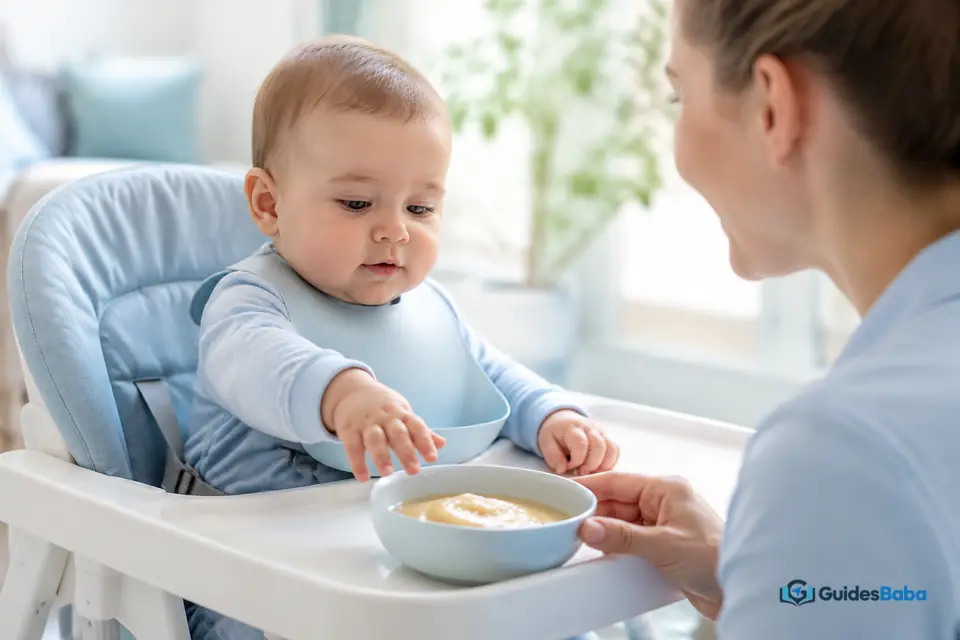
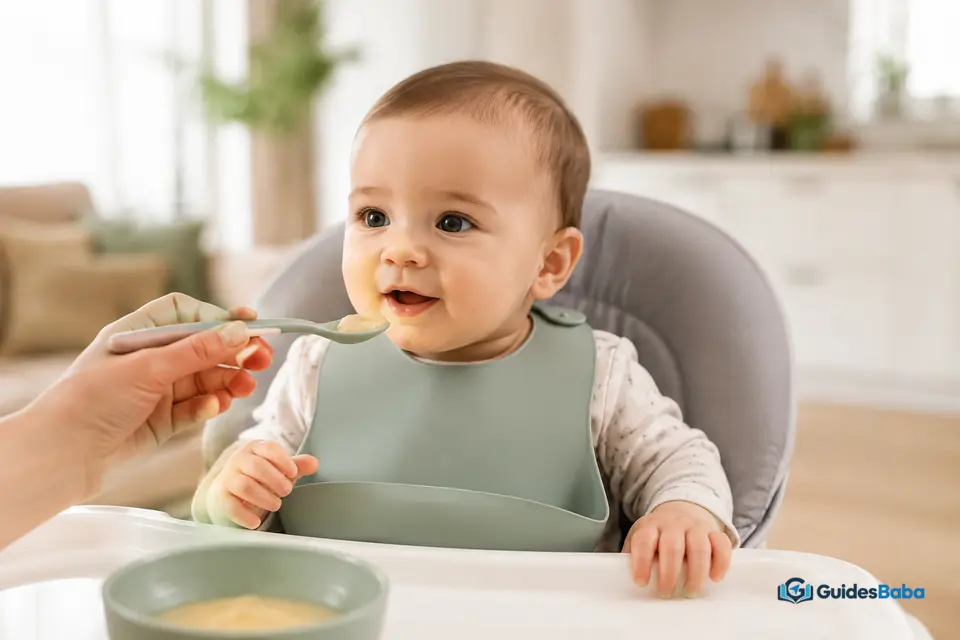
Weaning is an exciting new chapter. So how do you know when a baby is ready for solid food? Many parents jump the gun too soon. Readiness is about more than age. The right signs point the way.
Rather than watching the calendar alone, watch your baby. Skills matter more than a birthday. Every baby develops at their own pace. Look for clear, steady signs.
Here is the honest answer. Most babies are ready around six months. They can sit up with support. They hold their head steady. They show real interest in food. Always confirm readiness with your pediatrician.
This guide covers general readiness signs. You will learn what to look for. We also cover common timing mistakes. This is not medical advice. See a professional.
So how do you know when a baby is ready for solid food?
The honest answer is watching for key signs. Age gives a rough guide only. Real readiness shows in skills. Signs matter most here.
Think of readiness like learning to walk. It arrives when the body is ready. Your baby will show clear clues. They sit steadily and reach for food. They can move food to swallow. Is one sign enough? No, look for several together.
Which sign matters most? No single clue tells the whole story. Look at the full picture instead. Your pediatrician can confirm your read. Personal advice always comes first.
Why readiness matters
Readiness keeps early feeding safe. A ready baby can handle food. An unready baby may struggle. Timing protects your baby.
Starting too early carries real risks. The gut and mouth need time. Waiting for signs lowers choking risk. It also helps digestion. Ready babies feed more happily. Signs guide safe, gentle progress.
You should never force the timeline. Let your baby lead the way. Watch closely for genuine cues. Your pediatrician can reassure you. Patience keeps feeding safe.
Did you know?
Most health bodies suggest starting solids around six months. Milk still provides most nutrition in that early period.
The typical age for starting solids
Age offers a helpful starting guide. Around six months is common advice. Some babies are ready a little later. Use age as one clue.
Before four months is generally too early. The body is still developing then. Around six months, needs begin to change. Iron stores also start to fall. Milk alone becomes less enough. Read about when babies start solid foods here.
You should pair age with real signs. Do not rely on age alone. Every baby has their own timing. Your pediatrician can guide you. Signs matter more than dates.
Sitting up and head control

Good posture is a core sign. Your baby should sit with support. They must hold their head steady. Stability keeps swallowing safe.
A steady head lowers choking risk. Sitting upright helps food go down. Slumped babies struggle to swallow safely. Strong neck control really matters. Watch for calm, upright sitting. This sign is truly important.
You should wait for solid head control. Never feed a reclined baby solids. Upright feeding is much safer. Your pediatrician can check posture. Safety always comes first.
Losing the tongue-thrust reflex
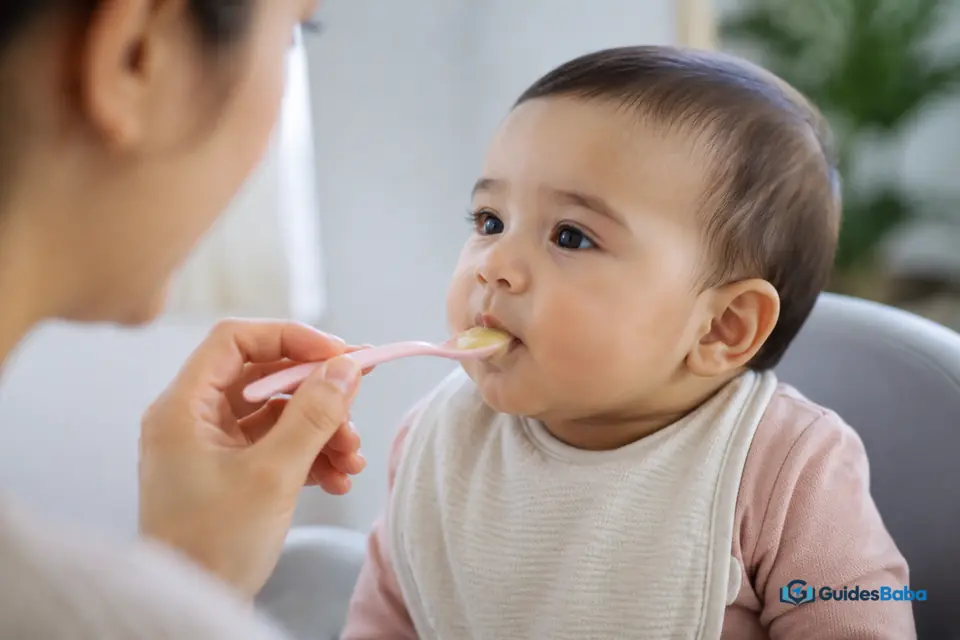
Young babies push food out reflexively. This tongue-thrust reflex protects them early. It fades as they mature. Its loss signals readiness.
Early on, tongues push spoons away. This natural reflex prevents choking. Over time the reflex settles down. Then food can stay in the mouth. Your baby can move it back. Swallowing becomes far easier.
You should not fight this reflex. Pushing food out is normal early. Wait for the reflex to fade. Your pediatrician can explain more. Patience pays off here.
Showing real interest in food

Curiosity is a lovely readiness sign. Babies watch you eat closely. They may lean toward your plate. Interest often signals readiness.
Your baby may reach for your food. They might open their mouth eagerly. Watching family meals sparks curiosity. This interest is very encouraging. Still, interest alone is not enough. Pair it with the other signs.
You should read the whole picture. Interest plus skills means readiness. One sign rarely tells all. Your pediatrician can help you judge. Look for signs together.
The hand-to-mouth skill

Coordination is another helpful clue. Babies learn to grab objects. They bring them to the mouth. This skill supports self-feeding.
Reaching and grasping show growing control. Bringing food to the mouth helps eating. This skill suits finger foods well. It builds independence over time. Coordination develops at each baby’s pace. Watch these small movements closely.
You should encourage safe exploration. Let your baby handle soft food. Always supervise every attempt. Your pediatrician can offer tips. Never leave a baby alone eating.

Signs that are not reliable
Some signs are easy to misread. They can look like readiness. Often they mean something else. Read them with care.
Waking at night is not a clear sign. Chewing fists can just mean teething. Wanting extra milk is often normal. These clues can mislead parents. They do not prove readiness alone. Look at the reliable signs instead.
You should avoid rushing on weak signs. One vague clue is not enough. Trust the well-known readiness markers. Your pediatrician can clear up doubts. Reliable signs matter most.
Why not to start too early
Starting solids early can cause problems. The body may not cope well. Risks rise before four months. Early timing is unwise.
An immature gut may struggle to digest. Choking risk is higher without skills. Early solids can crowd out milk. Milk still supplies vital nutrients then. Learn about key essential nutrients here. Milk should lead in early months.
You should not push solids too soon. Wait for genuine readiness signs. Milk meets most early needs. Your pediatrician can confirm timing. Patience protects your baby.
Why not to wait too long
Waiting far too long has downsides too. Babies need more than milk eventually. Iron and energy needs grow. Balance matters here.
Around six months, milk alone falls short. Iron stores begin to run low. Solids help fill the nutrient gap. They also build eating skills. Iron-rich foods become important then. See foods highest in iron here.
You should not delay without reason. Offer solids once signs appear. Late starts can affect skills. Your pediatrician can advise timing. Aim for the right window.
Age readiness versus developmental readiness
Parents often weigh two kinds of readiness. The comparison is age readiness versus developmental readiness. Both deserve attention.
| Age readiness | Developmental readiness |
|---|---|
| Based on months alone | Based on real skills |
| A rough starting guide | Shows true readiness |
| Same for every baby | Unique to each baby |
| Confirm with your pediatrician | Confirm with your pediatrician |
Use age as a gentle guide only. Let real skills make the call. Both together give the clearest picture. Your pediatrician can help you judge.
How to offer the first tastes
First tastes should be calm and gentle. Choose a relaxed, unhurried moment. Offer tiny amounts at first. Keep the mood easy.
Start with smooth, single-ingredient foods. Offer one small spoonful to begin. Let your baby set the pace. Expect mess and refusals. Try again on another day. Never force a full meal.
You should keep milk feeds going. Solids add to milk at first. Build up slowly over weeks. Your pediatrician can guide amounts. Go at your baby’s speed.
Foods to avoid at the start
Some foods are not safe yet. Knowing them protects your baby. Your pediatrician can share a list. Local advice can vary slightly.
Avoid honey before one year of age. Skip whole nuts and hard chunks. Cut added salt and sugar out. Reduce choking risks carefully. Cut round foods very small. See foods babies should avoid here.
You should always supervise every meal. Cut foods into safe pieces. Stay close while your baby eats. Learn simple first aid too. Your pediatrician can guide you.
Common readiness mistakes
One mistake is starting purely by age. Skills matter more than dates. Rushing can raise risks. Watch the real signs.
Another mistake is misreading weak signs. Night waking is often unrelated. Some parents wait far too long. Others force solids too fast. Both can cause trouble. Balance and patience help most.
You should base timing on clear cues. Avoid guessing or copying others. Every baby is truly unique. Your pediatrician can correct worries. Trust reliable signs.
Preparing for the first meal

A little planning helps a lot. Set up a safe high chair. Have soft food and a spoon ready. Preparation eases the moment.
Seat your baby upright and secure. Keep wipes and a bib handy. Choose a calm time of day. Stay relaxed and patient. Let your baby explore the food. Smile and keep it fun.
You should never leave them alone. Supervise the whole first meal. Watch for any reaction closely. Your pediatrician can offer tips. Safety comes first always.
Trusting your baby’s cues
Your baby is a good guide. They show hunger and fullness clearly. Learn to read their signals. Cues lead the way.
Turning away can mean they are full. Leaning in can signal more please. Closed lips often mean no thanks. Respect these small messages. Never push past a clear refusal. Trust builds happy eaters.
You should follow your baby’s lead. Let them set the pace. Pressure can backfire at meals. Your pediatrician can reassure you. Gentle trust works best.
When to ask your pediatrician

General signs suit many babies well. Still, every baby is unique. Personal advice matters most. Your baby’s needs are their own.
See your pediatrician before starting solids. Ask about timing and any concerns. Some babies need special care. Prematurity or allergies change things. Your doctor will tailor advice. Regular checks keep you reassured.
This is not medical advice. See a professional for your own plan. Use these signs as gentle background. Then follow your trusted care team. They know your baby best.
Frequently asked questions
How do you know when a baby is ready for solid food?
Look for steady sitting, head control, and food interest. Most babies show these around six months.
What age do babies start solids?
Most start around six months of age. Always confirm timing with your pediatrician.
Can I start solids at four months?
Before four months is generally too early. Ask your pediatrician before starting solids.
Is night waking a readiness sign?
No, night waking is often unrelated to solids. It is not a reliable sign.
What is the tongue-thrust reflex?
It is an early reflex that pushes food out. Its fading suggests growing readiness.
Does my baby need to sit up?
Yes, steady sitting with support is important. It helps your baby swallow safely.
Should I wait past six months?
Do not delay long without a reason. Babies need iron and energy then.
How do I offer first tastes?
Offer a small spoonful of smooth food. Keep the moment calm and unhurried.
What foods should I avoid?
Avoid honey, whole nuts, and choking hazards. Skip added salt and sugar too.
When should I seek advice?
See your pediatrician before starting solids. Ask about any concerns straight away.
The bottom line
So how do you know when a baby is ready for solid food? Watch for steady sitting and head control. Look for real interest in food. Most babies show signs around six months. Always confirm readiness with your pediatrician.
You should not rely on age alone. Skills matter more than a birthday. Avoid starting too early or too late. Lean on your pediatrician throughout.
For general background, read this overview of weaning. You can also learn about the infant stage. Use trusted sources alongside professional advice.
This is not medical advice. See a professional for your own care. Every baby is truly different and special. Then let your trusted team guide you.