
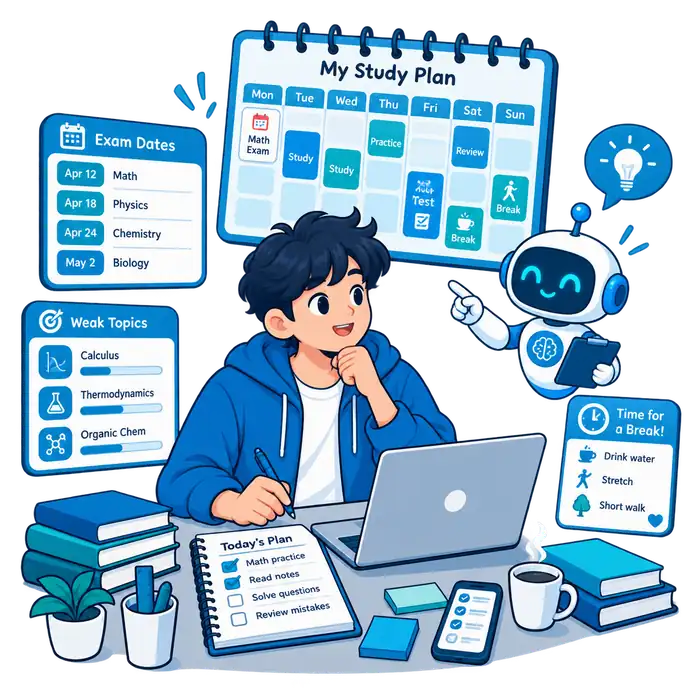
ChatGPT is the most flexible AI study planner for turning subjects, deadlines, weak areas, and available hours into a draft plan. A calendar-first tool is better when automatic time blocking matters. The best plan still needs your real commitments and weekly corrections.
This guide explains the practical choice, the limits, and a safe workflow. You can use the answer without handing your judgment to a machine.
Quick answer
ChatGPT is the most flexible AI study planner for turning subjects, deadlines, weak areas, and available hours into a draft plan. A calendar-first tool is better when automatic time blocking matters. The best plan still needs your real commitments and weekly corrections.
The right choice depends on your source, goal, privacy needs, and required output. Test a small real task before building your whole system around any tool.
Did you know?
A study plan can look perfectly balanced and still fail on day two. Travel, homework, energy, and unfinished tasks must shape the schedule.
What current search results consistently cover
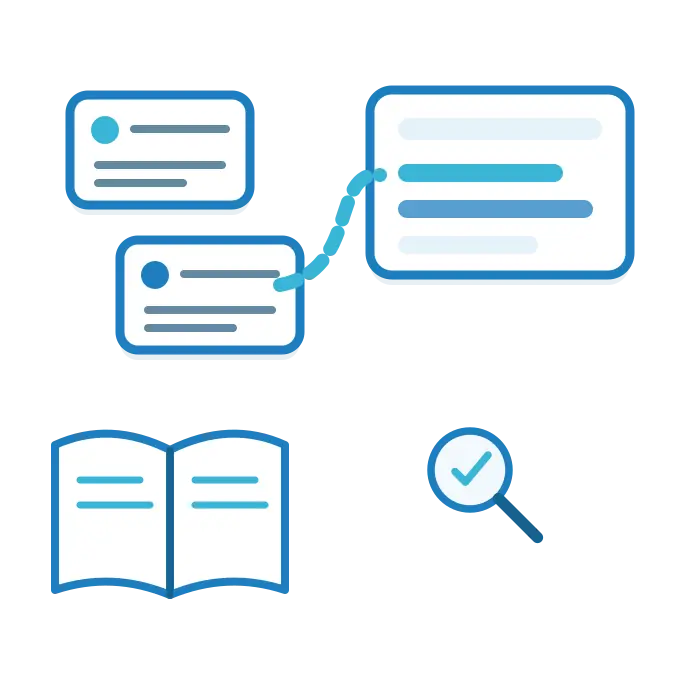
Current answers repeatedly focus on task fit, free limits, source quality, privacy, and human checking. They also separate quick generation from active learning.
This article includes those points in original wording. It adds a repeatable test, error repair, internal resources, and safer decision rules.
Compare the weak and strong approach
Use this comparison as a decision shortcut. The highlighted approach gives you more control and better evidence.
What the best AI planner should know
Share the exam dates, topic list, confidence ratings, available periods, and fixed commitments. Use ranges when exact personal details are unnecessary.
The planner needs constraints, not your life story. Good input works like lane markings on a busy road.
Build the first weekly plan
Start with the nearest assessment and weakest high-value topics. Add short recall sessions before long reading blocks.
Leave open space for delays. A plan without buffer time is a suitcase packed until the zipper breaks.
For current product details, review OpenAI Study Mode guide. Features and free access may change.
Use AI to rank study tasks
Ask the tool to weigh urgency, difficulty, marks, prerequisites, and current confidence. Review its reasoning before accepting the order.
A low-confidence topic may not deserve first place when another topic carries more marks and blocks later learning.
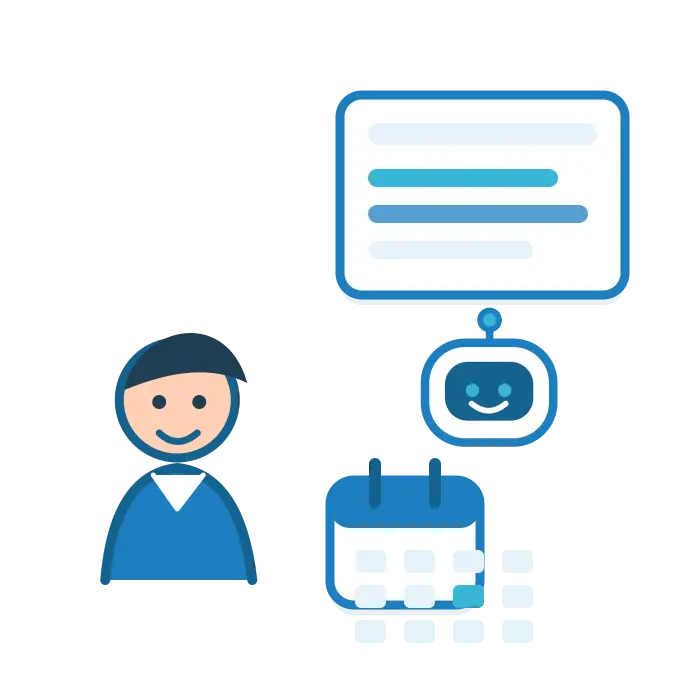
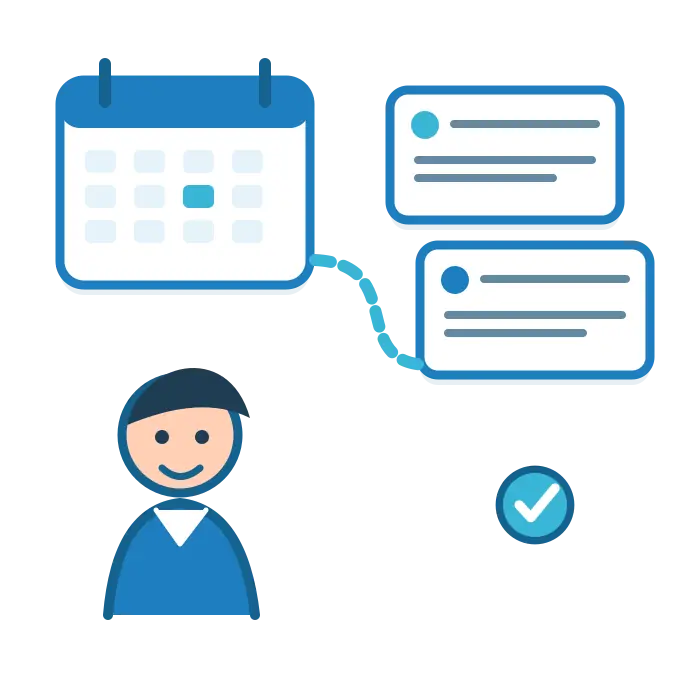
Turn the draft into calendar blocks
Move the approved tasks into a calendar. Give each block one outcome and a clear stopping point.
Include meals, travel, sleep, classes, and recovery. Study time does not exist outside the rest of your day.
The official Google Calendar task guidance provides another authoritative reference for this workflow.
Repair the plan every week
Record completed work, unfinished tasks, quiz results, and unexpected demands. Ask AI to revise only the next week.
Do not rebuild the whole month after one missed session. Shift the smallest number of blocks that restores progress.
A reliable five-part workflow
Define the outcome. Provide the minimum useful context. Generate a small draft. Check it against the source. Finish with independent work.
Record mistakes and repeat the weak skill later. This cycle turns AI output into learning rather than polished clutter.
Define one measurable outcome
Choose one result you can test. Explain, compare, solve, recall, plan, or revise something specific.
Broad goals invite broad answers. A narrow finish line makes both generation and checking easier.
Share the minimum useful context
Include the level, task, source, deadline, and output format when they matter. Remove personal details that do not affect the answer.
More data does not always create a better response. Relevant context beats a giant information dump.
How to verify the result
Check definitions, dates, formulas, quotations, citations, and exact requirements against authoritative material. Open every source yourself.
Ask which claims are uncertain or unsupported. Then verify those claims first instead of trusting confident language.
Use a source-first check
Keep the source beside the output. Match each major claim with the exact section that supports it.
If the source and answer disagree, follow the source or ask a qualified teacher. Do not average two incompatible claims.
Run a fresh independent test
Close the tool and complete a new question, explanation, plan, or revision. Use different wording or examples.
Independent performance shows whether the help transferred. Familiarity inside the chat can feel stronger than it is.

Protect privacy and schoolwork
Do not give a planner your full private calendar, school login, or personal documents. Share only the time blocks and deadlines it needs.
Follow your school rules, copyright limits, and file permissions. Use placeholders when exact personal details are unnecessary.
Apply the answer to real study tasks
Use the same decision in a small, real task before trusting it for an exam. Choose one chapter, objective, or assignment stage.
Measure correction time, source accuracy, and independent performance. A useful result should make the next learning action clearer.
For math and science
Provide the exact topic, allowed method, notation, and one course example. Ask for hints and changed practice problems.
Check formulas, units, assumptions, labels, and final values. A tiny sign or unit error can overturn an otherwise neat response.
For reading and writing
Use the assigned source, question, rubric, and your own draft. Ask for gaps, counterarguments, and questions that guide revision.
Verify quotations and citations in the original material. Keep the final argument and wording under your control.
For history and language learning
For history, check timelines, names, causes, evidence, and competing interpretations. Separate facts from reasonable analysis.
For languages, practice short exchanges, corrections, vocabulary recall, and new examples. Confirm formal rules with course materials.

Use free access without losing your work
Free plans may limit messages, files, models, or advanced features. These rules can change without changing your study goal.
Keep your notes, prompts, corrections, and plans in a format you control. Do not let one account become the only copy.
Keep the workflow portable
Save the learning objective, source list, best prompt, verified result, mistakes, and next review date outside the tool.
If access changes, another tool or a paper method can continue the same process. Your system should outlive any feature.
Keep a simple evidence trail
Save outlines, source pages, rough attempts, feedback, corrections, and finished work. Label what the AI helped create.
This record supports honest reflection and school disclosure. It also shows exactly where a bad answer entered the process.
Turn mistakes into the next practice set
Record the task, your answer, the error type, the verified correction, and a follow-up date. Keep each entry short.
Request or write one fresh test for the same skill. A correction becomes useful only when it survives a changed example.
Name the error correctly
Separate missing knowledge, misunderstood concepts, weak methods, unclear prompts, bad sources, and careless reading.
Each cause needs a different repair. More prompting cannot fix a missing textbook page or a misunderstood course rule.
Know when human help is better
Ask a teacher when the course expects a specific method, interpretation, citation style, or disclosure. Ask early when marks matter.
Use qualified professional help for high-stakes legal, medical, financial, or safety decisions. An AI explanation is not licensed judgment.
Adapt the workflow to the learner
Change reading level, pace, examples, question length, and output format without changing the learning objective.
Try audio, visuals, short text, larger steps, or extra practice when allowed. Then check whether performance actually improves.
Review your AI study system regularly
Once a month, check accuracy, privacy settings, school rules, free limits, and the amount of independent work completed.
Remove steps that create busywork. Keep the smallest system that produces reliable learning and clear evidence.
Related GuidesBaba resources
Build the wider skill with use ChatGPT to study, study ten times faster, quickest exam study method, and best free study websites.
These pages connect the answer with study-guide design, active recall, planning, and responsible AI use. Follow the link that matches your next action.
Read next
Use ChatGPT as a guided study partner
Common mistakes to avoid
Do not begin with private data, accept unsupported claims, request the final answer too early, or confuse a polished format with accuracy.
Avoid switching tools after every imperfect response. Improve the source, prompt, or checking method before abandoning the workflow.

Generating too much at once
Large outputs hide small errors and make checking tiring. Work through one chapter, goal, or decision at a time.
Short cycles keep the rope in your hands. You can correct direction before the work drifts far away.
Skipping active recall
Reading an answer is not the same as producing it. Hide the output and attempt the task from memory.
Use feedback after the attempt. The brain needs a turn at the wheel before the assistant speaks.
Practical questions
Can I do this for free?
Usually, yes, within changing free limits. Confirm current file, model, and usage restrictions on the official product page.
Start free and upgrade only when a real limit blocks a useful repeated workflow.
Will the result always be accurate?
No. AI can omit context, misunderstand a source, or create unsupported details. Important output always needs checking.
Source grounding improves control, but a poor source still produces a poor foundation.

Can students use it for school?
Use depends on the teacher, assignment, and institution policy. Ask when the rule is unclear and disclose assistance when required.
Use AI to support understanding and practice. Keep authorship, judgment, and final responsibility with the student.
How do I get a better result?
Give a clear goal, relevant source, real constraints, and output format. Request questions when important information is missing.
Then improve through follow-ups. One useful correction often beats replacing the whole prompt.
When should I stop using the AI?
Stop when you can complete the task independently, when privacy risks outweigh value, or when the policy forbids assistance.
Also stop when repeated checking costs more time than doing the task directly.
The bottom line
ChatGPT is the most flexible AI study planner for turning subjects, deadlines, weak areas, and available hours into a draft plan. A calendar-first tool is better when automatic time blocking matters. The best plan still needs your real commitments and weekly corrections.
Use the smallest useful input, verify the output, and finish independently. That approach protects both learning and trust.