
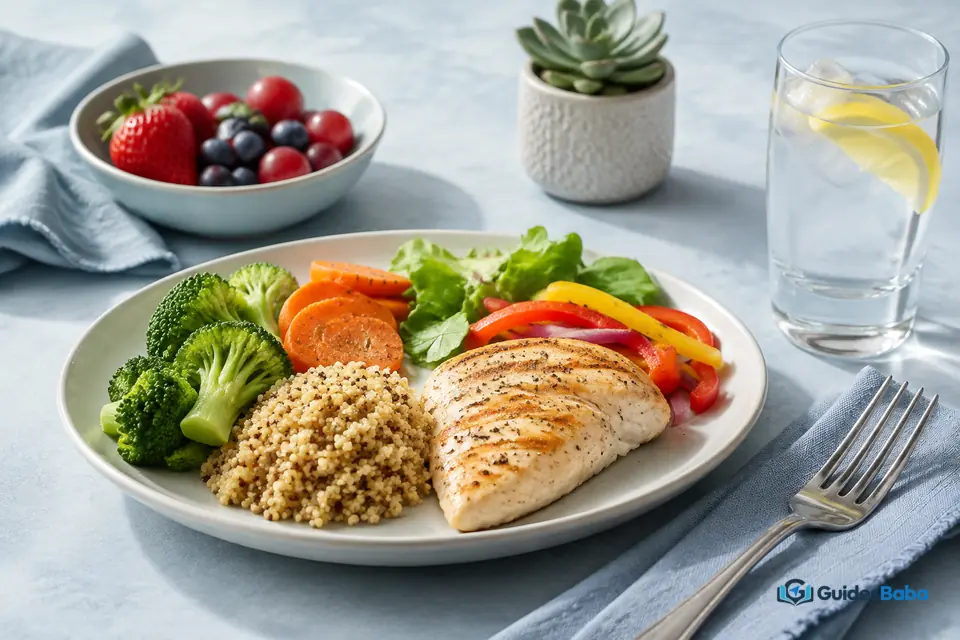
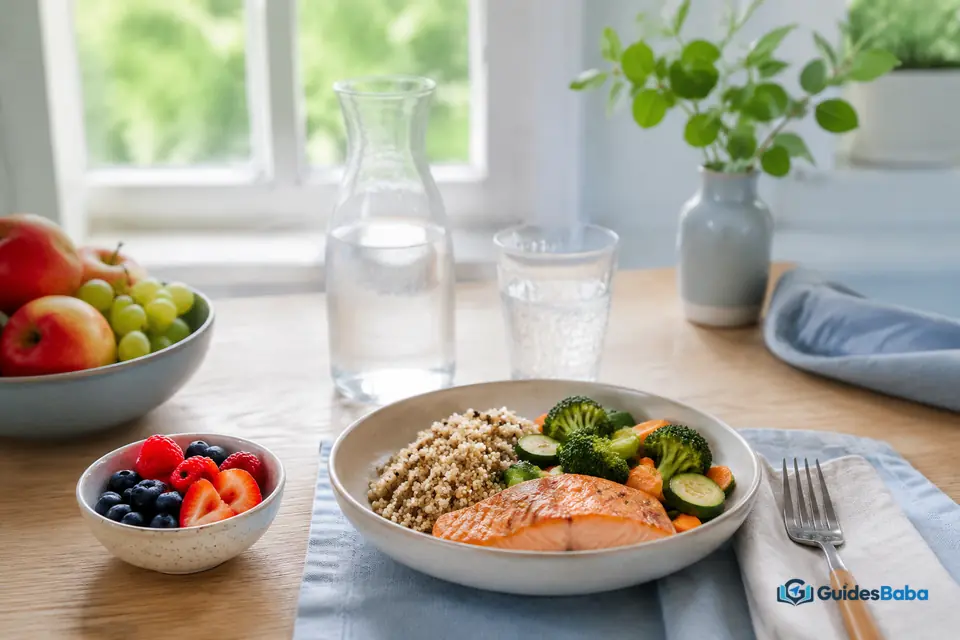
Fish raises a lot of questions in pregnancy. So which fish are safe to eat during pregnancy? Should you avoid it altogether? The answer is more balanced than that. Many fish are safe and good for you.
Rather than dropping fish completely, choose wisely. The type and amount both matter here. Some fish are great, others need limits. Your care team can guide the details.
Here is the honest answer. Many lower-mercury fish are safe in pregnancy. Cooked salmon, sardines, and trout are good choices. Limit high-mercury fish like shark and swordfish. Avoid raw and undercooked fish for safety. Always follow your own doctor or midwife.
This guide covers general fish safety ideas. You will learn which fish to enjoy. We also cover types to limit. This is not medical advice. See a professional.
So which fish are safe to eat during pregnancy?
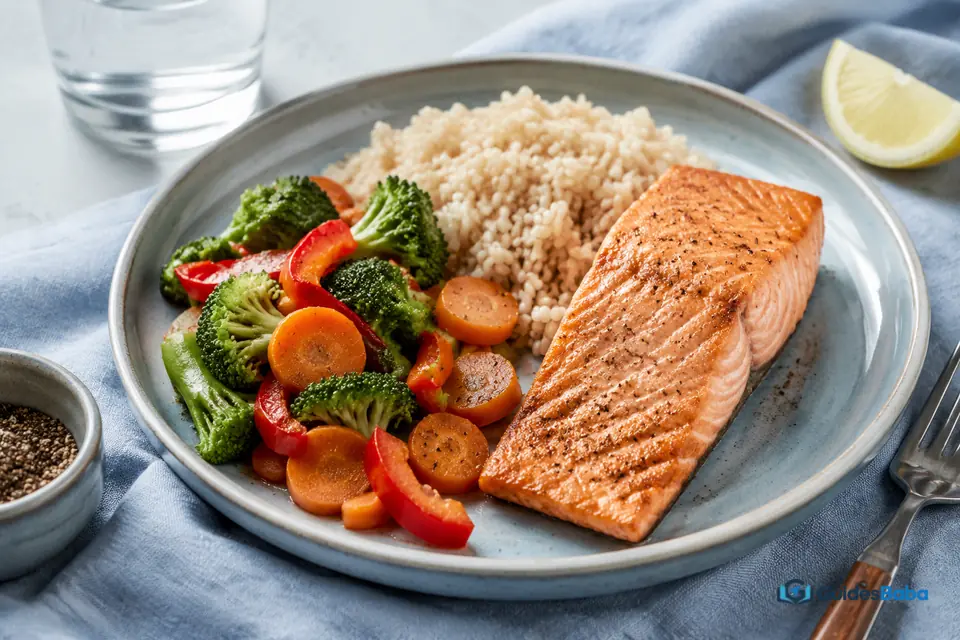
The honest answer is most lower-mercury fish. Cooked options are generally safe. Variety gives you useful nutrients. A sensible amount serves you best.
Think of fish like traffic lights. Some get a clear green light. Others call for caution or a stop. Salmon, sardines, and trout sit in the safe zone. A few big fish need real limits. Cooking well keeps most fish safe. Choose from the safe group often.
Do you need to fear all fish? Not at all, just choose carefully. Focus on well-cooked, lower-mercury types. Your midwife can tailor advice. Personal guidance always comes first. No guide replaces your own team.
Why fish is good in pregnancy
Fish offers real benefits when chosen well. It provides protein and useful fats. Many types support you and your baby. Good choices are worth including.
Oily fish supplies omega-3 fats. These support your baby’s development. Fish also gives lean protein. It offers vitamin D and minerals too. These are useful high-protein foods for pregnancy. A little variety helps a lot.
You do not need huge amounts. A couple of portions weekly helps. Balance fish with other foods. Your care team can adjust this. Simple, steady choices work best.
Did you know?
Oily fish is a natural source of omega-3 fats. These fats support your baby’s development in pregnancy.
The mercury concern explained
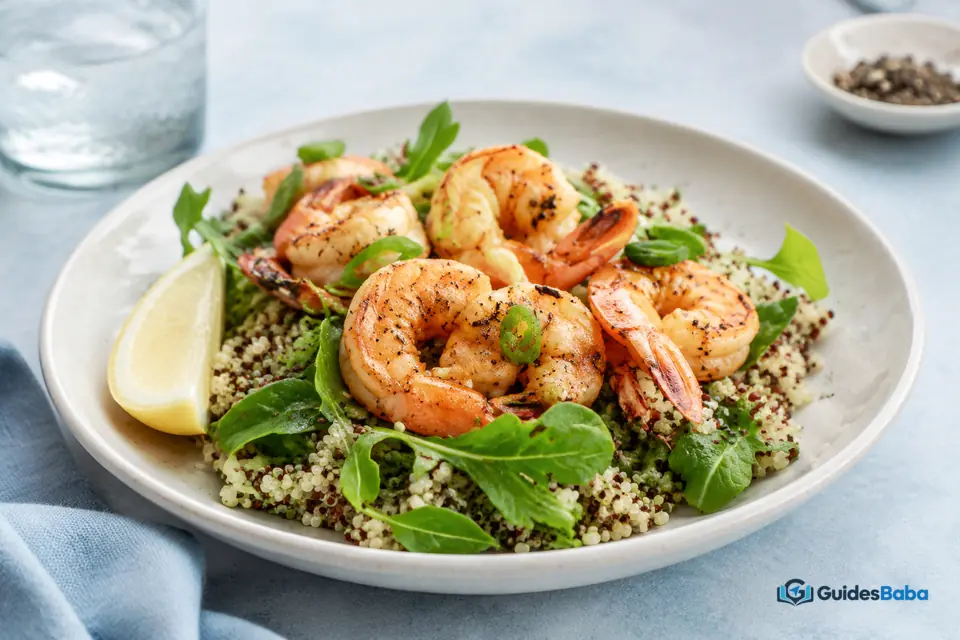
Mercury is the main worry with fish. Some fish hold more than others. Large predator fish tend to collect it. That is why limits exist.
Big fish eat many smaller fish. Mercury builds up along that chain. So the largest fish carry the most. Smaller fish usually carry far less. This is why type really matters. Choosing smaller fish lowers the risk.
You should not let this scare you off. Most everyday fish are low in mercury. Simple choices keep you safe. Your midwife can advise on this. Balance beats fear every time.
Lower-mercury fish to enjoy
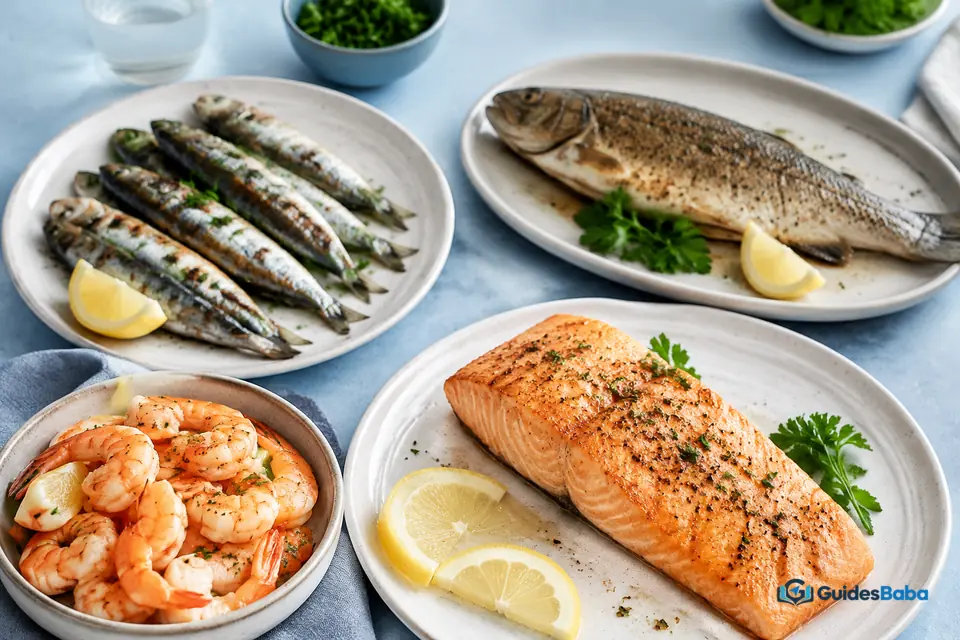
Many popular fish are low in mercury. These make safe, healthy choices. You can enjoy them in sensible portions. Variety keeps meals interesting.
Salmon is a favourite lower-mercury choice. Sardines and trout are great too. Cooked prawns and pollock work well. Tinned light tuna fits in limits. Herring and mackerel add omega-3. Cook them thoroughly before eating.
You should still keep portions sensible. A couple of servings weekly suits many. Your doctor can advise your amount. Combine variety with careful cooking. Balance is the goal here.
Fish to limit or avoid
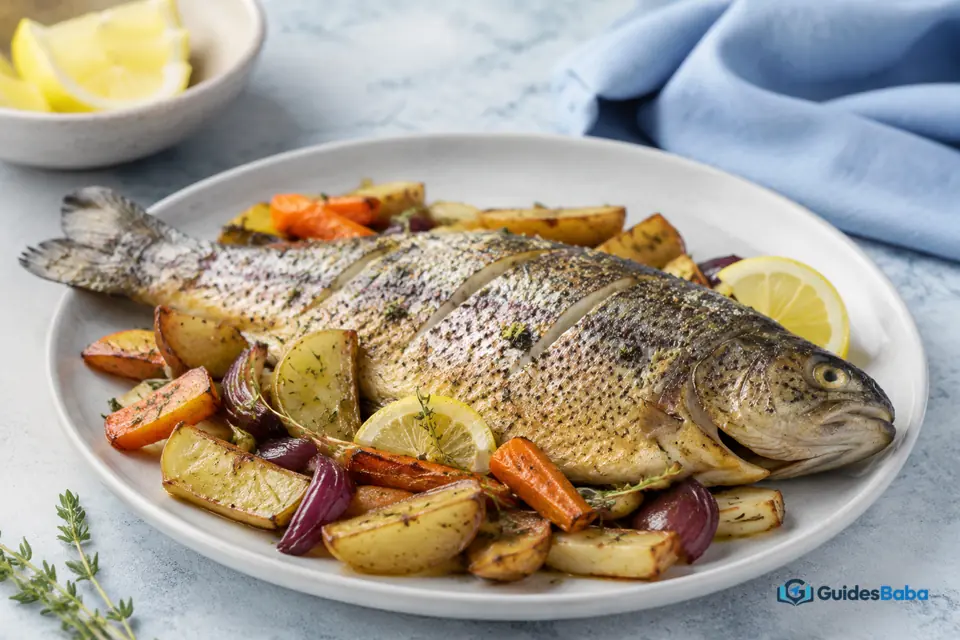
Some fish need real limits in pregnancy. A few are best avoided fully. Knowing them helps you plan. Local advice can vary a little.
Shark, swordfish, and marlin are high in mercury. These are best avoided in pregnancy. Limit tuna steaks and some big fish. Check advice on local catches too. Learn about foods to avoid during pregnancy here. Your midwife knows the current rules.
You should check advice for your area. Guidance can differ between countries. Your midwife knows the local list. Always confirm with a professional. Advice can change over time.

Oily fish and omega-3
Oily fish stands out for its fats. It supplies helpful omega-3. These support development and health. It is worth including in balance.
Salmon, sardines, and mackerel are oily fish. They carry good omega-3 fats. These fats support your baby’s growth. They may support your health too. Guidance often suggests a weekly limit. Your midwife can confirm your amount.
You should not overdo oily fish. There is a sensible weekly cap. Your doctor can explain this. Enjoy it within safe limits. Moderation keeps the benefit.
How much fish is sensible
Amount matters as much as type. A sensible weekly total works well. Too much of some fish adds risk. Balance is the safe path.
Many guidelines suggest a couple of portions weekly. Oily fish often has its own cap. Lower-mercury fish give you flexibility. Spread your portions across the week. Your midwife can tailor this. Personal advice fits your needs best.
You should not guess your own limit. Follow official and professional advice. Local guidance can differ slightly. Confirm the numbers with your team. Reliable advice beats guesswork.
Cooked versus raw fish
Cooking makes a big difference here. Raw fish carries extra risk. Thorough cooking lowers that risk. Well-cooked fish is the safe choice.
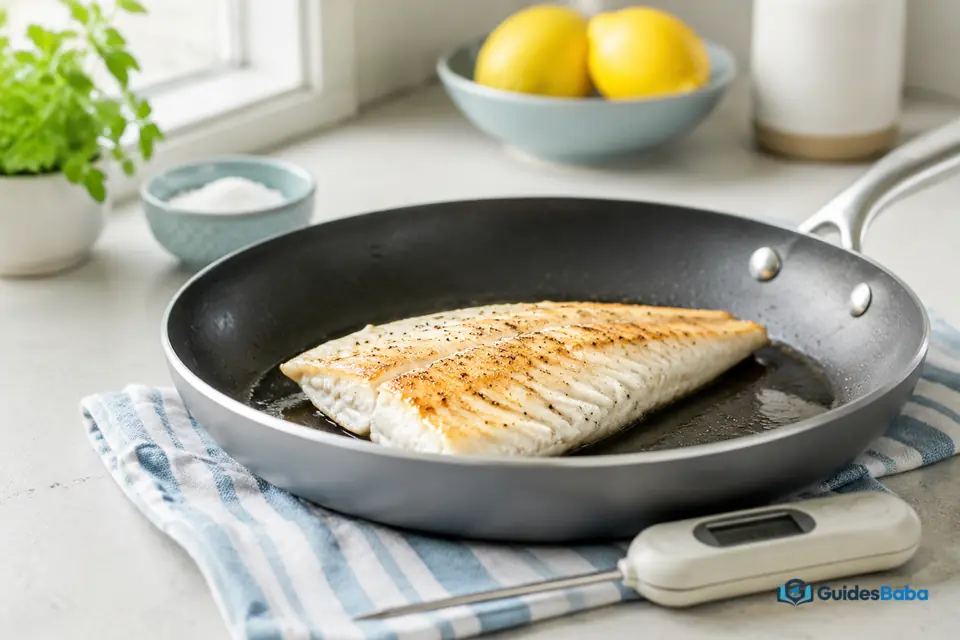
Avoid raw fish dishes like sushi. Skip undercooked or lightly seared fish. Cook fish until it flakes easily. It should be piping hot throughout. This helps kill harmful bugs. See foods that commonly cause food poisoning here.
You should treat cooking as key. It protects you and your baby. Your midwife can advise on this. When unsure, cook it well. Safety comes first always.
Smoked and cured fish
Smoked and cured fish need care. Some are cold-smoked and not cooked. That changes the safety picture. Advice can vary by product.
Cold-smoked salmon is not fully cooked. Some guidance suggests caution here. Cooking smoked fish can make it safer. Hot dishes reduce the risk. Rules differ between countries. Your midwife knows the local advice.
You should check before eating these. Do not assume they are safe. Ask your care team first. Confirm the current local guidance. Better safe than sorry.
Shellfish during pregnancy
Shellfish raises its own questions. Cooking again plays a big role. Well-cooked shellfish can be fine. Raw shellfish is the concern.
Cooked prawns and mussels are often fine. Thorough cooking is essential here. Avoid raw oysters and raw shellfish. Cold cooked prawns need care too. Reheat cooked shellfish until hot. Your midwife can advise clearly.
You should avoid raw shellfish fully. It carries a higher risk. Cook everything well to be safe. Confirm details with your team. Careful cooking protects you both.
Tinned fish choices
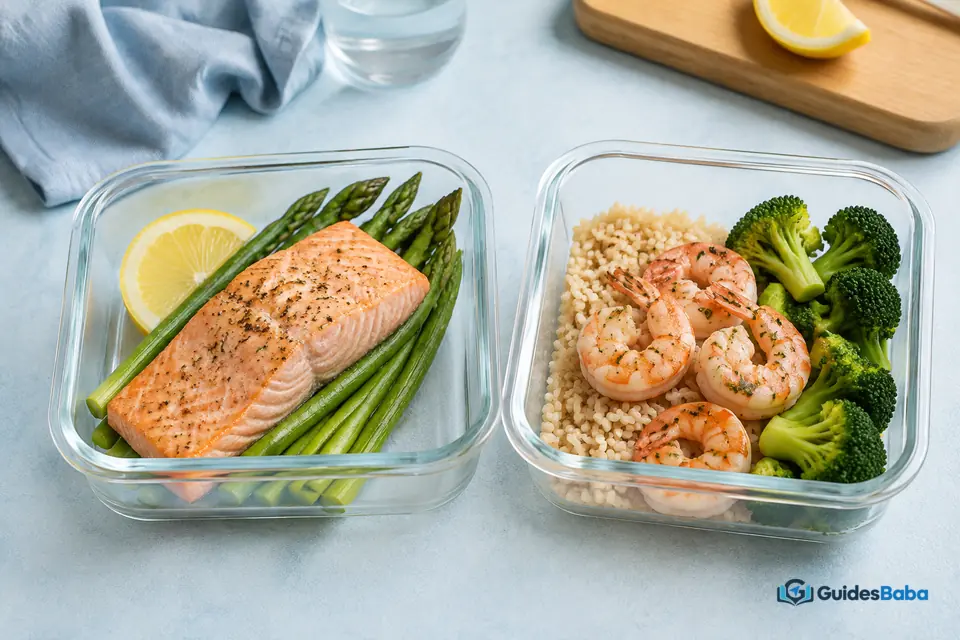
Tinned fish is handy and useful. Many options are lower in mercury. They store well and cook easily. Good choices fit a busy week.
Tinned sardines and salmon are helpful. They offer omega-3 and protein. Tinned light tuna sits within limits. Note tinned tuna differs from steaks. Check labels and advice carefully. Your midwife can confirm your amount.
You should still watch tuna totals. Tinned and fresh tuna both count. Keep within the advised limit. Ask your team if unsure. Small habits keep you safe.
Low-mercury versus high-mercury fish
People often ask which fish to pick. The clear comparison is low-mercury versus high-mercury fish. One group is far friendlier.
| Lower-mercury fish | Higher-mercury fish |
|---|---|
| Salmon, sardines, trout | Shark, swordfish, marlin |
| Generally safe in portions | Best avoided in pregnancy |
| Good omega-3 and protein | Can carry more mercury |
| Enjoy cooked and varied | Follow strict limits or skip |
The safer group offers more freedom. Enjoy those fish cooked well. Limit or skip the big predators. Let professionals guide your plan.
Alternatives if you skip fish
Some people prefer to skip fish. That is a valid choice. Other foods can fill the gaps. Planning keeps your diet balanced.
Plant sources like flaxseed offer omega-3. Walnuts and chia seeds help too. Eggs and beans add protein. A varied diet covers a lot. Your dietitian can review your intake. Balance keeps you well.
You should confirm your needs here. Some people consider a supplement. Ask your doctor before starting one. Combine good food with real advice. Guidance keeps you safe.
Choosing and storing fish safely
Good handling keeps fish safe at home. Care starts at the shop.
Buy fish that smells fresh and clean. Keep it cold on the way home. Store it in the fridge promptly. Cook or freeze it without delay. Keep raw fish away from other foods.
You should follow use-by dates closely. Wash hands after handling raw fish. Small care steps go far.
Common fish mistakes
One mistake is avoiding all fish. Many fish are safe and healthy. Skipping them can miss nutrients. Balance beats blanket bans.
Another mistake is eating raw fish. Some also ignore the mercury limits. Others eat too much tuna. Both can cause problems. Guesswork has no place here.
You should avoid guessing your limits. Base your choices on real advice. Your midwife can correct myths. Trusted guidance keeps you safe. Reliable sources beat old rumours.
When to seek professional advice
General tips suit many pregnancies well. Still, every pregnancy is unique. Personal advice always matters most. Your needs are truly your own.
See your midwife or doctor regularly. Ask about fish types and limits. Some people need special guidance. Allergies and conditions need extra care. Your team will tailor everything. Regular checks keep you on track.
This is not medical advice. See a professional for your own plan. Use these ideas as general background. Then follow your trusted care team. They know your full history.
Building safe fish habits
Good habits grow from small steps. Change one thing at a time. Build steadily through the week. Small shifts feel manageable.
Keep tinned sardines in the cupboard. Choose salmon or trout when shopping. Plan a couple of fish meals. Cook fish thoroughly every time. Check limits before trying new types. Small routines make a difference.
Above all, listen to your body. Pair safe fish with real advice. Ask questions at every check. Lean on your care team. They are there to help you.
Frequently asked questions
Which fish are safe to eat during pregnancy?
Many lower-mercury fish like salmon and sardines are safe. Cook them thoroughly before eating.
Which fish should I avoid?
Avoid shark, swordfish, and marlin during pregnancy. These are high in mercury.
Can I eat tuna?
You can eat tuna within advised limits. Tinned and fresh tuna both count.
Is sushi safe in pregnancy?
Avoid raw fish dishes like most sushi. Choose cooked options instead.
How much fish should I eat?
Many guidelines suggest a couple of portions weekly. Ask your midwife for your amount.
Is oily fish good for me?
Oily fish gives helpful omega-3 fats. Enjoy it within a sensible weekly limit.
Can I eat prawns and shellfish?
Well-cooked prawns and shellfish are often fine. Avoid raw shellfish for safety.
Is smoked salmon safe?
Cold-smoked salmon needs caution in some guidance. Ask your midwife about local advice.
What if I do not eat fish?
Plant omega-3 and other foods can help. Ask your doctor about any supplement.
When should I seek advice?
See your midwife or doctor regularly. Ask about any concerns straight away.
The bottom line
So which fish are safe to eat during pregnancy? Many lower-mercury fish are safe. Enjoy cooked salmon, sardines, and trout. Limit high-mercury fish like shark. Avoid raw and undercooked fish.
You do not need to fear all fish. Choose wisely and cook well. Keep within sensible weekly limits. Lean on your care team throughout. Read more on what to eat during pregnancy too.
For general background, read this overview of mercury in fish. You can also learn about oily fish. Use trusted sources alongside professional advice.
This is not medical advice. See a professional for your own care. Every pregnancy is truly different and personal. Then let your trusted team guide you.