
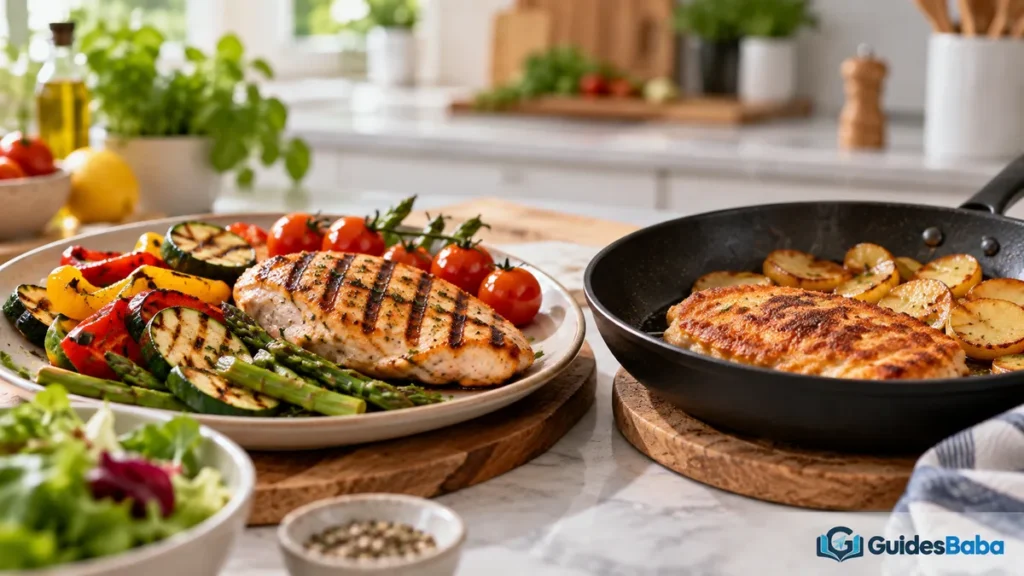
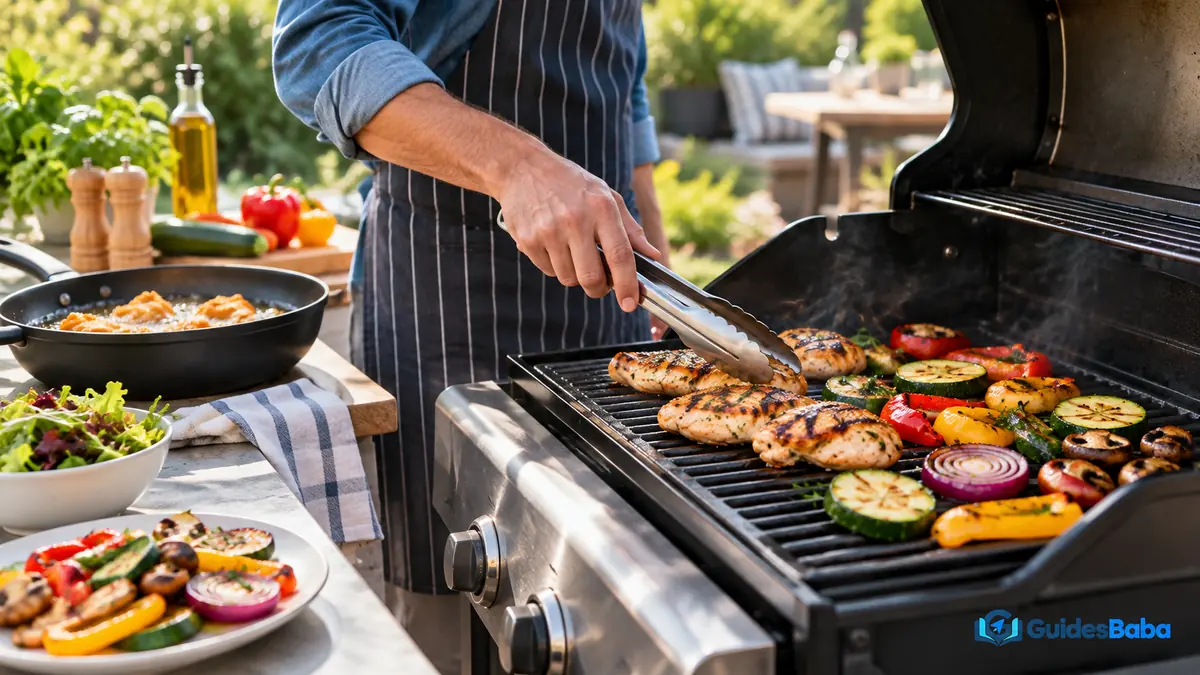
Smoke rises from the grill outside. Oil bubbles in a pan inside. So is grilling healthier than frying? The answer leans one clear way.
Rather than judging by taste alone, look at fat. Grilling lets fat drip away. Frying adds fat instead. That single difference matters a lot. The proof is in the pudding.
Here is the honest answer. Grilling is usually healthier than frying. Fat drips off during grilling. Frying soaks food in added oil. Deep frying adds the most fat. This is not medical advice. See a professional.
This guide covers grilling and frying in plain terms. You will learn how each method works. We will compare them side by side. Many tips link back to simple daily habits.
So is grilling healthier than frying?
The honest answer favours grilling for most meals. Grilling drains fat from the food. Frying adds fat with every batch. Your method shapes the final plate.
Think of fat like water in a sponge. Frying fills the food up. Grilling wrings the sponge dry. The food loses fat instead. Less added fat means fewer calories.
Does this mean frying is banned? Not at all, and that matters. A rare fried treat is fine. Balance across the week counts most. Match the method to the moment. That simple rule guides every dish.
Why the cooking method matters
The method changes far more than heat. It shapes fat, flavour, and calories. Small choices carry real weight.
Frying can double the calories fast. Food drinks up the hot oil. Grilling adds almost no fat at all. The gap adds up over time. See how to make your diet healthier for more.
Method also decides your daily habits. A regular fryer nudges calories up. A regular grill keeps things lighter. Small routines shape long-term health. Your technique quietly guides each meal. A better method rewards you daily. Your kitchen holds real power here.
Did you know?
Frying can soak food with extra oil and calories. Grilling lets much of that fat drip away instead.
How grilling works
Grilling cooks food over direct heat. Flames or coals sit below. The heat sears the surface fast.
Fat melts and drips through the grate. The food loses fat as it cooks. You need little or no oil. A smoky flavour builds on top. Lean meats and vegetables suit it.
The open heat works very quickly. Food browns and crisps outside. Inside it stays tender and juicy. Little added fat is needed. Grilling keeps meals lighter overall. Clean flavour comes with little fat.
How frying works
Frying cooks food in hot oil. The oil surrounds and heats it. Food crisps and browns fast.
The hot oil soaks into the food. This adds fat and many calories. Deep frying adds the most of all. Shallow frying adds a little less. Either way, oil enters the food.
Frying does give great texture. The crisp crust tastes wonderful. Yet the fat load stays high. Reserve it for occasional treats. Keep portions small and rare. The crust hides a heavy load.
The fat difference
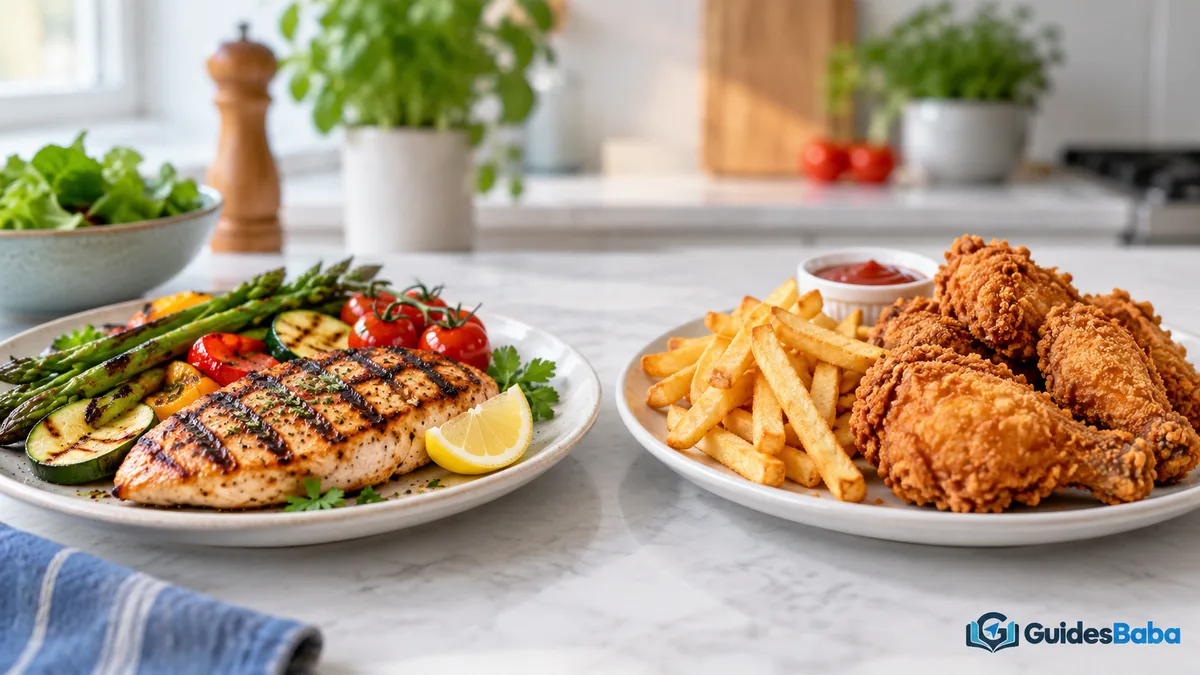
Fat is the heart of this contest. Grilling removes fat from food. Frying adds fat to food.
Every fried batch drinks up oil. That oil brings extra calories along. Grilled food sheds its own fat. The dripping fat falls away. Less fat usually means lighter eating. The scale often shows the difference.
Not all fat is the enemy though. Some healthy fats help your body. Learn about foods with healthy fats for balance. The problem is excess fried fat. Quality and amount both matter here. Choose good fats in sensible amounts.
Heat and how it changes food
Both methods use fairly high heat. That heat browns and flavours food. It also has a downside.
Very high heat can create harsh compounds. Charred and burnt bits carry them. This happens with grilling and frying. Sensible heat keeps food safer. Avoid cooking anything to black.
Keep the temperature under control always. Turn food often to cook evenly. Trim away any burnt edges. Marinating first can add protection. A little care keeps meals safe. Steady heat protects both taste and health.
Grilling lean protein
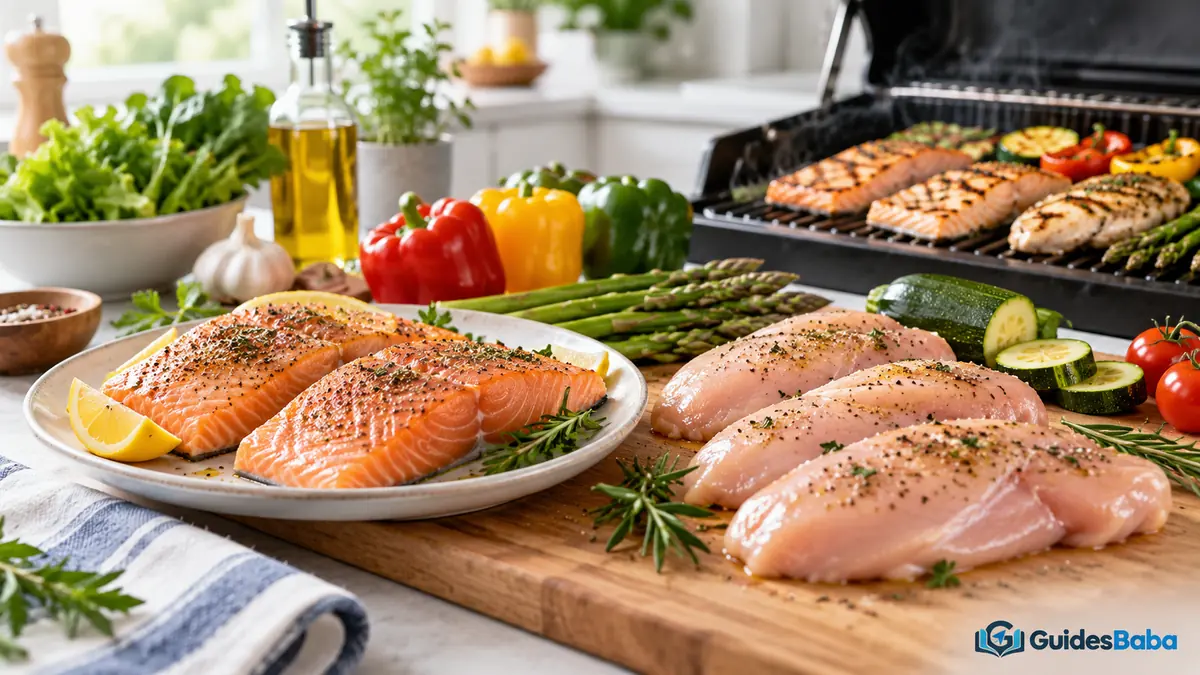
Lean protein loves the grill. Chicken, fish, and lean cuts shine. The fat drips cleanly away.
Season the meat with herbs and spice. Grill until just cooked through. Avoid drying it out with overcooking. A meat thermometer helps a lot. Juicy protein rewards a careful cook.
Fish grills fast and stays tender. Use a basket to hold it. Vegetables can share the same heat. One grill feeds the whole plate. Simple grilling keeps protein light. Lean cuts reward a careful hand.

Grilling versus deep frying compared
People often want a clear side view. The honest contrast is grilling versus deep frying. Each sits at an opposite end.
| Grilling | Deep frying |
|---|---|
| Fat drips away from food | Food soaks up added oil |
| Little or no oil needed | A lot of oil needed |
| Lighter, lower in calories | Heavier, higher in calories |
| Best for everyday meals | Best kept as a rare treat |
You do not need to ban frying forever. An occasional fried dish is fine. Just keep grilling as your default. Save the fryer for special days. Each method earns its place then.
Charring and how to avoid it
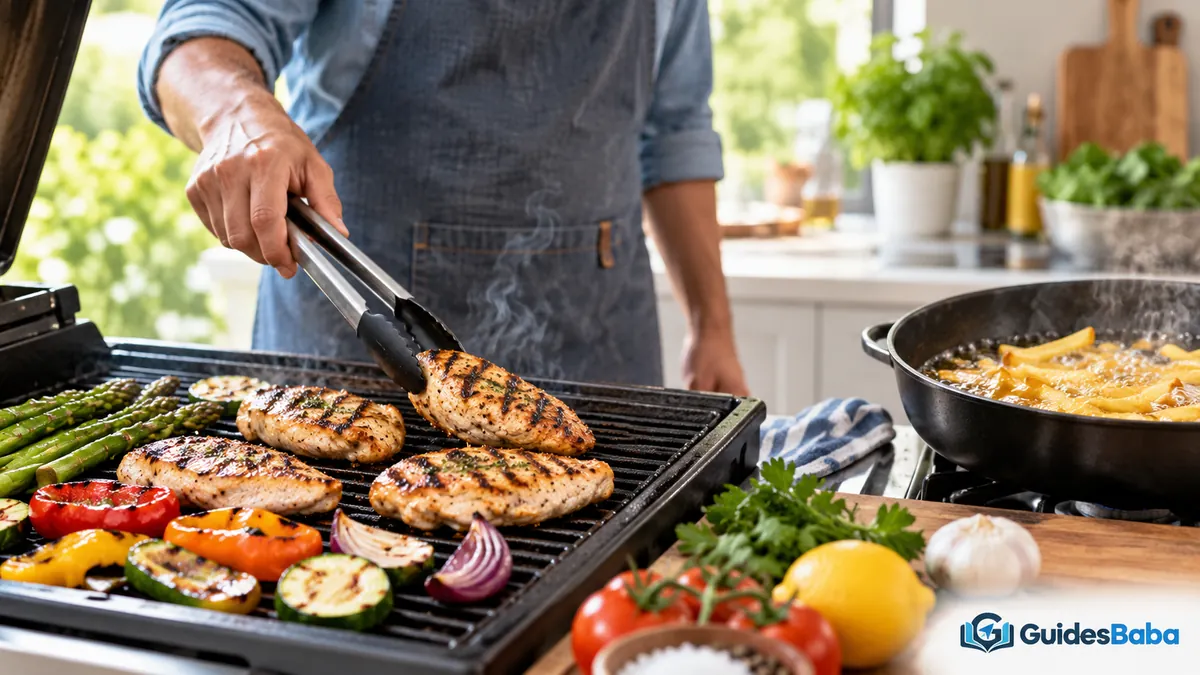
Grilling can char food if you rush. Black, burnt bits are best avoided. A little care prevents them.
Keep the heat moderate, not fierce. Turn food regularly for even cooking. Trim away any blackened edges. Marinating first adds a helpful layer. Do not walk far from the grill.
Frying can burn food too. Overheated oil scorches the crust. Watch the temperature the whole time. Sensible heat keeps both methods safer. Attention protects every meal. Rushing is where mistakes begin.
Choosing oils for frying
If you do fry, choose oil wisely. Some oils handle high heat well. Others burn and taste bitter.
Oils have a smoke point limit. Past it they break down badly. High-heat frying needs a stable oil. Reusing old oil is a poor idea. Fresh oil keeps food cleaner. Old oil can taste bitter and stale.
Match the oil to the heat used. Learn which are best cooking oils for frying. Drain fried food on paper afterwards. This removes some surface oil. Smart choices soften frying a little. Fresh oil and draining both help.
Grilling vegetables
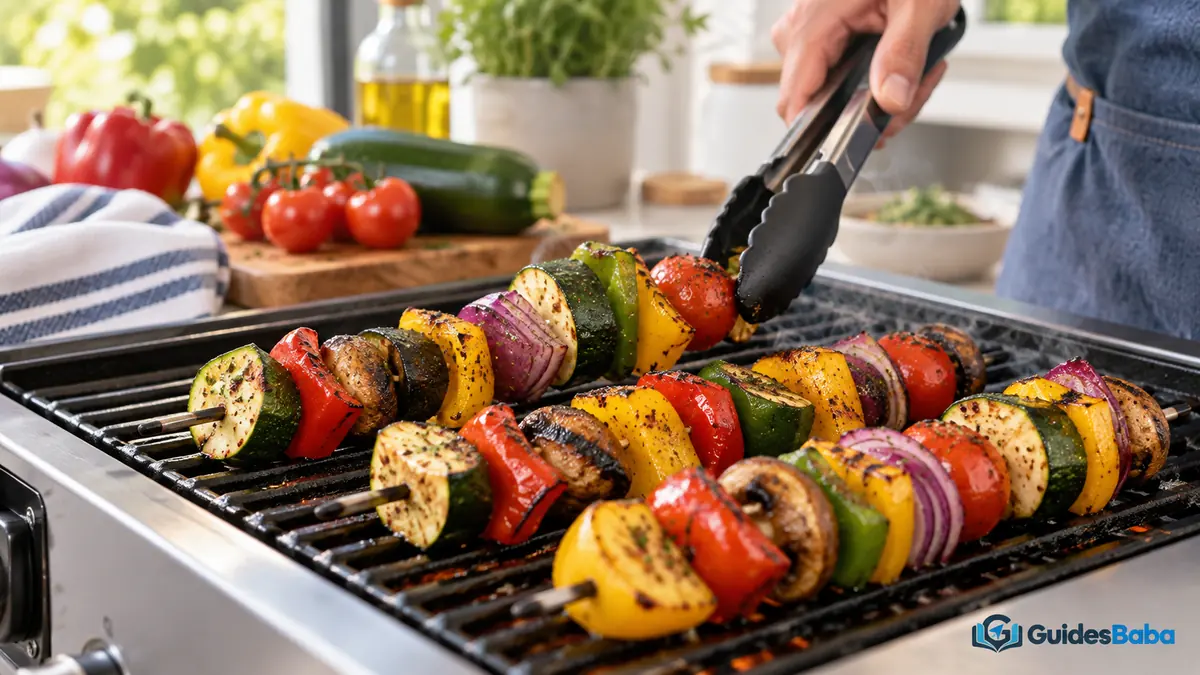
Vegetables grill beautifully with little effort. The heat brings out natural sweetness. Colour and flavour both deepen.
Peppers, courgettes, and onions grill well. Brush them with a touch of oil. Cook until just tender and marked. Avoid burning them to black. A light char adds nice flavour. Just stop well before black.
Cut pieces large enough to handle. Use a basket for small ones. Turn them for even cooking. Grilled veg makes a light side. Simple grilling keeps produce vibrant. Colour signals fresher flavour too.
Flavour without the fat
Grilling proves healthy food can taste great. The smoke adds deep flavour. You need little added fat.
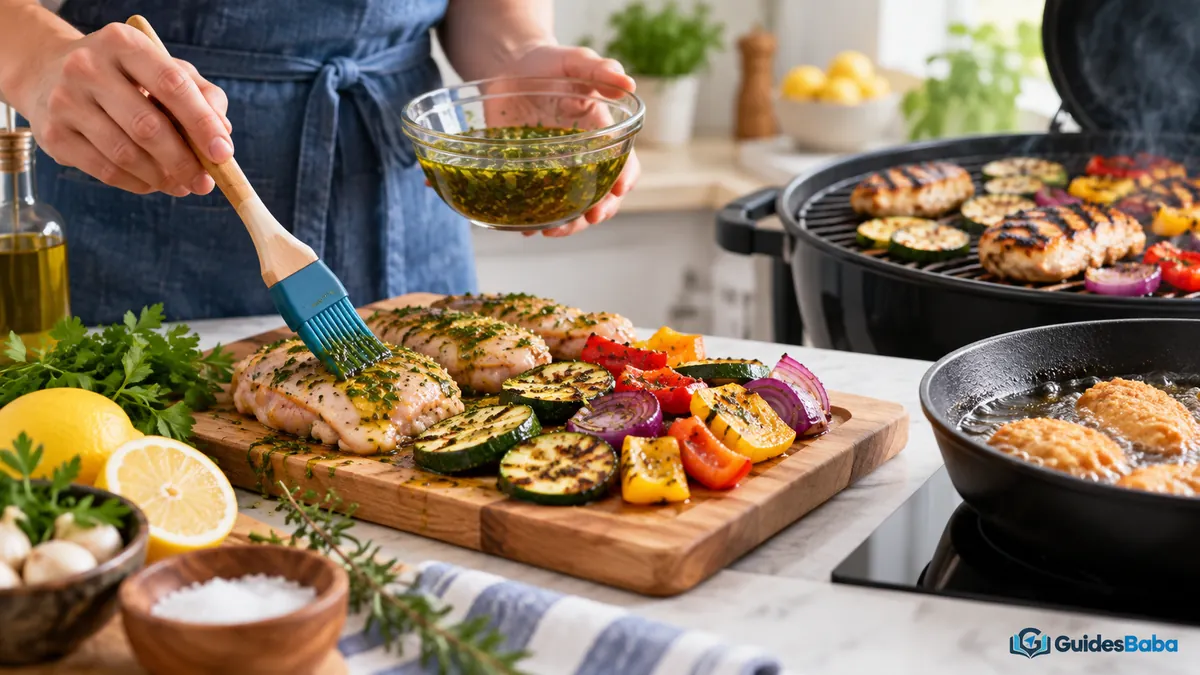
Herbs, spices, and marinades do heavy lifting. A squeeze of lemon brightens meat. Garlic and pepper wake up vegetables. Flavour need not come from oil. Seasoning turns simple food special. The grill does the rest well.
Try smart healthy ingredient swaps in your marinades. Use yogurt or citrus instead of heavy oil. Small changes lower the fat load. Taste stays big and satisfying. Clever seasoning beats extra grease. Big taste needs no heavy oil.
When frying still fits
Frying is not always the wrong choice. Some dishes rely on it. A rare treat causes no harm.
The occasional fried snack is fine. Enjoy it slowly and without guilt. Just keep the portion sensible. Balance it with lighter meals. One treat will not undo good habits. Balance carries the whole week.
Shallow frying uses less oil than deep. It offers a middle path sometimes. Drain the food well afterwards. Keep such meals fairly rare. Moderation makes frying manageable. A rare treat fits a good diet.
Common myths
One myth says all grilled food is dangerous. Only heavy charring raises real concern. Sensible grilling stays a healthy choice.
Another myth claims frying is always terrible. An occasional fried treat fits fine. Balance across the week matters most. Fear of frying can mislead people. Context decides more than the method.
Some think grilled food must taste plain. Smoke and spice prove otherwise. A good marinade transforms the plate. Healthy cooking can taste wonderful. Ditch the bland-food myth for good. Flavour and health share a plate.
Common mistakes
One frequent mistake is charring food black. Burnt bits carry harsh compounds. Keep the heat sensible instead.
Another mistake is drowning food in oil. A heavy fry adds hidden calories. Grill or measure oil carefully. Small changes lower the fat load. Careful cooking pays you back daily.
Some people reuse frying oil too often. Old oil breaks down and tastes off. Use fresh oil when you fry. Drain the food well afterwards. Little habits protect the whole meal. Careful cooks waste far less.
Who might need tailored advice
General cooking tips suit many healthy adults. Still, some people have special needs. Certain conditions change the picture.
Some diets limit fat, salt, or calories. Cooking choices then need extra care. Your doctor knows your situation best. Allergies also shape your safe options.
This is not medical advice. See a professional for your personal needs. Use these cooking ideas as a friendly guide. A short chat can prevent bigger problems.
Grilling, frying, and a balanced diet
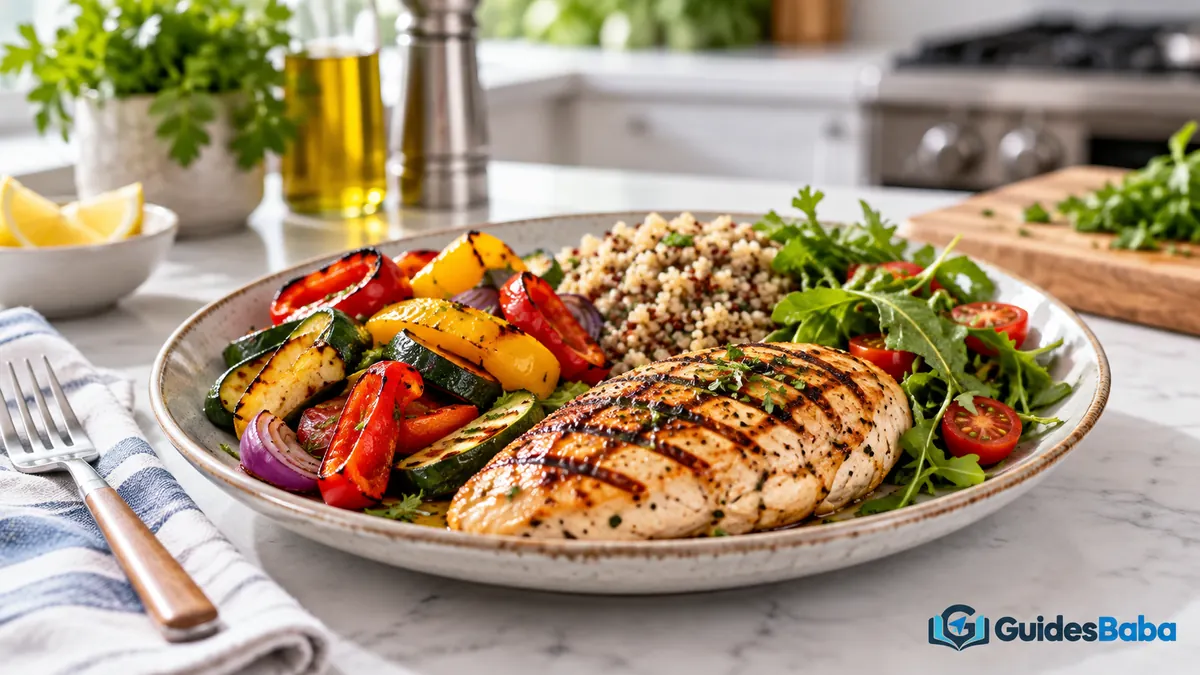
Grilling supports a steady, balanced diet. It keeps meals light and tasty. Balance grows easier to reach.
Grill lean protein and colourful vegetables. Pair them with whole grains. Keep frying as a rare treat. No single meal carries the week. Variety across days matters most.
Treat your methods as a gentle framework. Adjust them as your tastes shift. Pair produce with protein and grains. This mix keeps meals rounded. Simple methods do the heavy lifting. Good habits compound quietly over weeks.
Frequently asked questions
Is grilling healthier than frying?
Usually yes, since fat drips away during grilling. Frying soaks food in added oil instead.
Why is frying higher in calories?
Food soaks up the hot oil while frying. That added oil brings many extra calories.
Is grilled food ever unhealthy?
Heavy charring can create harsh compounds. Keep heat sensible and trim burnt bits.
Does grilling need oil?
Grilling needs little or no oil. A light brush is often enough.
Is shallow frying better than deep frying?
Shallow frying usually uses less oil. It adds fewer calories than deep frying.
How do I avoid charring on the grill?
Keep the heat moderate and turn food often. Trim away any blackened edges.
Which oil is best for frying?
Choose an oil with a high smoke point. Avoid reusing old, broken-down oil.
Can I grill vegetables?
Yes, vegetables grill very well. The heat deepens their natural sweetness.
Is fried food ever okay?
Yes, as an occasional treat. Keep portions small and balance with lighter meals.
How do I add flavour without oil?
Use herbs, spices, citrus, and marinades. Smoke from the grill also adds flavour.
The bottom line
So is grilling healthier than frying? For most meals, grilling usually wins. Fat drips away as food cooks. Frying soaks food in added oil. Keep deep frying as a rare treat.
Your method quietly shapes each meal. It decides fat, calories, and flavour. Grill as your everyday default. Small kitchen habits truly add up over time.
For more background, read this overview of grilling as a technique. You can also explore the basics of frying food. Use trusted sources to guide your routine.
This is not medical advice. See a professional for your personal needs. Grill one meal this week. Then build slowly from there. Your future self will thank you.