
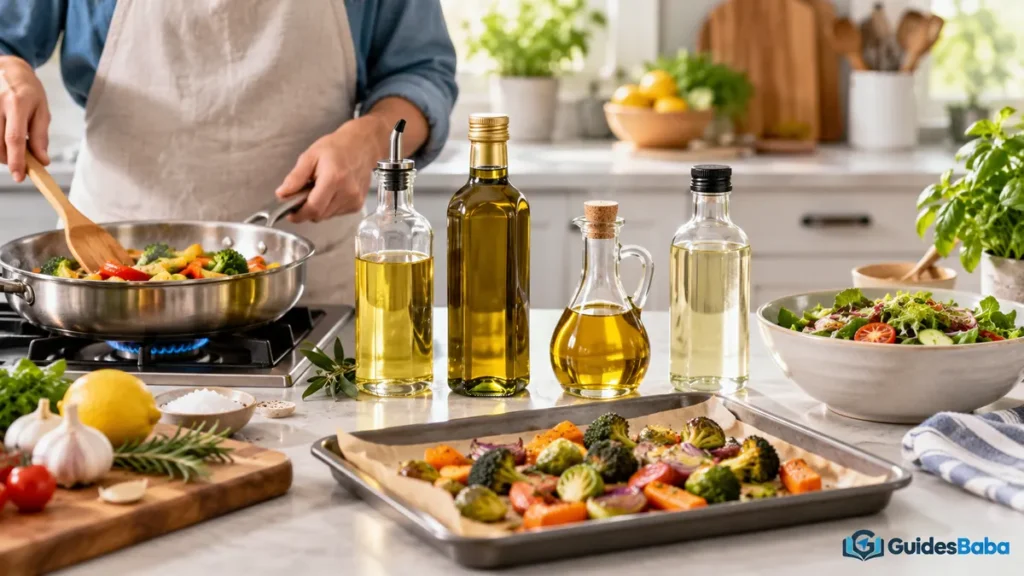
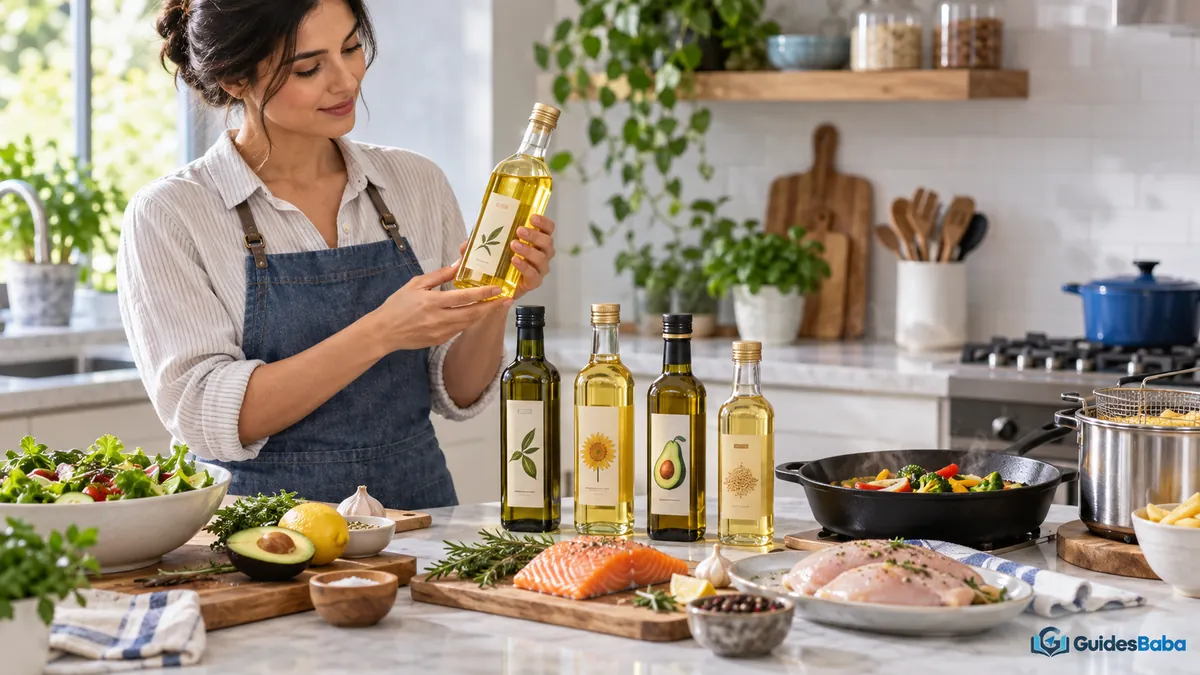
A shelf of oils can leave you puzzled. Picking one feels like a shot in the dark. So what cooking oils are best for different methods? The choice is simpler than it seems.
Rather than buying every oil, learn a few. Each method suits a certain kind of oil. You match the oil to the heat. A good choice works like the right tool. It supports foods with healthy fats on your plate.
Here is the honest answer. High-heat methods need oils with a high smoke point. Gentle methods and dressings allow delicate oils. Flavour and fat type also matter. You keep a small, useful set. This is not medical advice. See a professional.
This guide covers cooking oils in plain terms. You will learn which oils suit each method. We will compare high-heat and low-heat oils. Many tips point back to simple, steady habits.
So what cooking oils are best for different methods?
The honest answer starts with heat and smoke point. High heat needs a stable oil. Gentle heat allows a delicate one. Cold dishes suit the most fragile oils.
Think of oils as tools in a box. You pick the right one for the job. A sturdy oil handles a hot pan. A fine oil finishes a salad. The match makes cooking easier.
Do you need a cupboard full of oils? Not at all, and that is a relief. Two or three oils cover most jobs. One neutral oil handles the heat. One tasty oil finishes dishes.
Why the oil you choose matters
Oil does more than stop sticking. It carries flavour and helps browning. It also affects your nutrition.
Different oils hold different kinds of fat. Some suit your heart better than others. Heat changes how an oil behaves. The wrong oil can smoke and turn bitter. A good match keeps food tasty.
Not every oil suits every pan. A delicate oil burns on high heat. A neutral oil wastes fine flavour cold. Choosing well saves money and taste. The right oil quietly improves meals.
Did you know?
An oil starts to smoke at its smoke point. Past that point it can taste bitter and break down.
Understanding smoke point
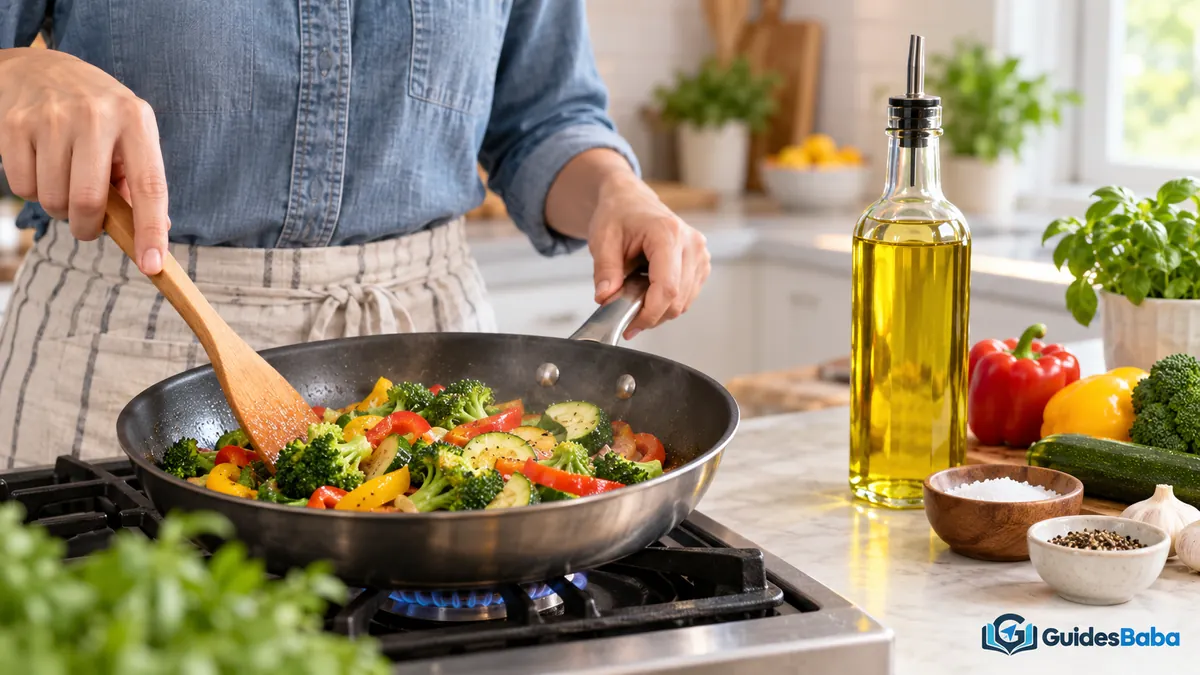
Smoke point is the key idea here. It is the heat where oil starts smoking. Past it, the oil breaks down.
A high smoke point suits frying and searing. A low smoke point suits gentle cooking. Refined oils often handle more heat. Unrefined oils carry more flavour. Smoke point guides your method choice.
Do not push an oil past its limit. Bitter smoke signals a problem. Lower the heat or change the oil. Watch the pan for the first wisps.
Types of fat in oils
Oils differ in the fats they hold. This shapes both health and stability. Three main types matter here.
Monounsaturated fats sit in olive and avocado oils. Learn more about monounsaturated fats and their role. Polyunsaturated fats appear in many seed oils. Saturated fats stay solid at room temperature. Each type behaves a little differently.
Do not fear all fat in oil. Your body needs some to work. Favour plant oils rich in unsaturated fat. Read more on polyunsaturated fats too.
Best oils for high-heat frying
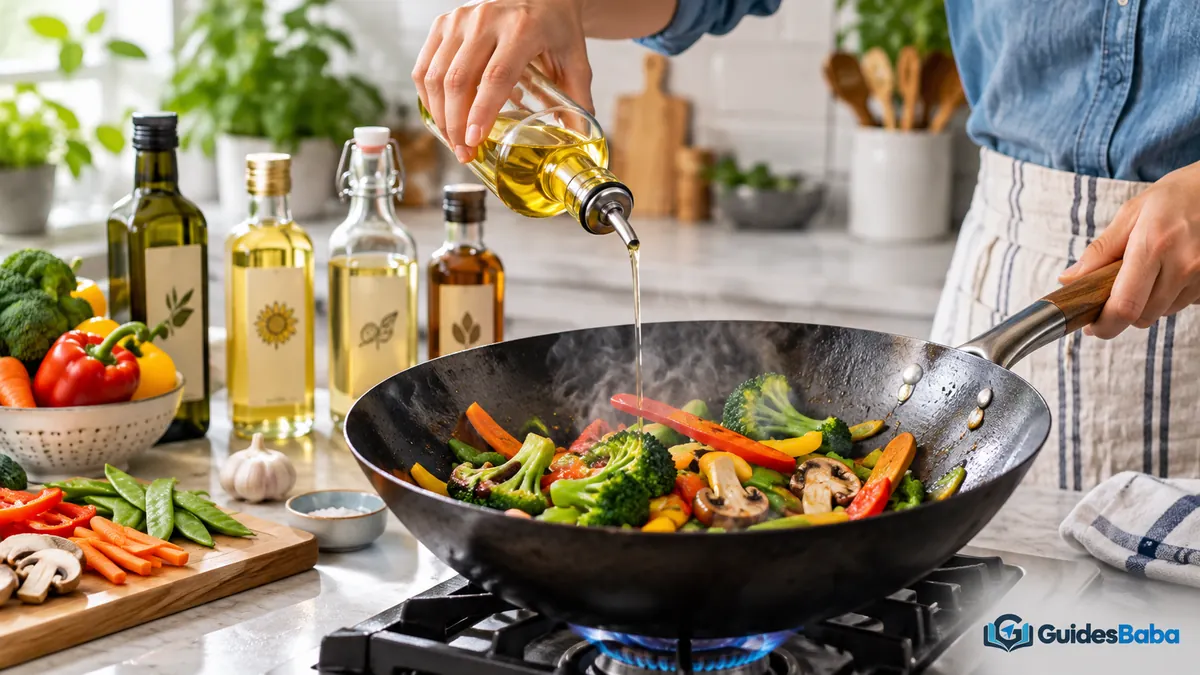
Frying and searing demand real heat. Your oil must stay stable there. A high smoke point is essential.
Refined oils suit this job well. Refined sunflower, peanut, or avocado oils work. They handle heat without smoking fast. Their flavour stays fairly neutral. These oils keep a hot pan happy.
Do not fry in delicate, unrefined oils. They smoke and turn bitter quickly. Save those for gentle uses. Keep the pan at a steady heat.

Best oils for roasting
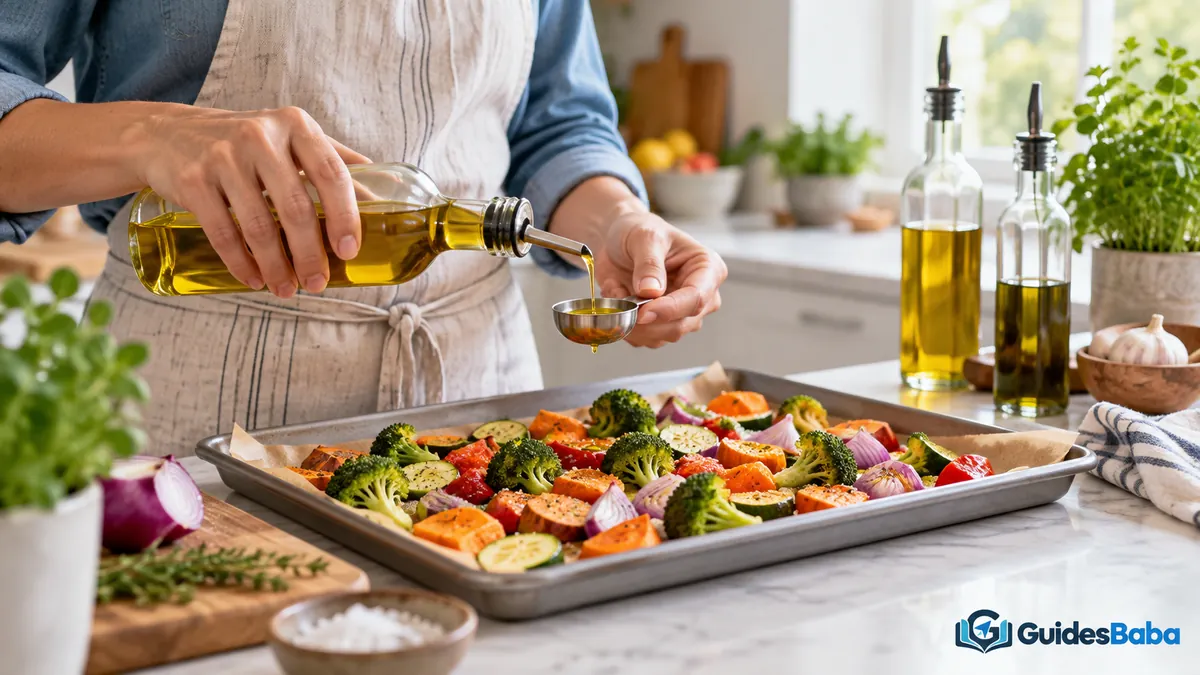
Roasting uses steady oven heat. Your oil needs decent stability. Flavour can play a bigger role here.
Olive oil suits many roasted vegetables. Its flavour deepens in the oven. Refined oils work for hotter roasting. A light coat is usually enough. Roasting rewards a sturdy, tasty oil.
Do not drown vegetables in oil. A thin coat browns them nicely. Toss to spread it evenly. Season before the tray goes in.
Best oils for sauteing
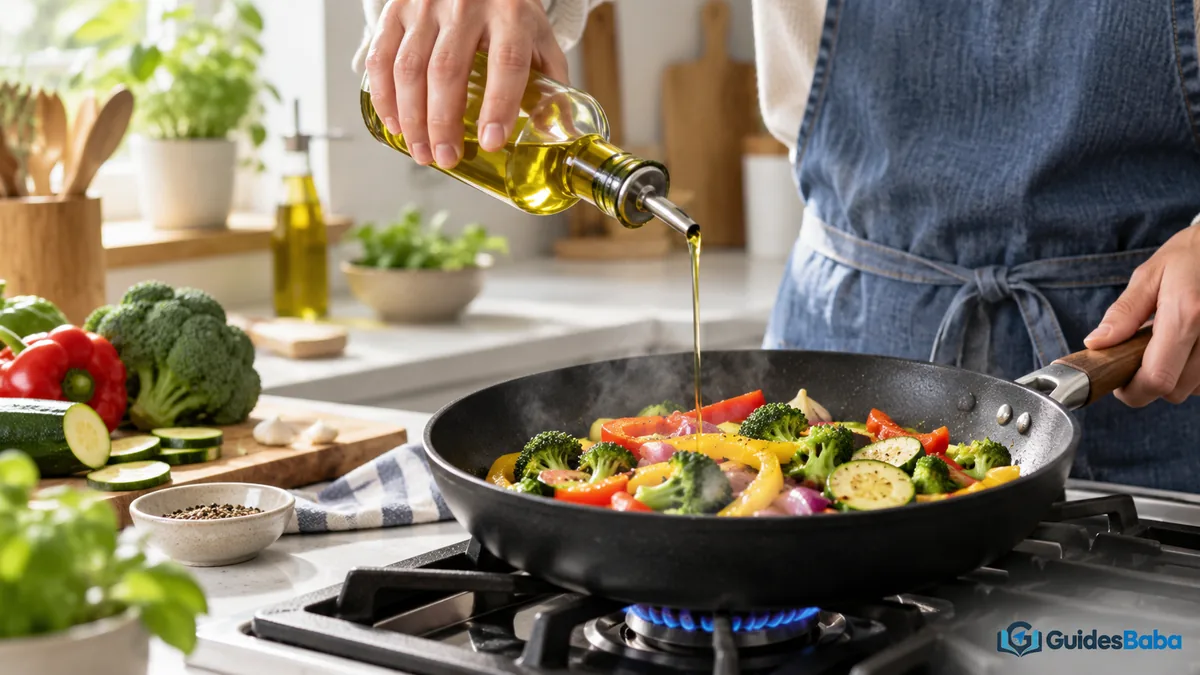
Sauteing uses medium heat and quick timing. Many oils handle this job well. You have real freedom here.
Olive oil shines for gentle sauteing. Neutral oils suit higher medium heat. A little oil coats the pan. Flavour and heat both stay manageable. Sauteing forgives most sensible choices.
Do not overheat the pan first. Add oil, then the food, at medium heat. Keep the ingredients moving well. Watch for any smoke signals.
Best oils for salad dressings
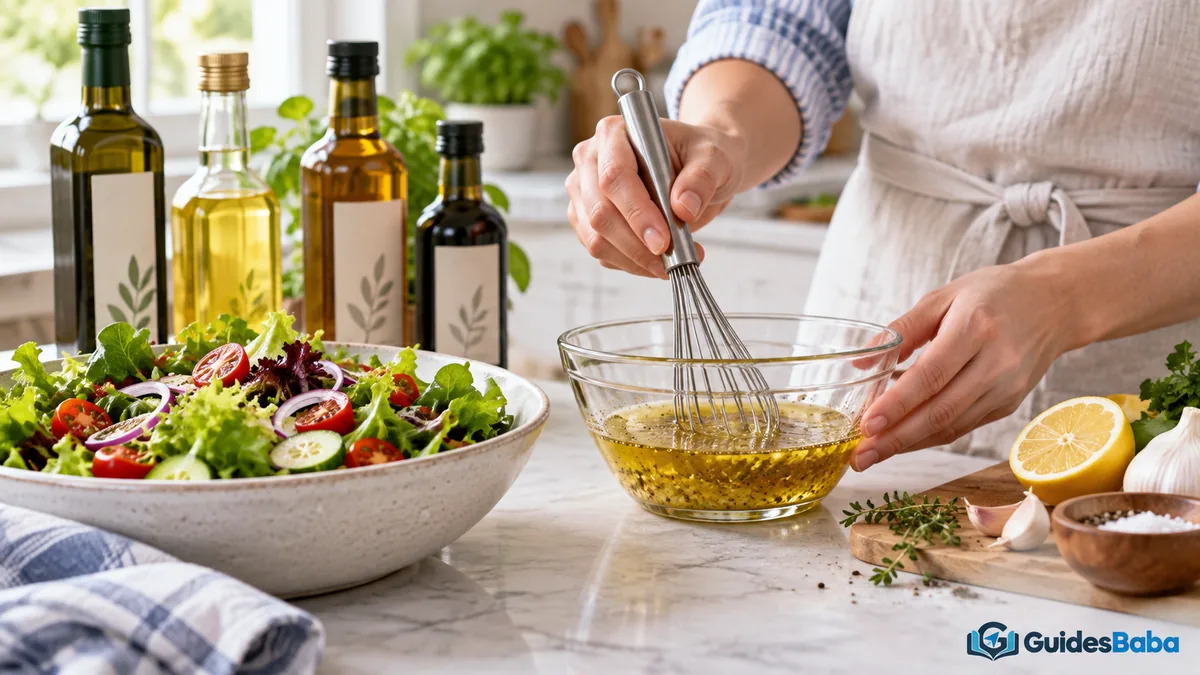
Dressings use no heat at all. Flavour becomes the main goal. Delicate oils truly shine here.
Extra virgin olive oil leads for dressings. Nut and seed oils add character. Their flavour stays fresh and bright. No heat means no smoke worry. Cold dishes suit fragile oils best.
Do not waste fine oil in a hot pan. Save it for salads and drizzles. Whisk it with acid and seasoning. A little goes a long way.
Best oils for baking
Baking often calls for a neutral oil. You want moisture without strong flavour. Mild oils fit most recipes.
Neutral vegetable oils suit cakes and muffins. They keep crumb soft and moist. Light olive oil works in some bakes. Flavour should support, not overwhelm. Baking favours a gentle, mild oil.
Do not use a strong oil in delicate cakes. Its flavour can dominate the crumb. Match the oil to the recipe. Measure carefully for the best texture.
Comparing high-heat and low-heat oils
People often ask which oil to buy. The honest comparison is high-heat versus low-heat. Each group suits certain methods.
| High-heat oils | Low-heat oils |
|---|---|
| Refined, higher smoke point | Unrefined, lower smoke point |
| Best for frying and searing | Best for dressings and drizzles |
| Often neutral in flavour | Rich, distinct flavour |
| Handle hot pans safely | Best kept off high heat |
You do not have to pick one forever. Many cooks keep both kinds handy. Use a sturdy oil for heat. Save a fine oil for finishing.
Olive oil in the kitchen
Olive oil earns its popular spot. It is versatile and widely loved. It suits many everyday methods.
Extra virgin olive oil shines cold. Regular olive oil handles medium heat. Its fat profile suits many diets. Flavour ranges from mild to peppery. Olive oil covers a lot of ground.
Do not save olive oil only for salads. It roasts and sautes very well. Choose the grade for the job. Keep a bottle within easy reach.
Neutral oils for everyday cooking
Neutral oils are quiet kitchen workhorses. They add fat without strong flavour. Many methods rely on them.
Refined sunflower and canola oils stay mild. They handle medium and high heat. Baking and frying both suit them. Their flavour steps politely aside. Neutral oils keep dishes flexible.
Do not expect flavour from neutral oils. That is their whole point. Use them where taste comes elsewhere. Add herbs and spices for character.
Storing oils properly
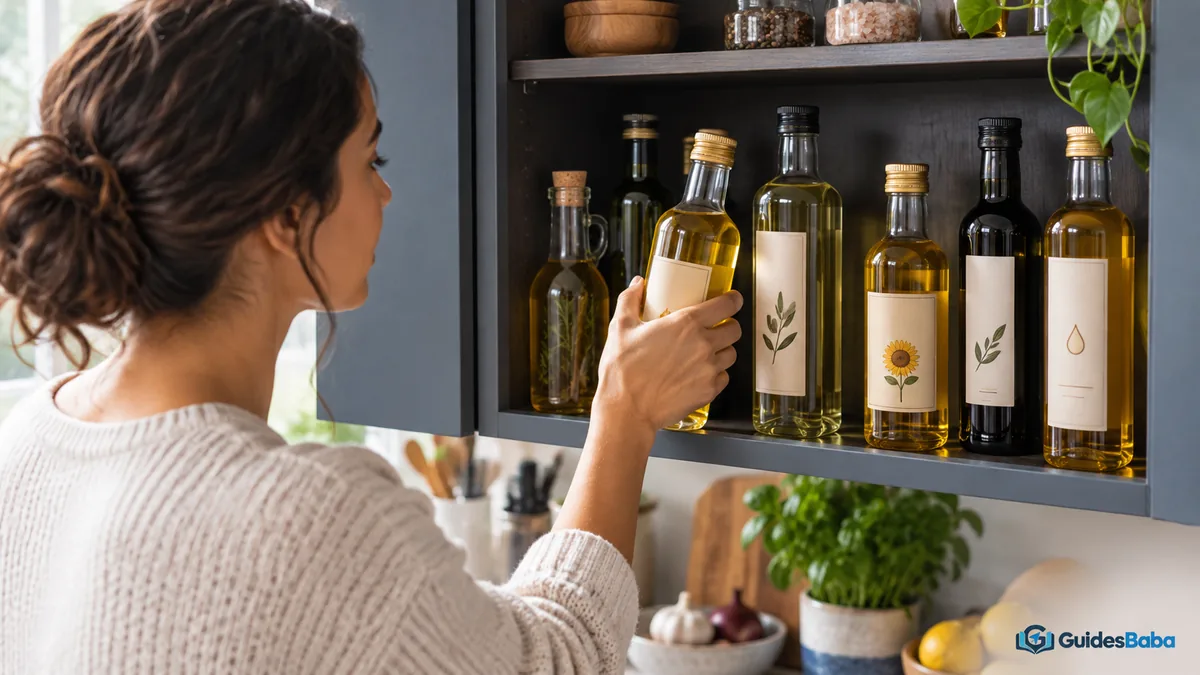
Storage protects an oil over time. Light, heat, and air spoil it. Good habits keep oil fresh.
Keep oils in a cool, dark cupboard. Seal the cap tightly after use. Buy sizes you will finish soon. Delicate oils spoil the fastest. Smart storage saves flavour and money.
Do not store oil above the stove. That warm spot speeds spoiling. Smell an oil before you use it. Toss it if it smells off.
Reusing and overheating oil
Reusing frying oil tempts many cooks. It can work within limits. Overheating remains the real danger.
Strain used oil and cool it fully. Store it away from light. Reuse it only a few times. Discard any dark or smelly oil. Careful handling keeps reused oil safe.
Do not heat oil past its smoke point. Repeated overheating breaks it down. Lower the heat if it smokes. Fresh oil always beats tired oil. Gentle heat protects both oil and food.
Common myths about cooking oils
One myth says one oil fits everything. In truth, methods need different oils. Match the oil to the heat.
Another myth claims all fat is bad. Your body needs some healthy fat. Plant oils offer useful unsaturated fat. Balance beats total avoidance. Fat has a rightful place.
Some think expensive oil is always better. Price does not equal the right fit. A fine oil wastes on high heat. Choose by method, not by cost. The best oil suits the job.
Common mistakes people make
One common mistake is overheating delicate oil. It smokes and turns bitter fast. Match the oil to the heat.
Another mistake is using too much oil. A thin coat is often plenty. Measure rather than free-pour. Excess oil adds needless calories. Small amounts still do the job.
Some people keep oil far too long. Old oil turns stale and off. Buy smaller bottles instead. Store them cool and dark. Fresh oil rewards your cooking. Little habits protect flavour.
Who might need tailored advice
General oil choices suit many healthy adults. Still, some people have special needs. Certain conditions change the picture.
Some diets limit specific fats closely. Certain oils may not fit then. Your doctor knows your situation best. Allergies also shape your safe choices.
This is not medical advice. See a professional for your personal needs. Use these oil ideas as a friendly guide. A short chat can prevent bigger problems.
Oils and a balanced diet
Oil is one piece of eating well. The whole plate matters more. Balance guides your fat choices.
Favour plant oils with unsaturated fat. Pair them with vegetables and whole grains. Try the healthiest cooking methods alongside them. Variety across fats serves you best.
Treat oil choice as a gentle framework. Adjust it as your cooking shifts. Match the oil to each method. This keeps meals rounded and tasty. A good oil does quiet work. Good habits compound over many weeks.
Frequently asked questions
What cooking oils are best for different methods?
High-heat methods need oils with high smoke points. Dressings and drizzles suit delicate oils.
What is a smoke point?
It is the heat where oil starts smoking. Past it, the oil breaks down.
Which oil is best for frying?
Use a refined oil with a high smoke point. Avocado, peanut, or sunflower oils work well.
Can I fry with olive oil?
Regular olive oil handles medium heat fine. Save extra virgin oil for cooler uses.
What oil is best for salad dressings?
Extra virgin olive oil is a great choice. Nut and seed oils add nice flavour.
Which oil suits baking?
A neutral oil keeps cakes soft and moist. It adds fat without strong flavour.
Is olive oil good for high heat?
Regular olive oil handles medium to fairly high heat. Extra virgin oil suits gentler cooking.
How should I store cooking oil?
Keep oil in a cool, dark cupboard. Seal the cap tightly after each use.
Can I reuse frying oil?
Yes, strain and cool it first. Reuse it only a few times.
How many oils do I need?
Two or three oils cover most cooking. Keep one neutral and one flavourful.
The bottom line
So what cooking oils are best for different methods? Match the oil to the heat. High-heat methods need a high smoke point. Dressings and drizzles suit delicate oils. Two or three oils cover most jobs.
Keep one neutral oil for heat. Keep one flavourful oil for finishing. Store them cool and use them fresh. Small oil choices truly add up.
For more background, read this overview of cooking oil and its uses. You can also learn about the smoke point of fats. Use trusted sources to guide your kitchen.
This is not medical advice. See a professional for your personal needs. Pick one oil today. Then build slowly from there. Your cooking will thank you.