
Study guides can cost nothing, a few dollars, or several hundred dollars. The price depends on the format, subject, exam, and support included.

Most students do not need the most expensive option. A useful guide matches the course and creates real practice. This guide explains the costs, trade-offs, and warning signs.
How much are study guides?
Digital study guides may be free or sold for a small one-time fee. Printed books often cost more because printing, shipping, editing, and answer material add expense.
Professional exam guides can cost much more. Manhattan Prep says self-study books and materials may cost $50 to $350. Courses, tutoring, and subscriptions can raise the total further.
Price alone does not measure quality. A free official guide can beat an expensive book that covers an outdated exam. The proof is in the pudding.
Did you know?
Many official exam providers publish free outlines and sample questions. Check them before buying any third-party guide.
What changes the price of a study guide?
Format is the first factor. A downloadable PDF costs less to distribute than a printed book. Interactive tools may charge more because they track progress and give feedback.
Subject depth also matters. A short classroom quiz needs less material than a professional certification exam. Larger guides require more writing, review, examples, and updates.
Brand reputation can raise the price. So can bundled videos, flashcards, quizzes, and instructor help. Every bell and whistle adds cost, but not every feature adds value.
Edition date matters too. Current guides may cost more during a new exam cycle. Older editions may become cheaper, yet outdated objectives can make them a false bargain.
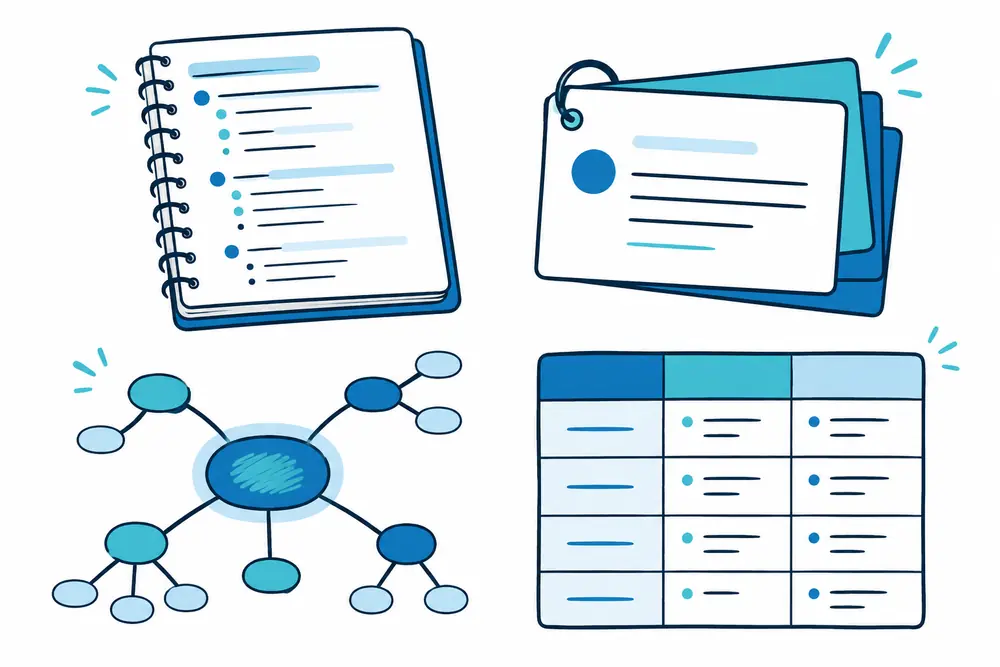
Free study guides versus paid study guides
Free guides work well when the source is official and the topic is stable. They can provide objectives, formulas, sample questions, and basic explanations without adding another bill.
Paid guides may offer deeper explanations and more practice. A good paid resource also saves time by organizing reliable material. That value matters when an exam date is close.
Neither option wins every time. Free material can feel scattered. Paid material can repeat information already available in your course. Choose the tool that closes your real gap.
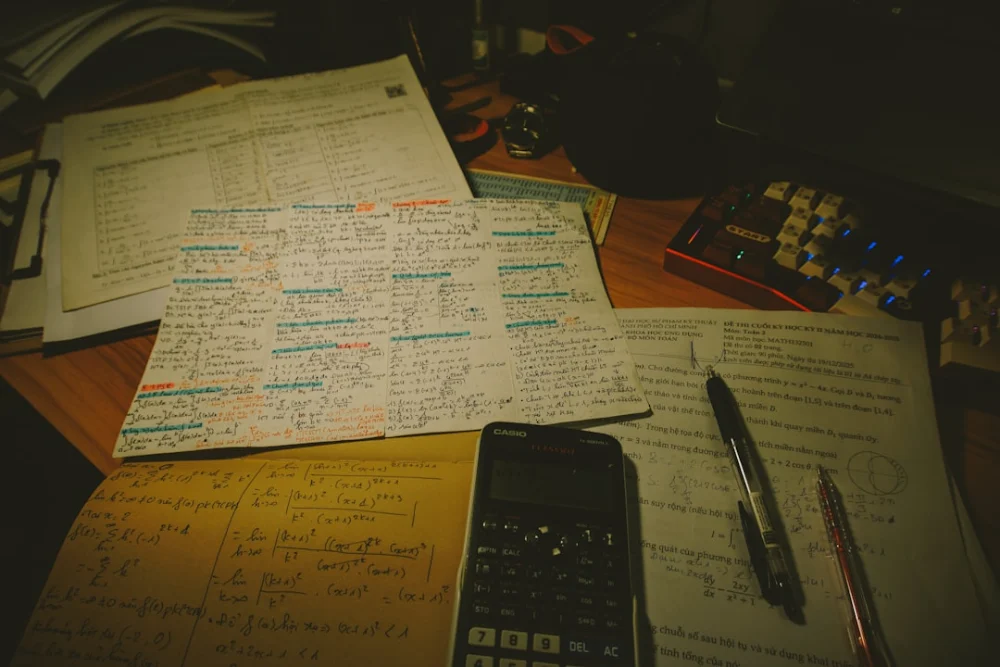
How much do digital study guides cost?
Digital guides range from free files to paid downloads and subscriptions. A download usually gives one document. A subscription may include quizzes, videos, and progress tracking.
Check what happens when access ends. Some services remove the guide after cancellation. Others let you keep exported notes. Read the fine print before spending a penny.
Also check device limits. A guide that works only inside one app may be less useful. A printable or exportable file offers more control and easier offline review.
Do not assume an AI label means better quality. AI tools can organize notes quickly, but they can also produce errors. Verify the output against course material.
How much do printed study guide books cost?
Printed books normally include chapters, examples, practice sets, and answer explanations. Larger exam books cost more than short subject summaries. Shipping and local taxes may raise the final total.
Used copies can save money. Confirm the edition before buying. A clean old book may still follow old objectives, scoring rules, or question formats.
Libraries offer another path. Search the catalog and ask about interlibrary loans. Many libraries also provide digital test-prep databases through a library card.
Our guide to study guide books explains what a printed resource should contain. Measure twice, cut once.
Why do exam study guides cost more?
Exam guides need close alignment with official objectives. Writers must update material when the test changes. Practice questions also need careful review and clear explanations.
Some packages include timed tests, analytics, video lessons, and tutoring. Those services raise the price. They can help, but only when you use them consistently.
Start with the official exam site. The New York State Department of Civil Service publishes test guides and resource booklets for available examinations. Official sources define the target.
Then fill specific gaps with a paid resource. Do not buy three complete guides when you need one set of practice questions. Penny wise can become pound foolish.
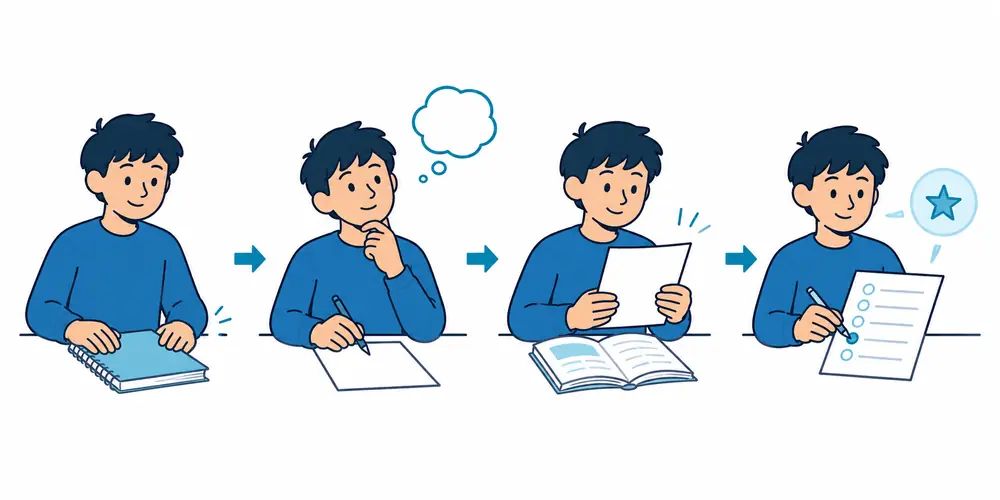
How can you tell whether a study guide is worth the price?
Begin with alignment. Compare the table of contents with your syllabus or official exam outline. Every major objective should appear at the correct level.
Next, inspect the practice. Good questions test recall, explanation, and application. Weak guides only provide definitions or questions without useful answer reasons.
Check the author and update date. Look for sample pages. A transparent publisher explains the intended learner, edition, sources, and included features.
Finally, estimate actual use. Will you complete the questions and review mistakes? An unused bargain costs more than a free resource you practise daily.
Look for answer explanations
An answer letter is not enough. A useful explanation shows why the right option works. It should also explain why tempting wrong options fail.
Explanations turn mistakes into lessons. Without them, a practice test becomes a scoreboard. A scoreboard cannot coach the next move.
Check the difficulty level
Sample questions should resemble the required thinking. Material that is far too easy creates false confidence. Material that is far too advanced wastes time.
Use course assignments or official samples as the measuring stick. Compare like with like before opening your wallet.
Hidden costs to check before buying
A low advertised price may cover only one month. Renewal charges can turn a cheap trial into a larger bill. Record the cancellation date when testing a subscription.
Some products sell practice exams separately. Others limit attempts or require access codes. Add every required item before comparing two prices.
Printing a large digital guide also costs money. Ink, paper, binding, and time add up. Decide whether you truly need a paper copy.
Watch for return restrictions on digital products. Downloads may become nonrefundable after access begins. Better safe than sorry.
How to save money on study guides
Check official resources, your school, and the public library first. Search by the exact course code or exam name. Ask a teacher which edition matches the class.
Share legal resources through allowed lending features. Do not copy or distribute copyrighted books. A library loan gives access without breaking the rules.
Use one strong guide as the base. Add free videos or explanations only for weak topics. Too many resources can scatter your attention.
Our list of free study guide sources helps you search before paying. A penny saved is a penny earned.

Is making your own study guide cheaper?
Making a guide can cost nothing when you already have notes and course material. The real cost is time. You must select, organize, check, and test the content.
That work supports learning. Choosing the important ideas forces you to process the course. A ready-made guide saves time but may not match your weak areas.
Combine both methods when useful. Use a trusted book for structure, then build a personal error list and recall questions. Two heads are better than one.
You can follow our free study guide maker process. It shows how to turn notes into a clean guide without paid software.
How to check a free guide before trusting it
Identify the publisher and update date. Compare key facts with your teacher, textbook, or official exam site. Do not trust a polished design by itself.
Check whether the guide explains sources and scope. A guide for another course level may be accurate yet wrong for your goal.
Test several questions. Look for unclear wording and broken answers. One error does not always ruin a guide, but repeated errors are a red flag.
Free user-created material needs extra care. Treat it as a starting point, not the final authority. All that glitters is not gold.
A simple study guide budget plan
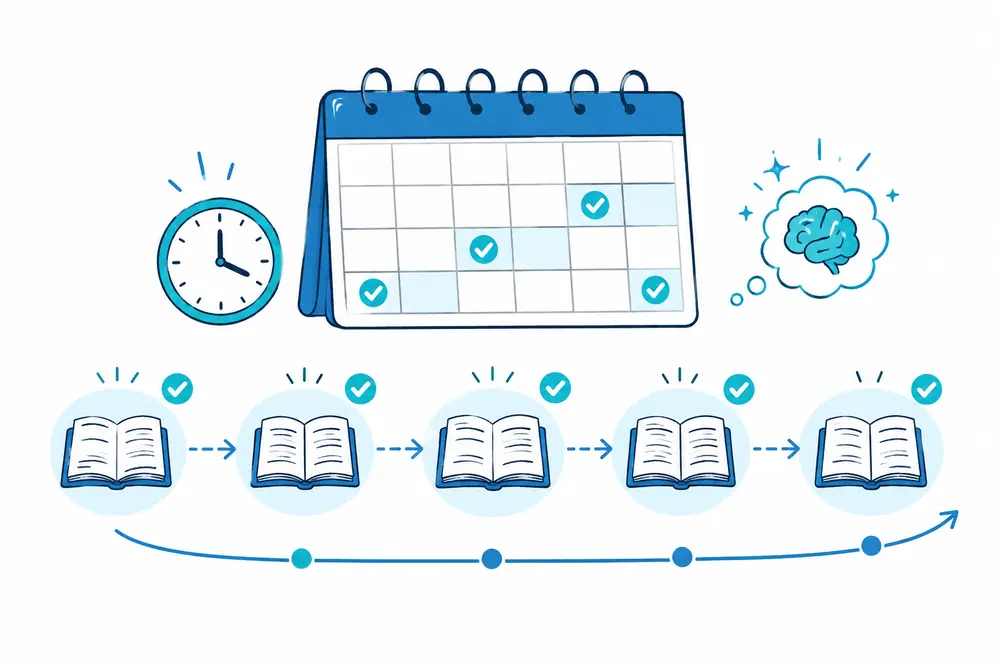
Write the learning goal and deadline first. List the free official material already available. Then identify the exact missing support.
Set a spending limit before browsing. Compare two or three resources using the same checklist. Ignore bonuses that do not solve your problem.
Choose the smallest useful purchase. Review the return and renewal rules. Put the first study session on your calendar immediately.
After one week, measure use and progress. A guide earns its place through practice. What gets measured gets managed.
Should you rent, borrow, or buy a study guide?
Borrowing works when you need a guide for one short exam cycle. A library copy also lets you inspect the full resource before deciding whether to buy.
Renting may suit expensive books used for one course. Check highlighting rules, return dates, damage charges, and whether access codes are included.
Buying makes sense when you need repeated access or plan to reuse the subject. Choose an edition that stays useful long enough to justify the price.
Digital access changes the choice. A paid subscription is closer to renting than owning. Do not count temporary access as a permanent purchase.
Are study guide bundles worth the extra cost?
Bundles may combine a book, flashcards, videos, practice exams, and tutoring. They offer value only when each part supports your plan.
List the included items and mark what you will actually use. Compare the needed items with their separate prices. Ignore bonuses that repeat free material.
Check whether every part follows the same exam version. A new book bundled with an old question bank creates a mixed target.
Choose the smallest package that closes the gap. Do not buy a toolbox when one working wrench solves the problem.
Do schools charge for study guides?
Teacher-created review sheets are often included with a course. Schools may also provide guides through portals, tutoring centers, or library subscriptions.
Some courses require commercial books or digital access codes. Confirm whether the material is required, recommended, or optional before paying.
Ask about loans, used copies, financial support, and accessible formats. Schools may have alternatives that are not shown on the bookstore page.
Keep receipts and access details. When in doubt, ask the instructor before buying. It never hurts to ask.
How to evaluate a used study guide
Check the edition, publication date, and exam version first. Compare its contents with the current syllabus or official objectives.
Inspect missing pages, heavy writing, and completed practice tests. Written answers can make honest practice difficult, though explanations may remain useful.
Confirm whether required online codes still work. Most one-time codes do not transfer with a used book.
Calculate shipping and return costs before comparing prices. A cheap listing can become expensive at checkout.
When is a study guide subscription worthwhile?
A subscription can help when you need updated questions, progress data, or several related exams. It may also fit a short, focused preparation period.
Set a reminder before renewal. Export allowed notes and results while access remains active. Do not keep paying because cancellation feels inconvenient.
Track usage during the first week. Count completed lessons, practice sets, and reviewed errors. Activity should lead to better recall, not only screen time.
Cancel tools that do not solve the stated gap. Cut your coat according to your cloth.

What should a fair refund policy explain?
A clear policy states the return window, product condition, digital-access limits, and refund method. It should also explain subscription cancellation.
Read the policy before opening sealed media or activating a code. Those actions may remove return eligibility.
Save the order confirmation and product description. Contact support quickly when the wrong edition or damaged item arrives.
Do not assume every marketplace seller follows the publisher’s rules. Check the exact seller. Forewarned is forearmed.
How to measure the return on your study guide
Record a short baseline before using the resource. Measure correct answers, explanation quality, timing, and weak domains.
Use the guide for several planned sessions. Then repeat comparable practice. Improvement should survive a gap and unfamiliar wording.
Also measure time saved. A guide may earn value by reducing search and organizing feedback, even when the information was available elsewhere.
Do not expect one purchase to create results without practice. You can lead a horse to water, but you cannot make it drink.
Include accessibility in the value calculation
A guide is not a bargain when its text, audio, navigation, or format blocks use. Check captions, transcripts, contrast, keyboard support, and adjustable text.
Digital products should work on your device and connection. Printed books should use readable type and clear diagrams.
Ask whether accessible alternatives are available before buying another version. Schools and publishers may provide approved formats.
Useful access is part of quality, not an optional extra. The best tool is the one you can actually use.
Final checklist before paying
Confirm the exact course or exam, current edition, included features, access length, device support, and refund terms. Compare the guide with free official material.
Inspect sample questions and answer explanations. Decide how many sessions you will complete during the access period.
Write the total price after shipping, taxes, printing, and renewal. Remove features you will not use from the value comparison.
Buy only when the guide solves a clear gap. Then schedule the first session before closing the order page.

Study guide cost FAQ
Are expensive study guides always better?
No. Price may reflect printing, brand, or extra features. Alignment, accuracy, practice quality, and current information matter more.
Should I buy more than one study guide?
Usually, one main guide is enough. Add another resource only when it fills a clear gap, such as practice tests or deeper explanations.
Can I return a digital study guide?
Return rules vary. Read the seller’s policy before downloading or opening access. Some digital products become nonrefundable immediately.
Where should I start before buying?
Start with the official syllabus or exam outline. Then compare free sources and your library. Buy only what remains missing.
Read next
Find trustworthy study guides for specific exams.
The bottom line
Review your choice after several sessions. Keep it when it saves time and improves practice. Replace it when better free material covers the same need.
Study guide prices vary because the products solve different problems. Begin with free official material. Pay only for accuracy, helpful teaching, or practice you will use.
Do not judge a resource by price or page count. Match it with your goal, test it, and track progress. Why pay for a library when one clear map will do?
For a wider comparison, read our guide to choosing the best study guide. It separates useful features from marketing noise.